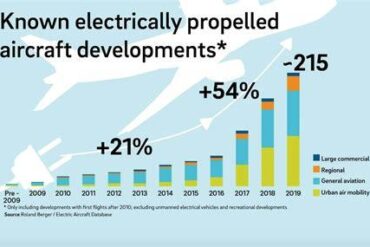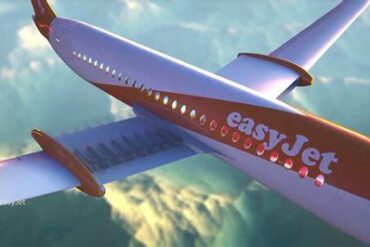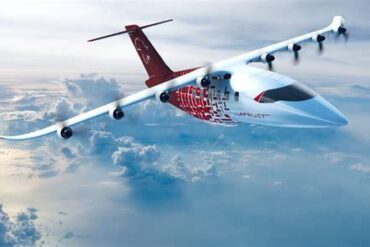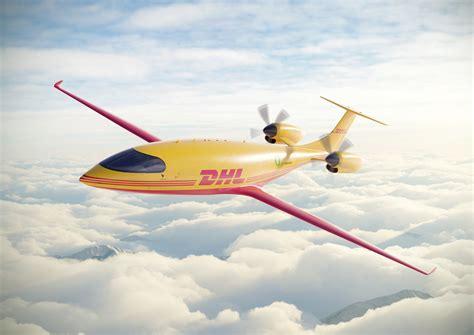
Electric aviation is no longer a futuristic concept—it is an evolving reality shaping the next generation of environmentally responsible air travel. Electric aircraft represent a pivotal shift in aviation technology, offering a cleaner, quieter, and more efficient alternative to traditional fuel-based propulsion systems. Among the leaders in this transformation is Diamond Aircraft, a company that has emerged as a trailblazer in sustainable aviation innovation.
The implications of electric propulsion in general aviation extend beyond reduced emissions. They redefine operating costs, regulatory certifications, pilot training protocols, and the infrastructure that supports air travel. This article dives deep into the world of electric aircraft, examining real-world prototypes, commercial readiness, and future viability.
The Rise of Electric Aviation: A Response to Carbon Pressures
Aviation contributes approximately 2-3% of global CO₂ emissions, making the industry a critical target for decarbonization. With growing pressure from governments, regulators, and environmental groups, the shift to electric-powered flight is gaining momentum.
Diamond Aircraft’s electric and hybrid-electric programs offer a carbon-responsible solution to address these concerns. By replacing internal combustion engines with electric motors powered by batteries or hybrid systems, the company is cutting down emissions and noise pollution significantly.
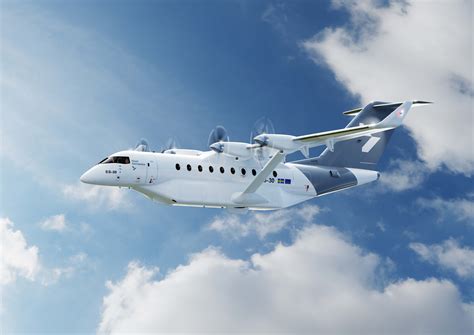
The eDA40: Redefining Pilot Training with Full Electric Power
At the forefront of Diamond’s efforts is the eDA40, the first all-electric aircraft designed for FAA/EASA CS-23 certification. Derived from the proven DA40 platform, this next-gen aircraft serves as a cost-effective, zero-emissions solution aimed primarily at the pilot training market.
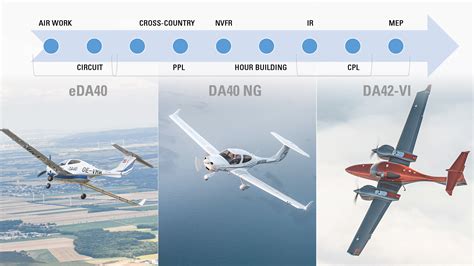
Powered entirely by electricity, the eDA40 reduces both operating costs and environmental impact. The aircraft is expected to become the first Part 23-certified electric plane, a significant step toward mainstream adoption. Key characteristics of the eDA40 include:
- A maximum cruise speed comparable to conventional trainers
- Rapid charging capabilities for high training utilization
- Significantly lower noise emissions
- Simplified maintenance due to fewer mechanical parts
Its all-electric propulsion system not only eliminates emissions but also provides smoother power delivery and a lower acoustic footprint, making it ideal for training in urban and suburban airfields where noise sensitivity is paramount.
From Hybrid Concepts to Proven Prototypes: Diamond’s Innovation Pipeline
Electric propulsion in aviation is still a relatively young field. Diamond Aircraft has taken a comprehensive, iterative approach by developing and testing several hybrid-electric prototypes to validate the technology and optimize performance.
HEMEP: The Hybrid Electric Multi-Engine Platform
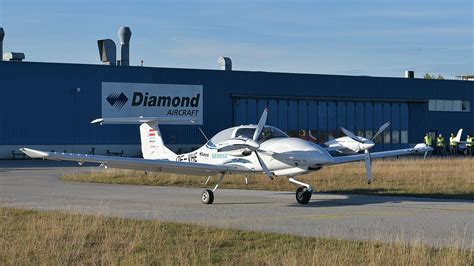
The HEMEP (Hybrid Electric Multi Engine Platform) is the world’s first hybrid-electric twin-engine aircraft. Developed in collaboration with Siemens, HEMEP integrates fuel-efficient combustion with electric power for reduced emissions and noise.
This project aims to balance the range limitations of full-electric systems with the reliability of combustion, making it suitable for longer missions or early commercial applications.
DA36 E-Star Series: Serial Hybrid Technology Evolution
One of the most groundbreaking concepts to emerge from Diamond’s lab is the DA36 E-Star series. This line of prototypes is built on a serial hybrid electric drive system, which differs from parallel systems by allowing the combustion engine to serve purely as a generator, powering an electric motor that turns the propeller.
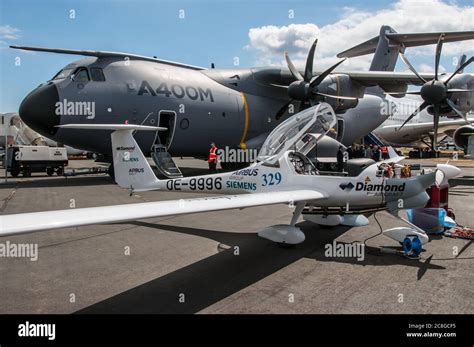
DA36 E-Star (2011)
The original DA36 E-Star debuted at the Paris Air Show in 2011. Built on the HK36 motorglider platform, it demonstrated a 25% reduction in fuel consumption and emissions compared to conventional trainers. The serial hybrid system marked a revolutionary move in aviation engineering, laying the groundwork for future iterations.
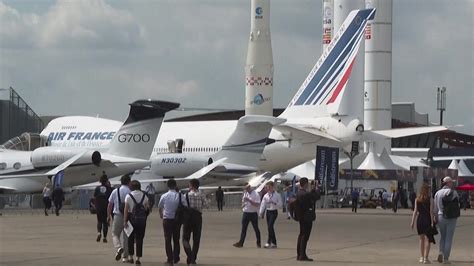
DA36 E-Star 2 (2013)
A refined version, the E-Star 2, showcased improved payload capacity and propulsion efficiency, emphasizing commercial viability. Siemens, EADS (now Airbus), and Diamond Aircraft validated that serial hybrid technology could scale to real-world aviation needs.

Environmental and Economic Benefits of Electric Aviation
The environmental advantages of electric aircraft are clear—zero tailpipe emissions, drastically reduced noise pollution, and lower lifecycle carbon footprint. However, the economic benefits are equally compelling:
- Lower fuel costs: Electricity is significantly cheaper and more price-stable than aviation gasoline.
- Reduced maintenance: Electric motors have fewer moving parts and wear points.
- Simplified training: Electric trainers can streamline instructional routines due to smoother power transitions.
- Airport compatibility: Quieter engines allow for extended operation in noise-restricted zones.
These benefits not only support airline and training school profitability but also pave the way for regulatory and societal acceptance of electric aircraft in urban air mobility programs.
Challenges and Technological Limitations
Despite promising developments, electric aviation faces several technical hurdles:
- Battery density limitations: Current lithium-ion batteries offer significantly lower energy-to-weight ratios compared to fossil fuels, limiting flight duration.
- Charging infrastructure: High-voltage fast-charging stations must be installed at airports.
- Thermal management: Battery systems require advanced cooling solutions, especially during climb and fast charge cycles.
- Certification pathways: Regulatory frameworks are still adapting to support electric propulsion systems.
However, ongoing research into solid-state batteries, improved thermal systems, and battery management software is actively addressing these gaps. Partnerships between aviation firms and tech companies are accelerating progress on this front.
Commercial Viability and Market Readiness
The transition to electric aircraft is expected to occur in phases, beginning with short-haul and training flights, then expanding to regional and eventually intercontinental routes as battery technologies evolve.
Diamond Aircraft’s current platforms, particularly the eDA40 and DA36 E-Star 2, demonstrate clear market readiness for training applications. Furthermore, hybrid-electric platforms like HEMEP allow for longer-range missions without full dependence on fossil fuels, making them attractive for early-stage commercial operators.
Governments and regulatory agencies are beginning to offer subsidies, grants, and tax incentives to organizations investing in electric aviation infrastructure, further stimulating market uptake.
Electric Aviation in the Broader Sustainability Ecosystem
The movement toward electric flight aligns closely with global climate objectives such as the Paris Agreement and the EU Green Deal. With aviation decarbonization becoming a national policy goal for many countries, aircraft manufacturers and training schools that invest early in electric platforms position themselves ahead of future mandates.
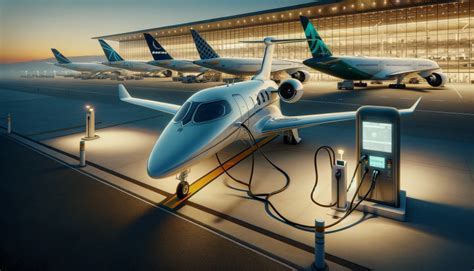
Electric aircraft also integrate well with renewable energy grids, allowing airports to potentially operate in closed-loop systems using solar or wind energy to charge planes, further reducing carbon footprint.
Conclusion: Electric Aircraft Are Not the Future—They Are the Present
As demonstrated by the eDA40, DA36 E-Star, and HEMEP, electric aviation is no longer experimental. It is now entering mainstream aviation markets, particularly within general aviation and pilot training sectors. While full electrification of commercial airliners is still several years away, the groundwork laid by companies like Diamond Aircraft is shaping the roadmap to get there.
The economic advantages, environmental imperatives, and technological innovations all converge to make electric aircraft the defining solution for a more sustainable aviation ecosystem.
Those investing in this movement now—whether through technology, training, or infrastructure—are not simply preparing for the future; they are actively flying into it.