Aircraft carriers remain the most powerful instruments of naval force projection ever built. At the center of their combat effectiveness lies a piece of technology that rarely receives public attention but determines how quickly and efficiently aircraft can enter battle: the catapult system. For decades, steam catapults dominated carrier aviation, launching thousands of aircraft from American and British warships. Today, however, a new generation of electromagnetic launch systems is challenging that legacy and reshaping the future of naval warfare.
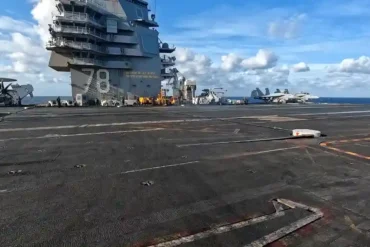
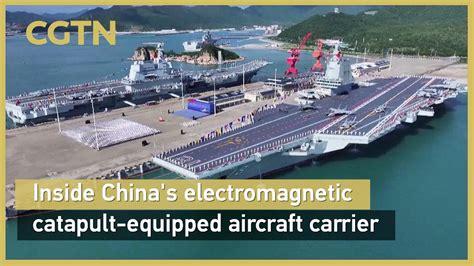
The debate over which aircraft carrier catapult is more effective—steam or electric—is no longer theoretical. The United States Navy has already introduced the Electromagnetic Aircraft Launch System (EMALS) aboard the USS Gerald R. Ford, while China has adopted similar technology on its newest carrier, Fujian. The competition between these systems has become a critical factor in determining the operational power of the world’s leading naval fleets.
At first glance, electric catapults appear to be the clear winner. They promise greater efficiency, improved aircraft handling, higher launch rates, and support for future aircraft designs. Yet operational experience has revealed reliability concerns that continue to complicate the picture. As a result, the answer depends not only on technical performance but also on real-world dependability.
The Evolution of Aircraft Carrier Catapult Technology
Aircraft carriers require catapult systems because modern naval aircraft are often too heavy to achieve takeoff speed within the limited length of a carrier flight deck. Since the 1950s, steam catapults have solved this challenge by using pressurized steam generated by the ship’s propulsion systems.
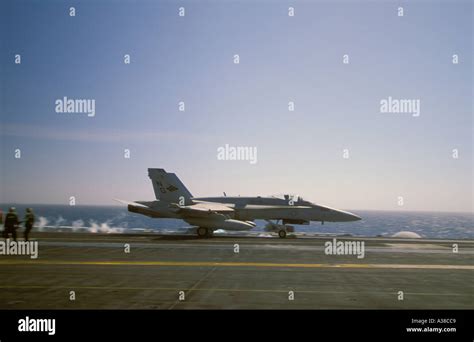
The process is remarkably powerful. Steam pressure drives a piston through a track beneath the flight deck, accelerating an attached aircraft from a standstill to flying speed within seconds. The technology proved reliable, robust, and capable of supporting generations of naval aircraft ranging from fighters to airborne early-warning platforms.
For decades, steam catapults represented the gold standard of carrier aviation. They helped establish the dominance of U.S. carrier strike groups during the Cold War and beyond, providing the launch capability necessary for global military operations.
However, as aircraft became heavier and military planners envisioned fleets containing both manned aircraft and drones, limitations in steam technology became increasingly apparent. Engineers began searching for a more flexible and efficient solution.
How Electromagnetic Catapults Work
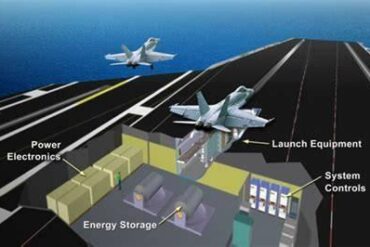
The Electromagnetic Aircraft Launch System replaces steam pressure with electromagnetic force. Instead of pushing a piston using steam, EMALS employs linear induction motors that generate magnetic fields capable of accelerating an aircraft down the launch track.
The result is a launch system that operates with exceptional precision. Rather than delivering a fixed amount of force, EMALS continuously adjusts power output throughout the launch sequence. This enables the system to tailor acceleration to the exact weight and requirements of each aircraft.
Such precision creates significant operational advantages. Heavy strike aircraft, intelligence platforms, refueling aircraft, and lightweight unmanned systems can all be launched using optimized force profiles. The technology effectively expands the range of aircraft that can operate from a carrier deck without extensive recalibration.
Modern electromagnetic catapults can accelerate aircraft weighing up to approximately 100,000 pounds to operational takeoff speeds exceeding 150 miles per hour within a launch track of roughly 300 feet. This capability represents a major leap in launch flexibility compared with traditional steam systems.
Why EMALS Offers Superior Performance on Paper
From a purely technical standpoint, electromagnetic catapults outperform steam systems in several critical categories.
The most important advantage is precision control. Steam catapults rely on pressure settings that can be difficult to optimize for aircraft with dramatically different weights. EMALS uses sophisticated feedback systems that continuously adjust acceleration, reducing stress on airframes and onboard equipment.
Reduced stress translates directly into operational benefits. Aircraft launched via electromagnetic systems experience smoother acceleration, potentially extending service life and lowering maintenance requirements. Considering that modern naval aircraft often cost tens or even hundreds of millions of dollars, reducing structural fatigue represents a significant financial and operational advantage.
Another major benefit involves sortie generation. EMALS can recharge rapidly using electrical power supplied by the carrier’s reactors. Recharge times of approximately 45 seconds enable carriers to prepare for subsequent launches more quickly than many traditional steam configurations.
This capability supports one of the central goals behind the Ford-class carrier program: generating more combat sorties during high-intensity operations. Although projected performance improvements have not yet been fully validated in operational conditions, the underlying design offers considerable potential for increasing combat effectiveness.
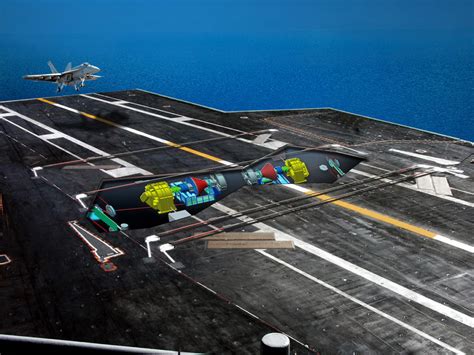
Electromagnetic systems also reduce logistical burdens. Steam catapults require extensive piping, water management systems, and maintenance infrastructure. EMALS eliminates many of these requirements, freeing valuable space while reducing manpower demands.
The Reliability Problem That Refuses to Disappear
Despite impressive technical advantages, EMALS faces a challenge that continues to dominate discussions within naval circles: reliability.
Since sea trials began aboard the USS Gerald R. Ford, the electromagnetic launch system has experienced recurring hardware and software issues. These problems have occasionally disrupted flight operations and required specialized technical support to restore functionality.
Military testing reports have repeatedly highlighted concerns regarding system reliability. Even after engineering modifications and software updates, improvements have not always matched expectations. As a result, some defense analysts argue that EMALS remains a technology whose operational promise exceeds its current maturity.
Reliability is particularly important for aircraft carriers because they often operate thousands of miles from support facilities. A launch system that functions brilliantly under ideal conditions but struggles during extended deployments can become a significant operational liability.
Steam catapults, by contrast, benefit from decades of operational refinement. Their components, maintenance procedures, and failure modes are thoroughly understood by naval personnel. While older and less sophisticated, they possess a proven track record developed through millions of successful launches.
This difference explains why some policymakers and military observers continue advocating for steam technology despite the advantages offered by electromagnetic systems.
China’s Adoption of Electric Catapults Changes the Strategic Equation
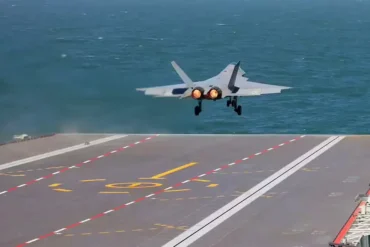
China’s decision to equip the aircraft carrier Fujian with electromagnetic catapults demonstrates the strategic importance of the technology.
The People’s Liberation Army Navy has rapidly expanded its carrier capabilities, and the adoption of EMALS-style launch systems marks a substantial improvement over earlier ski-jump carrier designs. Electromagnetic catapults allow heavier aircraft to operate from Chinese carriers, significantly expanding mission flexibility and combat reach.
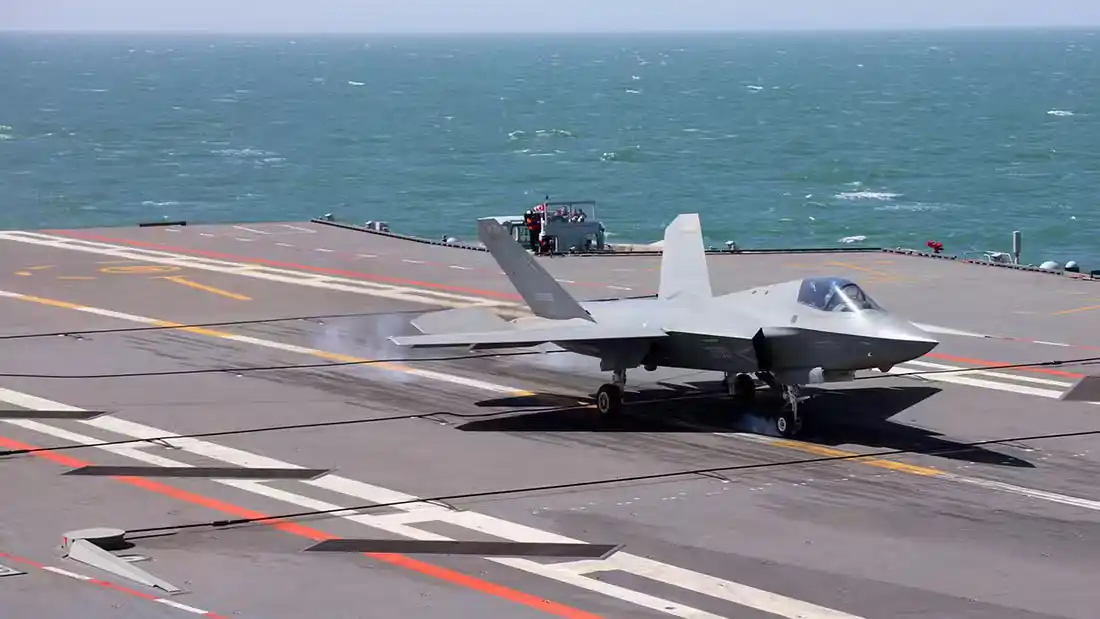
Military analysts expect future Chinese carriers to feature multiple electromagnetic catapults comparable to those installed aboard the USS Gerald R. Ford. This development highlights a broader reality: major naval powers view electromagnetic launch systems as the future of carrier aviation.
The strategic implications are considerable. If rival navies successfully mature electric launch technology while others retreat to older systems, long-term competitive advantages could shift dramatically.
Final Verdict: Steam Wins Today, Electric Owns the Future
Determining which aircraft carrier catapult is more effective depends on the criteria being measured.
If reliability, operational familiarity, and proven performance are the priorities, steam catapults remain the superior choice today. Their decades-long service history and dependable operation make them a trusted component of carrier warfare.
If performance potential, flexibility, launch efficiency, aircraft compatibility, and future growth are the priorities, electromagnetic catapults are clearly superior. They represent a transformative advancement capable of supporting next-generation aircraft, unmanned systems, and higher operational tempos.
The current reality is that steam catapults excel in practical dependability, while electric catapults lead in technological capability. As engineering improvements continue and reliability targets are achieved, the balance is likely to shift increasingly toward electromagnetic systems. The future of carrier aviation is almost certainly electric; the only remaining question is how quickly navies can make that future as dependable as the steam-powered past.