Small aircraft leasing has emerged as a strategic option for individuals and companies seeking access to private aviation without the substantial financial commitment of full ownership. As the aviation market becomes more flexible, leasing enables access to high-performance aircraft with reduced capital exposure, predictable costs, and scalable usage—ideal for businesses and personal flyers alike.
Understanding the Small Aircraft Leasing Landscape
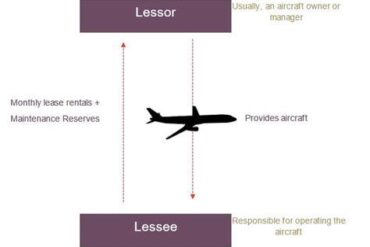
Small aircraft leasing typically falls under two core structures: wet leases and dry leases. In a wet lease, the lessor provides the aircraft along with at least one crew member and assumes operational control. This is common in commercial airline contexts but less frequent in general aviation. Dry leases, on the other hand, are more applicable to small aircraft where only the aircraft is provided, and the lessee supplies crew, maintenance, and insurance.
Dry leases offer flexibility for small operators, flight schools, and private individuals who need access to aircraft without a full ownership commitment. Wet leases are advantageous for startup charter services or temporary expansions.
Business Aviation: Leasing Versus Ownership
When evaluating business aviation strategies, leasing often emerges as the preferred alternative to ownership, especially for companies seeking operational efficiency without asset-heavy balance sheets. Leasing enables:
-
Access to business aircraft without upfront acquisition costs
-
Avoidance of depreciation and resale risk
-
Tax-deductible lease payments in some jurisdictions
-
Simplified upgrades to newer models
While some corporations still favor ownership for tax deductions tied to depreciation, the unpredictable nature of aircraft resale values has made leasing increasingly popular for cost-sensitive operations.
The Economics of Small Aircraft Ownership
Despite the allure of full ownership, the cost structure of operating a small aircraft can quickly become prohibitive. Even budget-friendly aircraft like the Cessna 152 or Piper Cherokee come with high maintenance, registration, and insurance costs:
-
Maintenance: Annual maintenance for a small aircraft averages $2,000–$5,000. Regulatory compliance under FAA FARs adds to labor and inspection frequency.
-
Hangar or tie-down costs: Storage can cost $150–$1,000 per month depending on location.
-
Insurance: Aircraft insurance premiums vary widely but can easily reach $1,500–$3,000 annually.
-
Fuel and operating expenses: Based on usage, these include fuel, oil, navigation fees, and more.
Registration and Legal Considerations
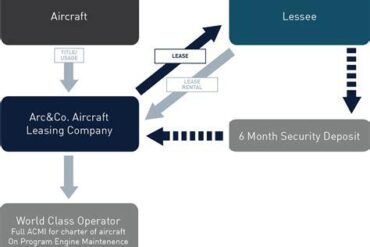
Aircraft registration isn’t a one-time formality—it’s a process governed by the FAA and often involves legal due diligence, especially when a lease or loan structure is involved. Financing entities typically record aircraft mortgages with the FAA Civil Aircraft Registry and, for international usage, on the International Registry of Mobile Assets.
Ownership structures also play a role in liability exposure. Leasing mitigates some legal complexity, transferring the aircraft’s operational and regulatory obligations to the lessee while maintaining ownership with the lessor.
Why Lease a Small Aircraft?
The core reasons for leasing instead of buying a small airplane include:
-
Lower capital investment
-
Short-term or seasonal use
-
Try-before-you-buy strategies
-
Tax-efficiency for business purposes
For example, a finance lease might include a purchase option, enabling the lessee to eventually acquire the aircraft at the end of the lease term. Such agreements typically require lease payments totaling up to 90% of the aircraft’s value and span over 75% of its useful life.
Selecting the Right Leasing Partner
Working with a reputable fixed-base operator (FBO) or licensed dealer is critical. These partners provide not only the aircraft but also maintenance support, hangarage, and training in some cases. A credible partner will help mitigate residual value risk, ensuring you aren’t overpaying or stuck with depreciating assets.
Key evaluation criteria include:
-
Aircraft age and maintenance history
-
Lease term flexibility
-
Fuel and servicing provisions
-
Return conditions and penalties
-
Insurance and liability clauses
Cost Breakdown: Hourly and Monthly Lease Rates
The cost of leasing a small aircraft varies by model, region, and included services. Below are examples based on common aircraft models:
Hourly Rates (Full Tank & Newer Model)
-
Cessna 152: $90–$120
-
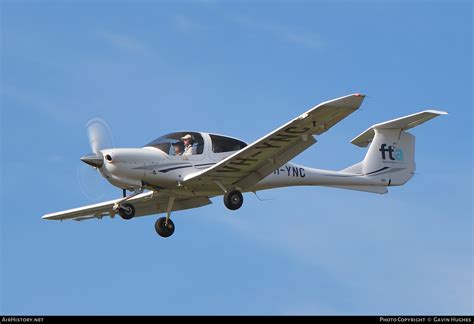
Diamond DA40 “Star”: $152–$179
-
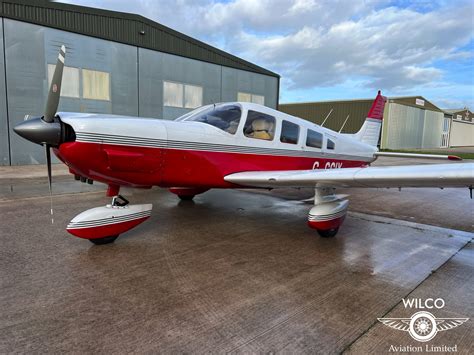
Piper PA32 “Cherokee Six”: $220–$250
Monthly Projections (Based on 4.2 hours of usage/month)
-
Cessna 152: $378–$504
-
Diamond DA40: $638–$752
-
Piper PA32: $924–$1,050
These figures highlight how leasing makes entry-level aviation far more attainable, especially for recreational flyers or private pilots logging fewer than 50 hours annually.
Can I Lease a Cessna 172?
Absolutely. The Cessna 172 Skyhawk remains one of the most widely available leased aircraft globally due to its popularity in training environments. It offers simplicity, durability, and high demand resale value.
The average lease cost ranges between $125 and $159 per hour, with some FBOs offering bulk hour discounts, flight club memberships, or training packages bundled into the lease.
Is Aircraft Leasing Profitable?
Aircraft leasing is a booming sector in the aviation industry. As of 2021, over 51% of the global aircraft fleet was leased, according to Statista. Small aircraft leasing benefits from:
-
Flight school demand surge
-
Post-pandemic private travel boom
-
Corporate aviation adoption for time-efficiency
However, geopolitical instability and market disruptions—like the conflict in Ukraine—temporarily impact lease returns in specific regions. Nonetheless, leasing continues to be a resilient and scalable business model, with market projections nearing $300 billion by 2029.
Final Thoughts
Small aircraft leasing offers an elegant solution for accessing aviation without assuming the financial and regulatory complexities of ownership. Whether for flight training, business travel, or personal exploration, leasing provides flexibility, scalability, and financial prudence. As the general aviation sector grows in accessibility and demand, leasing is no longer a secondary option—it is an intelligent primary choice.
Frequently Asked Questions
What are the main types of small aircraft leases?
There are two primary lease types: wet lease, which includes crew and operational control, and dry lease, where only the aircraft is provided. For small aircraft, dry leases are the most common due to their simplicity and cost-effectiveness.
How much does it cost to lease a small airplane monthly?
Monthly costs vary depending on the aircraft type and usage. For light aircraft like the Cessna 152, monthly costs range from $378 to $504, while higher-end models like the Piper PA32 range from $924 to $1,050.
Can leasing help reduce tax liability?
Yes. In many cases, lease payments can be deducted as a business expense, reducing taxable income. However, tax benefits depend on jurisdiction and lease structure. Always consult with a qualified aviation tax advisor.