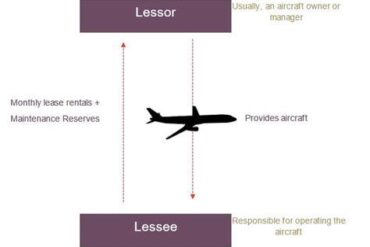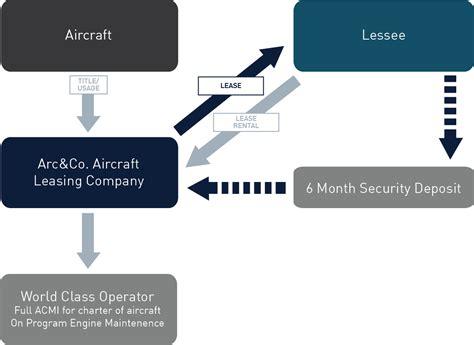
The aircraft leasing industry has transformed global aviation by providing airlines with unprecedented access to modern fleets without the financial burden of direct ownership. This dynamic sector has grown from a niche financing model in the 1960s to a core pillar of commercial aviation, facilitating fleet flexibility, accelerating aircraft acquisition, and enabling carriers to adapt rapidly to economic and geopolitical shifts.
Early Foundations and the Jet Age
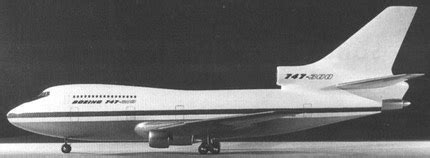
The 1960s marked the dawn of the jet age, a period characterized by the introduction of large, long-haul aircraft such as the Boeing 747 and Lockheed L-1011 TriStar. These advanced aircraft revolutionized air travel but came with escalating acquisition costs that strained airline budgets. Amid this backdrop, leasing emerged as a strategic alternative.
Visionaries like Steven Udvar-Hazy, co-founder of ILFC (International Lease Finance Corporation), recognized the market potential. Alongside early players like GATX Capital and Guinness Peat Aviation (GPA), these pioneers laid the groundwork for an industry that would eventually rival aircraft manufacturers in influence.
Deregulation and the Acceleration of Leasing
The late 1970s ushered in airline deregulation, particularly in the United States, breaking down restrictive routes and opening competitive markets. This liberalization led to a surge in new airlines, each requiring fast access to aircraft. Leasing firms stepped in with timely solutions, providing carriers the ability to expand without long procurement delays or massive capital outlays.
Between 1979 and 1989, ILFC expanded its fleet from 13 to 79 aircraft, while GPA grew from 6 to 152 aircraft, underscoring the explosive growth fueled by leasing models. Airlines benefited from:
-
Shorter lead times for aircraft delivery
-
Flexible lease terms that supported fleet optimization
-
Lower upfront capital requirements
This era marked the beginning of leasing as not just a financial tool, but a strategic growth enabler.
Influential Deals and Market Shapers
The rise of aircraft leasing was also driven by key personalities and pivotal transactions. In the 1980s and 1990s, leaders like Michael Goldberg and Peter Pfendler brought innovation to the sector, while deals such as George Batchelor’s DC-10 acquisition for Air Florida highlighted the growing sophistication of lease financing.
These transactions demonstrated the lessors’ ability to assume and manage residual value risk, accurately forecast secondary market demand, and capitalize on cyclical market trends. It was during this period that leasing evolved from transactional to strategic — lessors became partners in airline expansion plans, not just financiers.

The Maturation of the Market (1990s–2000s)
By the 1990s, leasing had matured into a core component of airline strategy. The percentage of leased aircraft within global fleets grew to 15% by 1990, reaching 25% by the year 2000. The boom was supported by several factors:
-
Liberalization of global aviation markets
-
Increased standardization of leasing practices
-
A rising need for fleet flexibility amid rising fuel prices
A crucial turning point came with the Cape Town Treaty in 2006, which standardized repossession laws across participating nations. This legal framework reduced risk for lessors and enhanced cross-border enforcement, encouraging further global investment into aircraft leasing.
Rise of the Mega-Lessors and Consolidation Trends
The early 2000s witnessed the emergence of mega-lessors. Firms like AerCap, SMBC Aviation Capital, and BBAM accumulated enormous fleets and leveraged economies of scale to offer lower lease rates and customized service packages. The global leasing footprint expanded rapidly, comprising 39% of the total commercial aircraft fleet by 2015.
These firms adopted sophisticated risk models, diversified portfolios across aircraft types and regions, and developed sale-and-leaseback arrangements to attract major airlines seeking capital efficiency. The consolidation of the industry also helped stabilize lease rates and provided greater asset liquidity in secondary markets.

Financial Innovation and Risk Management
Aircraft leasing’s resilience lies in its advanced risk management and financing structures. Lessors expertly navigate:
-
Residual value risk, by tracking market demand and setting conservative depreciation models
-
Credit risk, by diversifying lessee portfolios across geographies and business models
-
Interest rate exposure, through hedging instruments and dynamic refinancing
Furthermore, the rise of asset-backed securities (ABS) and aviation finance syndications allowed lessors to scale while managing balance sheet risk. These innovations increased investor interest in aviation assets, improving access to capital markets and expanding fleet growth opportunities.
Challenges in a Shifting Global Landscape
Despite robust foundations, the aircraft leasing industry faces evolving challenges. Among them:
-
Fuel price volatility and its impact on aircraft utilization patterns
-
Rising inflation and interest rates, which may affect lease rate factors
-
Technological disruption, particularly from new-generation aircraft like the Airbus A321XLR or Boeing 737 MAX, demanding continuous portfolio refresh
-
Geopolitical instability, which complicates repossession, valuation, and lessee risk in certain regions
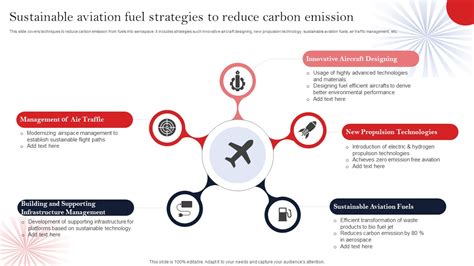
Environmental pressures also loom large. As governments and regulators enforce emissions targets, lessors must prepare for fleet transitions toward sustainable aviation fuels (SAF) and electric or hybrid aircraft.
Future Outlook and Strategic Adaptations
Looking forward, the aircraft leasing industry is well-positioned to remain a cornerstone of aviation finance, but it must adapt strategically. We anticipate several key trends:
-
Increased demand from low-cost carriers (LCCs) in emerging markets like Southeast Asia and Sub-Saharan Africa
-
Greater integration of digital fleet management platforms to enhance aircraft tracking, utilization forecasting, and predictive maintenance
-
A surge in ESG-linked financing, where lease terms are tied to carbon emissions performance
Mega-lessors are likely to invest in next-generation aircraft portfolios, especially those aligned with green aviation goals, while also exploring blockchain applications for transparent asset tracking.
Conclusion
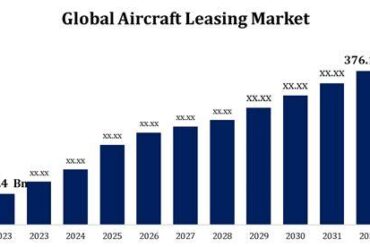
The aircraft leasing industry has evolved from its humble roots in the 1960s into a multi-billion-dollar global enterprise, responsible for nearly half of all commercial aircraft in operation today. With a track record of financial innovation, resilience, and global reach, the sector remains indispensable to airlines navigating capital constraints, route volatility, and technological disruption.
To remain competitive, lessors must embrace sustainability, digitization, and regulatory foresight, ensuring that they continue to offer value not just in financing, but in shaping the future of air transport.
FAQs
What percentage of aircraft are currently leased globally?
As of recent estimates, approximately 50% of the global commercial fleet is leased, highlighting the critical role leasing plays in aviation finance and operations.
Who are the largest aircraft lessors in the world?
Major players include AerCap, SMBC Aviation Capital, Air Lease Corporation, and Avolon, each managing fleets ranging from hundreds to over a thousand aircraft across global lessees.
What is the impact of the Cape Town Treaty on aircraft leasing?
The Cape Town Treaty has significantly improved legal certainty for lessors, especially regarding asset repossession and security rights enforcement across borders, thus reducing risk and encouraging cross-border leasing transactions.