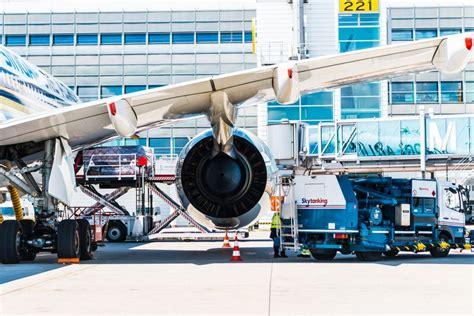
The San Francisco Bay Area, a bustling hub of innovation and commerce, is also a critical nexus for national and international air travel. Behind the scenes of every departure and arrival, a dedicated team ensures aircraft are ready for their journeys, and among the most vital of these roles is the aircraft fueler. These professionals are the unsung heroes who manage the precise and safe refueling of aircraft, a task essential for the seamless operation of the aviation industry. For individuals seeking a dynamic, hands-on career with significant responsibility, exploring aircraft fueler jobs and related employment opportunities in the San Francisco Bay Area, CA, can lead to a rewarding path within a constantly evolving sector. The demand for skilled fuelers remains robust, driven by the sheer volume of flights handled by major airports like San Francisco International (SFO), Oakland International (OAK), and Norman Y. Mineta San José International (SJC), as well as numerous general aviation airfields scattered throughout the region.
This article delves into the specifics of aircraft fueler jobs in the San Francisco Bay Area, examining the responsibilities, the unique advantages of working in this vibrant Californian region, key employers, salary expectations, and the qualifications needed to embark on this exciting career. We will also explore the day-to-day realities of the job, its challenges and rewards, and the future outlook for aviation jobs in this specialized field. Whether you are new to the workforce or considering a career change, the world of aircraft fueling offers a gateway to the heart of aviation operations.
The Critical Role: What Exactly Does an Aircraft Fueler Do?
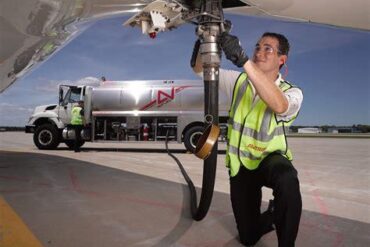
An aircraft fueler, often referred to as a line service technician or ramp agent with fueling responsibilities, performs a series of critical tasks centered around the safe and efficient refueling and defueling of various types of aircraft. This is far more than simply pumping fuel; it’s a meticulous process governed by stringent safety regulations and operational protocols. Responsibilities typically include conducting pre-fueling inspections of fueling vehicles and equipment, ensuring the correct type and quantity of aviation fuel (such as Jet A or Avgas) is used for the specific aircraft, and verifying fuel quality through sampling and testing to check for contaminants like water or sediment. They are responsible for safely connecting grounding cables to prevent static discharge, operating fuel hydrant systems or mobile fuel trucks, and carefully monitoring the fueling process to prevent spills and ensure accurate delivery.
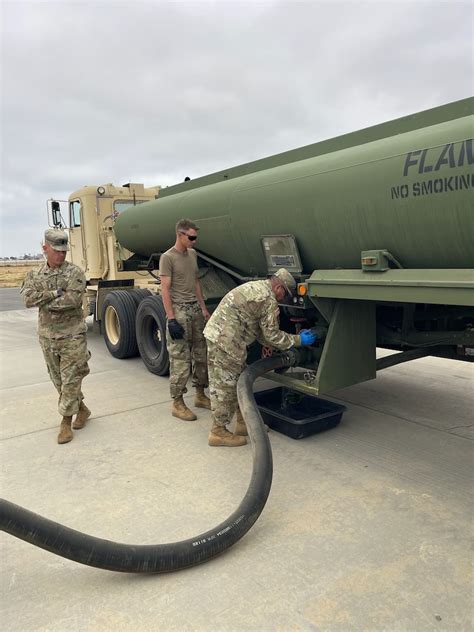
Beyond the primary task of fueling, these professionals also handle defueling operations when necessary, such as for maintenance or weight and balance adjustments. Accurate record-keeping is paramount; fuelers must meticulously document fuel quantities, transaction details, and any quality control checks performed. They often communicate directly with flight crews or ground operations personnel to confirm fuel orders and coordinate services. The work environment is typically outdoors on the airport ramp, exposing fuelers to all types of weather conditions, and often involves shift work, including nights, weekends, and holidays, to support 24/7 airport operations. The role is physically demanding, requiring the ability to lift and maneuver heavy hoses and equipment, and sometimes work at heights using ladders or lift platforms. Adherence to Federal Aviation Administration (FAA) regulations, airline-specific procedures, and airport safety protocols is non-negotiable, making attention to detail and a strong safety consciousness core attributes of a successful aircraft fueler.
Why the San Francisco Bay Area is a Prime Location for Aircraft Fueling Careers
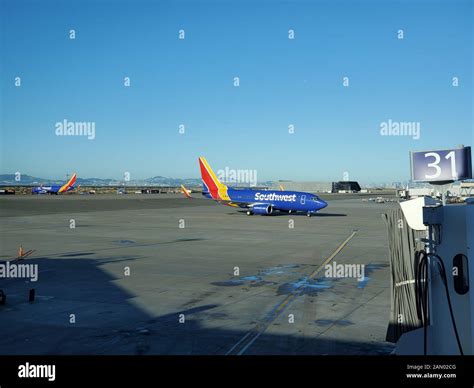
The San Francisco Bay Area stands out as a premier location for individuals pursuing aircraft fueler jobs due to a confluence of factors. Firstly, its strategic geographical position and robust economy support some of the busiest airports in the United States. San Francisco International Airport (SFO) is a major international gateway, handling a massive volume of passenger and cargo flights daily. Oakland International Airport (OAK) serves as another key airport with significant passenger and cargo operations, particularly for low-cost carriers and freight companies like FedEx. Norman Y. Mineta San José International Airport (SJC) caters to the Silicon Valley tech hub, with a growing number of domestic and international flights. Beyond these major hubs, the region hosts numerous general aviation airports and Fixed Base Operators (FBOs) that service private, corporate, and charter aircraft, all requiring skilled fueling personnel.
This high concentration of aviation activity translates directly into a consistent demand for aircraft fuelers and related ground support staff. The economic vitality of the Bay Area, while contributing to a higher cost of living, also often results in more competitive wages and comprehensive benefits packages for specialized roles like aircraft fueling, aiming to attract and retain qualified talent. Furthermore, the presence of innovative aviation companies in the region, such as Joby Aviation in San Carlos focusing on electric air taxis (though their direct job listings might be for roles like cooks or technicians, it signifies a dynamic local aviation ecosystem), hints at a forward-looking aviation community. This environment can offer not just jobs, but long-term career prospects within a diverse and technologically advancing industry. The sheer scale of operations means a variety of work environments, from bustling international terminals to more specialized FBOs, providing options for different career preferences.
Prominent Employers and Diverse Job Opportunities in Bay Area Aviation
When searching for aircraft fueler jobs in the San Francisco Bay Area, several types of employers consistently seek talent. These include major FBOs, specialized aviation service companies, and sometimes direct employment by airlines or airport authorities. Based on current listings and industry knowledge, companies like Signature Aviation, a global FBO leader, frequently have openings at airports such as SFO. While a listing like “Airside Experience Specialist – SFO” for Signature Aviation might not solely be a fueling role, it underscores their presence and need for airside personnel, often a gateway or related field to fueling. Another significant employer is GAT Airline Ground Support, which lists positions like “Airport Ramp Lead” and “Airport Ramp Agent” in locations like Pacifica and at SFO. These ramp agent roles very often include fueling duties or work in close coordination with fuelers, making them highly relevant. For example, an “Airport Ramp Agent” position with GAT at SFO paying around $22 an hour (though potentially part-time) provides an insight into entry-level compensation in ground handling.
More directly, specific roles such as an “Aircraft Fueling Supervisor” at SFO, with a starting pay “From $28.50 an hour,” highlight the opportunities for experienced professionals and the potential for career advancement within the fueling sector. This particular listing also mentions key benefits such as a 401(k), health insurance, and paid time off, which are common in the industry. While not always explicitly listing “aircraft fueler,” companies like Menzies Aviation and Allied Aviation (often appearing in related job searches) are also major players in providing aviation ground services, including fueling, across numerous airports. The City and County of San Francisco also directly employs personnel for airport operations at SFO, such as the “ASSET COORDINATOR & AIRPORT SYSTEMS COORDINATOR,” indicating diverse roles available within the airport ecosystem itself. Aspiring fuelers should monitor the career pages of these companies, FBOs operating at SFO, OAK, and SJC, and major job boards like Indeed, which regularly feature these employment opportunities.
Salary Expectations and Comprehensive Benefits for Bay Area Fuelers
Compensation for aircraft fueler jobs in the San Francisco Bay Area is influenced by the region’s higher cost of living and the specialized nature of the work. While entry-level positions, such as a general ramp agent who may also perform fueling tasks, might start in the range of $20 to $25 per hour (as suggested by the GAT Airport Ramp Agent role at $22/hour), experienced fuelers and supervisors can command significantly higher rates. The “Aircraft Fueling Supervisor” position at SFO advertising pay “From $28.50 an hour” is a strong indicator of the earning potential for those with experience and leadership responsibilities. Salaries can also vary based on the employer (FBO, third-party contractor, airline), the specific airport (SFO often has slightly higher rates), and the complexity of the aircraft being serviced.
In addition to competitive hourly wages, most full-time aircraft fueler jobs in the Bay Area come with a comprehensive benefits package. Common offerings, as seen in various job listings from companies like Joby Aviation (for their general staff, indicating regional standards) and the SFO Aircraft Fueling Supervisor role, typically include health insurance (medical, dental, and vision), paid time off (vacation, sick leave, holidays), and retirement savings plans such as a 401(k), often with a company matching component. Other frequently provided benefits can include life insurance, short-term and long-term disability insurance, and sometimes tuition reimbursement or opportunities for advancement. Employee stock purchase plans (ESPP) are also offered by some aviation companies. The availability of overtime pay is also a significant factor, given the around-the-clock nature of airport operations, which can substantially boost overall earnings for aircraft fuelers willing to work extra hours.
Essential Qualifications and Skills for Aspiring Aircraft Fuelers
To embark on a career as an aircraft fueler in the San Francisco Bay Area, certain qualifications and skills are essential. Educationally, a high school diploma or GED is typically the minimum requirement. More critical are the specific licenses, physical capabilities, and personal attributes needed for this safety-sensitive role. A valid driver’s license is almost always mandatory, and for operating larger fueling trucks, a Commercial Driver’s License (CDL) with appropriate endorsements (like Hazmat) may be required or preferred, significantly enhancing an applicant’s prospects. Due to the secure nature of airport environments, candidates must be able to pass a thorough federal background check and pre-employment drug screening, as well as random drug and alcohol tests throughout their employment.
The physical demands of the job are considerable. Aircraft fuelers must be capable of lifting and carrying heavy equipment, such as fuel hoses and nozzles (often weighing 50 pounds or more), working outdoors in all weather conditions (rain, wind, heat, cold), and standing or walking for extended periods. The ability to work at heights, sometimes using ladders or scissor lifts to reach aircraft fueling ports, is also necessary. Key skills include an unwavering attention to detail, as even minor errors in fueling can have serious consequences. Strong adherence to safety procedures and protocols is paramount. Basic mathematical skills are needed for calculating fuel loads and verifying quantities. Good communication skills are important for interacting with flight crews, ground personnel, and supervisors. Finally, the ability to work effectively as part of a team in a fast-paced environment is crucial for success in aviation jobs like aircraft fueling.
Navigating the Application Process and Advancing Your Fueling Career
Finding and securing an aircraft fueler job in the San Francisco Bay Area involves a standard application process, though with some industry-specific nuances. Job seekers should regularly check major online job boards like Indeed, which consolidates listings from various employers. It’s also highly recommended to visit the career sections of specific company websites, including FBOs like Signature Aviation, ground handling services like GAT Airline Ground Support, and even the SFO airport’s employment page. When preparing a resume, highlight any relevant experience, such as previous work in aviation, logistics, handling hazardous materials, or operating heavy machinery. Emphasize soft skills like reliability, attention to detail, safety consciousness, and teamwork.
Once an application is submitted, the interview process typically assesses a candidate’s understanding of safety, their ability to follow procedures, and their suitability for the demanding work environment. If hired, new aircraft fuelers undergo extensive on-the-job training, which includes familiarization with specific aircraft types, fueling equipment, airport layout, and emergency procedures. This training is often a combination of classroom instruction and supervised practical experience. Career advancement opportunities are plentiful for dedicated and skilled fuelers. A common progression path is from Aircraft Fueler to Lead Fueler, then to Fueling Supervisor, and potentially into managerial roles within ground operations or fuel farm management. Some may also transition into related fields such as aircraft mechanics (with additional training) or airport operations management. A strong work ethic, a commitment to continuous learning, and a proactive approach to safety are key factors for career growth in this vital sector of the aviation industry.
A Day in the Life: The Dynamic World of an Aircraft Fueler
The daily routine of an aircraft fueler in the San Francisco Bay Area is anything but monotonous, characterized by a dynamic, fast-paced environment and critical responsibilities. A typical shift often begins with a pre-shift briefing, where supervisors discuss the day’s flight schedule, any specific operational notes, weather conditions, and safety reminders. Fuelers then conduct thorough pre-use inspections of their fueling trucks or hydrant carts, checking fluid levels, tire pressure, safety equipment, and the functionality of pumps and meters. Throughout the shift, they receive fueling orders via radio, digital dispatch systems, or paper work orders, indicating the aircraft type, flight number, parking stand, and the required fuel quantity. Coordination with airline gate agents, ramp supervisors, and sometimes directly with the flight crew is essential to ensure timely service without delaying departures.
Upon arriving at the aircraft, the fueler performs a series of safety checks, including verifying the aircraft is properly chocked and grounded to prevent static electricity buildup. They confirm the correct fuel type and quantity with the flight crew or ground personnel. The actual fueling operation involves carefully connecting the hose to the aircraft’s fuel port, monitoring gauges and flow rates, and ensuring no spills occur. For large commercial jets, this can involve pumping thousands of gallons of fuel. After fueling is complete, they disconnect the equipment, complete necessary paperwork or digital entries accurately recording the uplift, and conduct a final walk-around to ensure all caps are secured and the area is clear. Between flights, fuelers might be involved in replenishing their fuel trucks, performing additional quality control checks on fuel storage systems, or assisting with other ramp duties. The work requires constant vigilance, adaptability to changing schedules, and the ability to perform under pressure, all while maintaining the highest safety standards on the active airport ramp.
Weighing the Challenges and Rewards of an Aircraft Fueling Profession
Like any profession, a career as an aircraft fueler in the San Francisco Bay Area comes with its unique set of challenges and rewards. The challenges are often inherent to the nature of airport operations. The work is physically demanding, involving heavy lifting, exposure to jet fuel fumes (with appropriate safety gear), and constant exposure to the elements, whether it’s the Bay Area’s characteristic fog and wind or summer heat. The schedule can be irregular, with requirements for early mornings, late nights, weekends, and holidays, as airports operate around the clock. Perhaps the most significant challenge is the immense responsibility for safety; errors in fueling can have catastrophic consequences, demanding constant vigilance and adherence to strict protocols. The high-pressure environment, especially during peak travel times, can also be stressful.
However, the rewards can be substantial and deeply satisfying. Aircraft fuelers play an undeniably essential role in the aviation industry; without them, planes simply wouldn’t fly. This provides a strong sense of purpose and contribution. The compensation, particularly in a high-demand area like the San Francisco Bay Area, can be quite competitive, especially for experienced individuals and supervisors, often accompanied by a solid benefits package. There’s a unique satisfaction in working around impressive aircraft and being part of the complex, fascinating world of aviation. The camaraderie among ground crews is often strong, built on teamwork and shared responsibility. Furthermore, the aviation sector offers tangible opportunities for career advancement for those who are dedicated and skilled, allowing individuals to build a long-term, stable career in a vital industry. The dynamic nature of the work also means that no two days are exactly alike, keeping the job engaging for those who thrive in active environments.
The Evolving Landscape: Future of Aircraft Fueling and Bay Area Opportunities
The field of aircraft fueling, while rooted in established procedures, is not static. The future promises evolution, driven by technological advancements and a global push towards sustainability, which will undoubtedly shape aircraft fueler jobs in the San Francisco Bay Area and beyond. One of the most significant trends is the development and increasing adoption of Sustainable Aviation Fuels (SAF). As airlines and airports commit to reducing their carbon footprint, fuelers will play a crucial role in handling and dispensing these newer fuel types, which may require updated training and potentially modified equipment. While the core tasks may remain similar, understanding the properties and handling procedures for SAF blends will become increasingly important.
Technological advancements are also impacting fueling operations. Modern fuel trucks and hydrant systems are incorporating more sophisticated digital monitoring, automated reporting, and enhanced safety interlocks. This means fuelers will need to be adept at using new technologies and interpreting digital data. The presence of forward-thinking aviation companies in the Bay Area, such as Joby Aviation working on electric aircraft, also signals a broader transformation in aviation. While electric aircraft won’t require traditional fueling, their integration into the airport environment will create new ground handling needs and potentially influence the overall infrastructure and skill sets required for airport personnel. The demand for air travel is projected to continue growing globally, ensuring a sustained need for skilled aircraft fuelers. For those entering the field in the San Francisco Bay Area, this means opportunities within a sector that is not only vital today but is also adapting for the future, offering a career path with long-term relevance and potential for growth alongside industry innovations.
In conclusion, pursuing aircraft fueler jobs or related employment in the San Francisco Bay Area, CA, offers a gateway to a challenging yet highly rewarding career at the heart of the aviation industry. The region’s major airports and vibrant aviation ecosystem provide a wealth of opportunities for individuals who are safety-conscious, detail-oriented, and physically capable. With competitive salaries, comprehensive benefits, and clear paths for career advancement, becoming an aircraft fueler is more than just a job; it’s an opportunity to play a critical role in connecting the world, ensuring the safe and efficient operation of countless flights every day. For those ready to embrace the dynamic environment of airport operations, the tarmac of the Bay Area awaits.