The future of urban mobility is about to take flight over the skies of Northern California. Archer Aviation, a Santa Clara-based aerospace company, has unveiled detailed plans to launch a revolutionary electric air taxi service in the San Francisco Bay Area by 2025. This initiative could reshape regional transportation by replacing long, congested ground commutes with swift, low-noise electric flights connecting five strategic hubs: South San Francisco, San Jose, Oakland, Livermore, and Napa.

The Bay Area’s First Electric Air Taxi Network: A Bold Leap in Transit Evolution
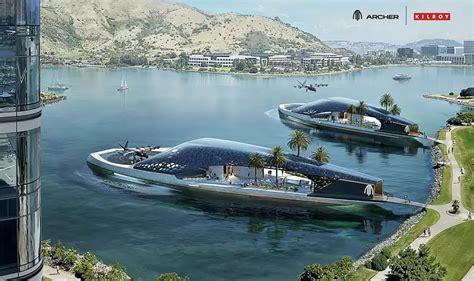
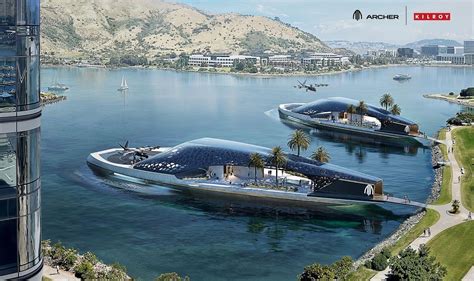
The cornerstone of Archer’s launch strategy is the creation of a vertiport at Kilroy Oyster Point, a sprawling 4-million-square-foot office development in South San Francisco. This site will be the first official air taxi terminal of its kind in the region, providing a high-traffic gateway for short-haul electric flights throughout the Bay.
With ten-minute flights to San Jose and fifteen-minute hops to Napa, the time-saving potential is game-changing. For comparison, a trip from Oakland to Napa typically takes 80 minutes by car, but in an Archer aircraft, the same journey will take just 12 minutes. These rapid aerial commutes not only represent a significant time savings, but they also promise a drastically reduced carbon footprint and substantially lower noise pollution than traditional helicopters or commercial aircraft.
eVTOL Technology: Silent Speed with Sustainability
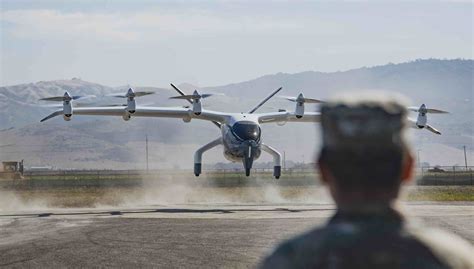
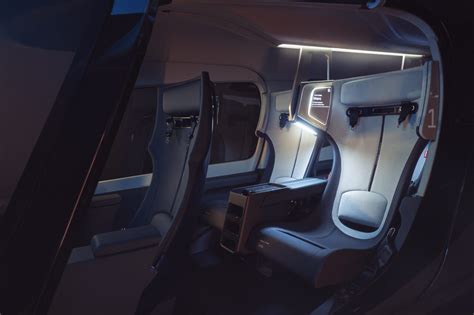
Archer’s aircraft of choice is the Midnight, a sleek, 12-propeller electric vertical takeoff and landing (eVTOL) vehicle capable of carrying four passengers. The Midnight is the embodiment of next-generation air mobility—quiet, emission-free, and designed with safety at its core.
Midnight features:
- Six independent battery packs for enhanced redundancy
- A fail-safe architecture, ensuring safe landing in the event of any single failure
- Minimal noise emissions, optimized for urban operations
- Fast charge cycles to enable continuous daily operations
Safety isn’t just a promise—it’s already been recognized by regulators. The Federal Aviation Administration (FAA) has awarded Archer both the Part 135 Air Carrier & Operator Certificate and the Part 145 Repair Certificate, bringing the company closer to full operational approval. Still, Archer must secure a final Type Certification for the Midnight to legally carry passengers.
From Concept to Concrete: Strategic Infrastructure and Partnerships
The development of Archer’s infrastructure begins with a strategic partnership with Kilroy Realty, which has committed to building out the first vertiport at Oyster Point. As a mixed-use corporate campus, this location provides ideal connectivity for business travelers, tech professionals, and commuters alike.
“We’re thrilled to collaborate with Kilroy on developing infrastructure to support Archer’s air mobility service,” said Bryan Bernhard, Archer’s Chief Growth and Infrastructure Officer. This collaboration marks the first step toward a robust regional network that could include additional vertiports at regional airports, including Napa County Airport, Oakland International, and Mineta San Jose International Airport.
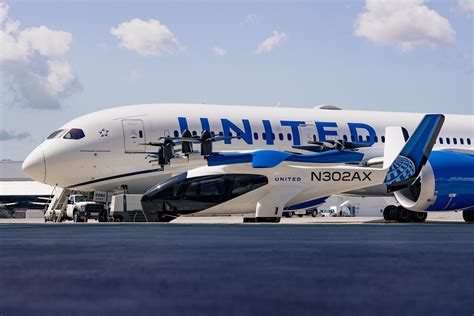
In parallel, Archer is working closely with United Airlines. This alliance positions Archer to access all United hub airports nationwide, suggesting a broader national rollout is in sight following the Bay Area debut. Eventually, air taxi passengers could seamlessly transition from city rooftops to major commercial terminals in under 15 minutes.
A Timeline Paved with Disruption, Innovation, and Legal Drama
Archer’s journey hasn’t been without turbulence. The project draws historical parallels to Uber Air, a now-defunct aerial transport initiative that collapsed in 2020 when Uber sold its aviation division. Archer stepped in to fill the void, leveraging both cutting-edge technology and aggressive timelines to outpace legacy attempts.
In 2021, Archer was embroiled in a high-profile lawsuit with Boeing, which accused Archer of poaching employees and intellectual property from its autonomous flight division. The lawsuit was ultimately settled out of court, and in a stunning twist, Boeing became an investor in Archer. While the settlement initially prevented Archer from launching services before 2028, the FAA certifications obtained in 2025 suggest the firm is now fast-tracking its commercial launch with regulatory backing.
Target Demographic: Urban Commuters, Wine Tourists, and Corporate Flyers
Archer’s pricing strategy is to match or undercut current ground transportation fares, making the service not only elite in function but accessible in cost. Early marketing indicates target demographics will include:
- Corporate commuters traveling between major Bay Area tech hubs
- Wine country tourists seeking quick hops to Napa
- Airport-to-downtown connectors, particularly for business travelers
This accessibility challenges the stereotype of air taxis being reserved for the ultra-wealthy. Instead, it positions Archer as an everyday solution for a region plagued by traffic congestion, aging infrastructure, and long public transit commute times.
Bay Area as the Testbed for National Expansion
Archer has chosen the Bay Area not just for its density and demand, but because of its regulatory openness, tech-savvy population, and logistical geography. The company views this launch as a proof of concept for scalable air mobility nationwide.
Similar models are being explored in New York City, Los Angeles, and Dallas, with the eventual goal of creating a national air taxi grid—a network of quiet, battery-powered vehicles lifting passengers above traffic in every major metropolitan area.
Rivals and the Road Ahead: Archer vs. Joby
The competitive landscape is heating up, with Joby Aviation, based in nearby Santa Cruz, already ahead in some certification milestones. Backed by Toyota, Joby is seen by many analysts as a frontrunner in the eVTOL race. But Archer’s aggressive partnership strategies, FAA clearances, and vertiport construction timeline suggest it could leapfrog its rivals if it meets its 2025 launch deadline.
Beyond Archer and Joby, other players like Lilium, Volocopter, and Beta Technologies are vying for dominance in the urban air mobility space. Each is betting on a different combination of battery chemistry, aircraft design, and market strategy. Yet none has yet matched the speed of Archer’s infrastructure development in a market as complex as the Bay Area.
The Future Is Vertical: Challenges, Opportunities, and Societal Shifts
Urban air mobility is not without hurdles. Noise concerns, public skepticism, pilot availability, and infrastructure bottlenecks all present barriers to adoption. But Archer’s roadmap is built with these in mind. The company is already exploring autonomous flight for the next generation of aircraft and building in quiet propulsion tech to satisfy municipal sound ordinances.
Most critically, pilot training programs are being developed in parallel to aircraft production, ensuring that thousands of certified operators will be ready when the aircraft are. Archer is also working with local governments, environmental agencies, and air traffic control authorities to integrate safely and efficiently into existing systems.
The Bay Area’s dense network of highways and slow-moving commuter rails is overdue for innovation. By placing landing pads on rooftops, office parks, and regional airports, Archer envisions a world where vertical lift takes precedence over gridlocked roads.
As Adam Goldstein, CEO of Archer, aptly noted: “We are standing up one of the world’s first electric air taxi services for communities across the U.S. with a safe, sustainable, and low noise transportation solution.”
2025 may mark not just a milestone for Archer, but for a paradigm shift in the way we move.