Understanding the Role of an Aircraft Fueler
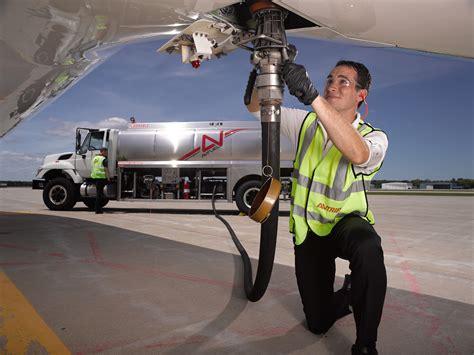
In the complex ecosystem of airport operations, the aircraft fueler holds a vital position. These professionals are responsible for ensuring that aircraft receive the correct amount and type of fuel before takeoff. The task, while seemingly straightforward, demands technical precision, safety adherence, and seamless coordination. Without accurate fueling, flight schedules can be disrupted, safety can be compromised, and operational costs can escalate.
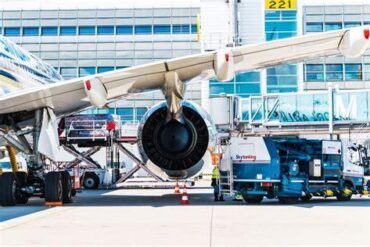
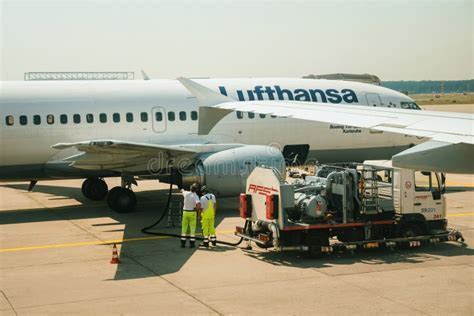
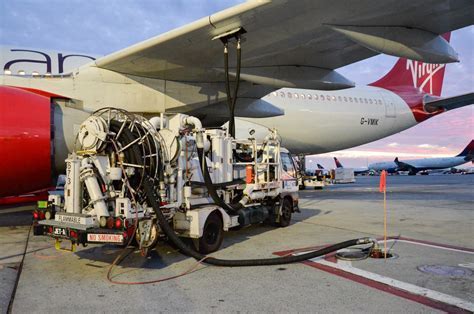
Aircraft fuelers are stationed primarily on the apron—the area where aircraft are parked, loaded, refueled, and boarded. Their responsibilities extend beyond fueling, often encompassing ground support such as guiding aircraft to gates, positioning boarding stairs, or collaborating with airline personnel on logistics.
Core Responsibilities of an Aircraft Fueler
At the heart of this profession lies the task of refueling aircraft safely, efficiently, and in accordance with rigorous protocols. However, this only scratches the surface. The day-to-day functions include:
-
Inspecting fueling equipment for leaks, pressure issues, and operational safety.
-
Calculating fuel volumes based on aircraft specifications, flight distances, weight limits, and fuel burn rates.
-
Monitoring fueling procedures to prevent contamination or spillage.
-
Adhering to environmental and aviation fuel standards, including those from IATA and local civil aviation authorities.
-
Recording data such as fuel type, quantity dispensed, time of fueling, and aircraft registration.
Fuelers may also act as liaisons between ground control and flight crew, ensuring that all fueling activities are completed before scheduled departure times.
Key Skills for an Aircraft Fueler
Excellence in this role demands a specialized blend of physical capability, technical knowledge, and interpersonal skill. Some of the most essential competencies include:
-
Knowledge of aviation fueling procedures and aircraft fuel systems.
-
Safety protocol awareness, particularly when operating under hazardous conditions such as heat, rain, or snow.
-
Manual dexterity and the ability to maneuver heavy hoses and couplings.
-
Mathematical accuracy, especially for calculating volumes and verifying meter readings.
-
Strong communication skills to interact with flight crew, maintenance teams, and operations control.
-
Physical fitness, as the role involves outdoor work, standing for long hours, and frequent climbing onto refueling ladders or vehicles.
Qualifications and Training Pathway
While no formal academic degree is required to become an aircraft fueler, some qualifications and training certifications enhance employability and ensure operational competency:
-
GCSEs or equivalent may be preferred by some employers.
-
On-the-job training programs, typically offered by airlines, third-party fuel contractors, or airport authorities.
-
NVQs/SVQs in Airside Ramp Operations at Level 2, which include units on fueling procedures, safety compliance, and emergency response.
-
Certification in airport safety, fuel handling, and hazardous material management.
Aviation fueling companies may also require a clean driving record, especially when operating refueler trucks, which are classified as specialized vehicles.
Career Development and Professional Outlook
The role of an aircraft fueler can serve as a springboard for various career paths in aviation operations and engineering. As fuelers gain experience, they may transition into supervisory or technical roles, such as:
-
Aircraft Maintenance Technician
-
Fuel System Technician or Engineer
-
Ground Operations Supervisor
-
Airport Operations Manager
-
Aviation Fuels Quality Control Inspector
Some professionals also pivot to specialize in fuel efficiency analysis, working alongside engineers to optimize fuel consumption strategies across fleets.
Safety and Environmental Responsibility
Fueling aircraft involves handling volatile substances in high-risk environments, making safety protocols non-negotiable. Every fueling session must follow aviation-grade safety practices:
-
Static grounding to prevent sparks.
-
Pre-fueling inspections to detect contamination or leaks.
-
Emergency cutoff systems in fueling vehicles.
-
Compliance with ICAO Annex 14 and local environmental protection laws concerning fuel spillage.
Environmental consciousness has become increasingly critical. Fuelers must also participate in efforts to reduce fuel waste, prevent groundwater contamination, and manage biofuel integration as airlines move toward sustainability.
Working Conditions and Challenges
The life of an aircraft fueler is physically demanding and mentally alert. Fuelers often work:
-
In irregular shifts, including nights, weekends, and holidays.
-
Under varying weather conditions, such as wind, rain, snow, or scorching heat.
-
With tight turnaround times, especially during peak travel seasons.
Mental and physical stamina are crucial, as is the ability to make quick, accurate decisions in high-pressure scenarios.
Technology and Equipment in Fueling Operations
Modern fuelers operate sophisticated machinery designed to enhance accuracy and safety:
-
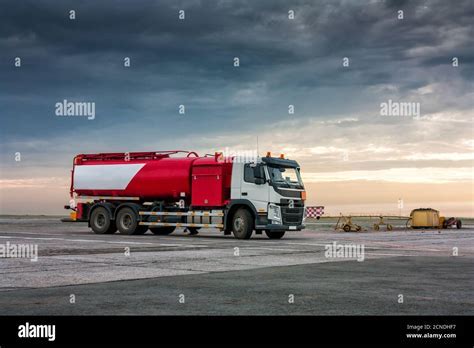
Fuel hydrant systems, which eliminate the need for tankers at major airports.
-
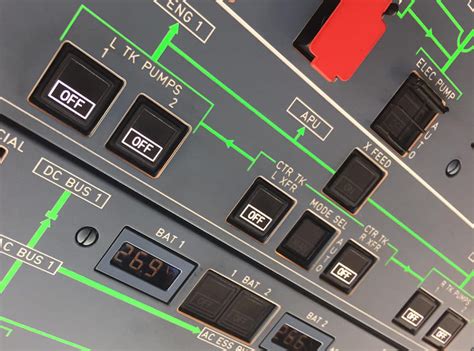
Digital fuel meters and control panels, enabling precise tracking of volumes.
-
Fuel trucks with integrated filtration systems to ensure fuel quality.
Additionally, the integration of data management software has streamlined fuel tracking, maintenance records, and compliance reporting.
Industry Demand and Job Market Trends
With global air traffic rebounding, the demand for skilled ground operations staff, including aircraft fuelers, has surged. Airports serving hub carriers and international long-haul flights experience the highest fuel volume requirements, thus offering more job opportunities.
Employment is typically offered by:
-
Major airlines (e.g., British Airways, Lufthansa, Emirates)
-
Airport ground handling firms
-
Private aviation fueling contractors (e.g., Menzies Aviation, Swissport, World Fuel Services)
As sustainability and efficiency become industry priorities, fuelers who are cross-trained in aviation fuel technology and green initiatives will be better positioned for long-term career growth.
Frequently Asked Questions (FAQ)
What qualifications do I need to become an aircraft fueler?
Most entry-level positions require a high school diploma or equivalent. However, training in fuel handling, airport safety, or airside operations can significantly improve job prospects. NVQs or airport-specific certifications are often required by larger employers.
How is aircraft fueling different from automobile fueling?
Aircraft fueling involves much higher stakes. It requires precise calculations, adherence to international safety standards, contamination control, and constant communication with ground crews. Additionally, aviation fuel differs chemically and must be handled under strict regulatory compliance.
Are there advancement opportunities for aircraft fuelers?
Yes. With experience, aircraft fuelers can move into supervisory roles, technical inspection, or transition into maintenance, engineering, or operations management. Specialized certifications can open doors to roles in fuel systems engineering or aviation fuel logistics.