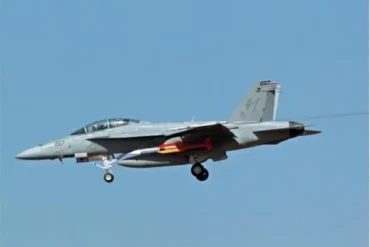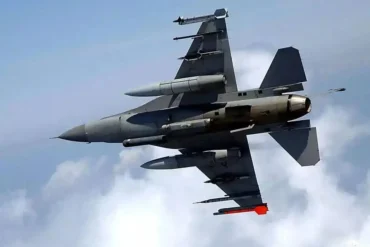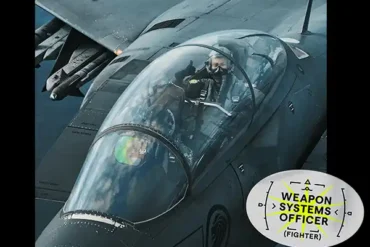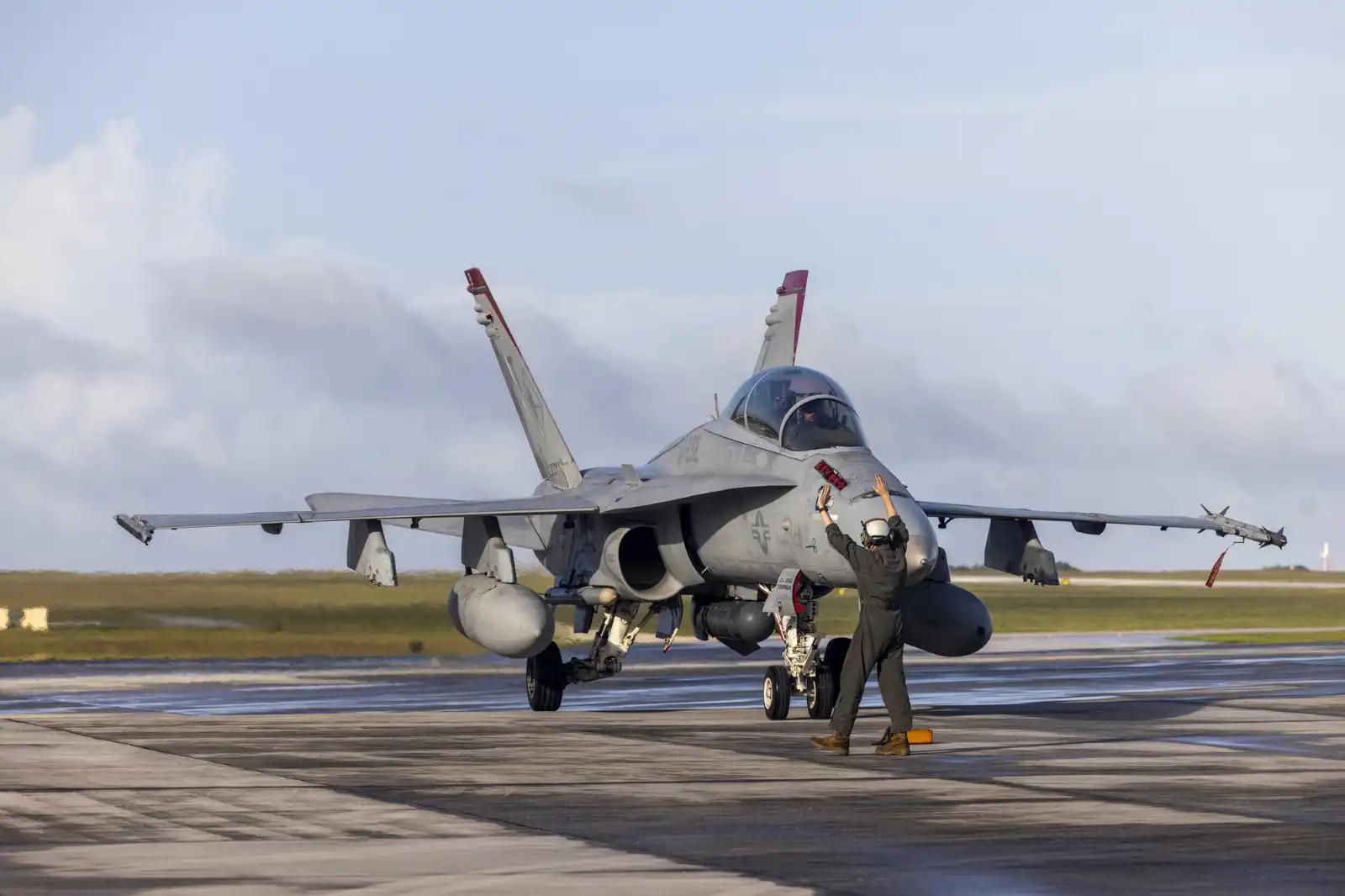
The F/A-18 Hornet has been an essential aircraft in the United States Marine Corps (USMC) aviation arsenal for decades. Serving in multiple roles, from air superiority to ground attack, it has proven its effectiveness in combat scenarios worldwide. This multirole fighter has not only provided exceptional combat performance but has also shaped the USMC’s tactical evolution. As the USMC transitions to the F-35, the legacy of the F/A-18 Hornet remains a testament to its enduring capabilities.
The Role of the F/A-18 Hornet in USMC Operations
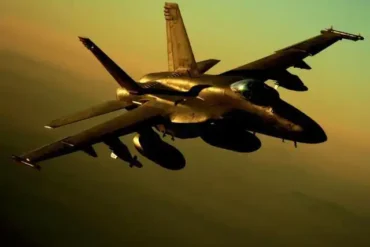
The USMC F/A-18 squadrons have played a pivotal role in both carrier-based and land-based operations. Equipped with General Electric turbines, the aircraft is capable of reaching speeds of Mach 1.8 and delivering precision strikes against enemy targets. Whether deployed for air-to-air combat or close air support missions, the Hornet has demonstrated its adaptability in high-stakes environments.
Notable USMC F/A-18 Squadrons
VMFA-251 “Thunderbolts”
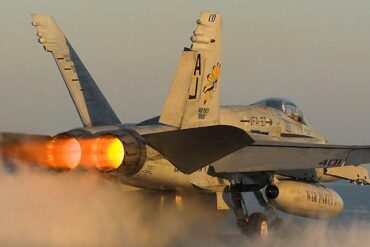
The VMFA-251 squadron, known as the “Thunderbolts,” operates under Marine Aircraft Group 31 (MAG-31) and is stationed at Marine Corps Air Station (MCAS) Beaufort, South Carolina. This squadron has been integral in NATO exercises, joint combat drills, and quick-response missions. Their aircraft are distinct with the “Thunderbolts” livery, showcasing their rich history and commitment to excellence.
VMFA-323 “Death Rattlers”
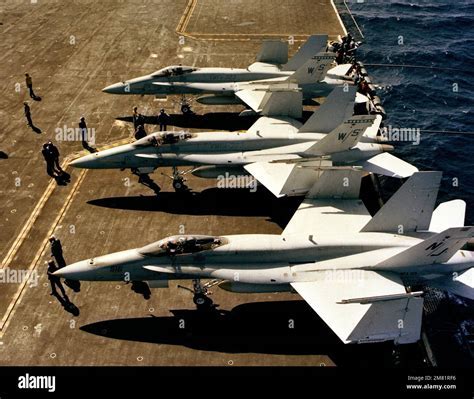
Operating under MAG-11 at MCAS Miramar, California, VMFA-323 is historically significant as it conducted the final USMC carrier deployment of the F/A-18 aboard the USS Nimitz in 2023. This milestone marked the end of an era for USMC carrier-based Hornets, as the squadron began transitioning to the F-35B Lightning II. The retirement of BuNo. 165220, one of the last operational carrier-based F/A-18s, symbolizes a major shift in USMC aviation strategy.
VMFAT-101 “Sharpshooters”
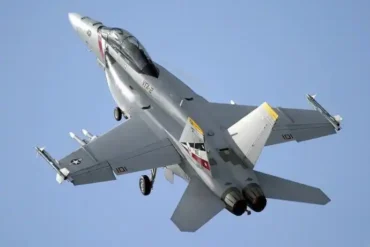
As a training squadron based at MCAS Miramar, VMFAT-101 specializes in adversary air combat training. These aircraft often wear aggressor liveries, featuring red stars and distinct tactical markings to simulate enemy forces during exercises. One notable aircraft, BuNo. 163152, has been instrumental in shaping the air combat skills of USMC pilots.
Technical Capabilities of the F/A-18 Hornet
The F/A-18 Hornet is renowned for its advanced avionics, weapons systems, and aerodynamics, making it a dominant force in modern air combat. Below are some key technical specifications that define its combat effectiveness.
Performance and Power
- Maximum Speed: 1.8 Mach (1,911 km/h) at high altitude
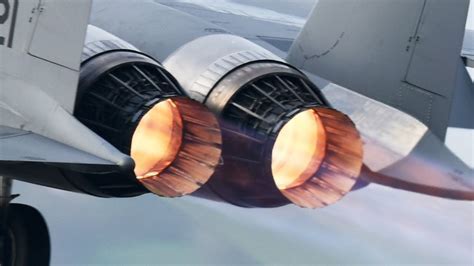
- Engines: Twin General Electric turbines with 6-stage afterburners
- Combat Radius: Enhanced via aerial refueling, adapting to diverse mission profiles
Weapons and Avionics
The F/A-18 Hornet is designed to handle a variety of weapon systems, providing superior air-to-air and air-to-ground capabilities:
- AIM-9 Sidewinder & AIM-120 AMRAAM for air superiority
- AGM-65 Maverick and precision-guided bombs for ground attack
- AN/APG-65 radar for target tracking and engagement
- AN/AWG-21 missile control systems for enhanced strike accuracy
The Transition to the F-35 and the Hornet’s Legacy
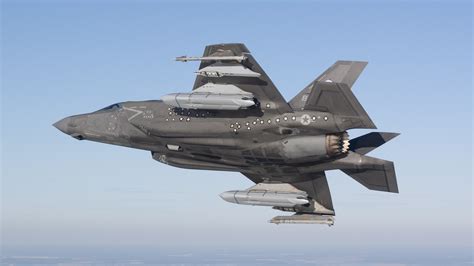
As the USMC shifts toward the F-35B/C, the F/A-18 Hornet is gradually being retired. This transition represents an upgrade in stealth, avionics, and combat performance. However, the Hornet’s legacy will endure through its contributions to tactical aviation advancements.
Key Milestones in the F/A-18’s Service
- First multirole fighter capable of switching between air-to-air and air-to-ground missions via cockpit controls
- Over 1,000 units produced, serving across multiple allied nations
- Played a crucial role in major USMC combat operations
Historical Significance and Global Influence
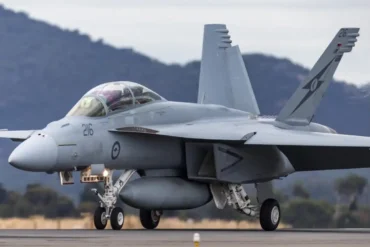
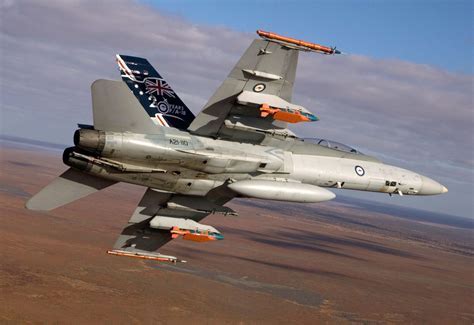
The F/A-18 Hornet originated from the YF-17 prototype and became the primary fighter for the US Navy and USMC following the retirement of the F-14 Tomcat. Its durability and versatility led to its adoption by allied forces worldwide, including Australia and Canada, which modified versions for their own air defense requirements.
Training, Museums, and Cultural Impact
Beyond combat roles, the F/A-18 Hornet has significantly influenced pilot training programs and aviation museums:
- VMFAT-101 continues to use aggressor F/A-18s for training future aviators.
- Museums such as the Flying Leathernecks Aviation Museum preserve retired Hornets, offering public insights into their combat history.
FAQ
1. Why is the USMC retiring the F/A-18 Hornet?
The USMC is transitioning to the F-35B/C due to its superior stealth capabilities, advanced sensors, and multirole performance. The F-35B also offers vertical landing and short takeoff, making it more adaptable for modern battlefield needs.
2. What made the F/A-18 Hornet effective in combat?
The F/A-18’s multirole capability, high-speed maneuverability, advanced radar systems, and diverse weapon loadout made it a highly adaptable fighter jet. It excelled in both air-to-air engagements and precision ground attacks.
3. Which countries still operate the F/A-18 Hornet?
While the USMC and US Navy are phasing out their F/A-18s, countries such as Australia, Canada, Switzerland, and Finland continue to operate modified versions for their national defense strategies.
The F/A-18 Hornet remains one of the most iconic multirole fighters in USMC history, leaving an indelible mark on modern air combat tactics and aviation technology.