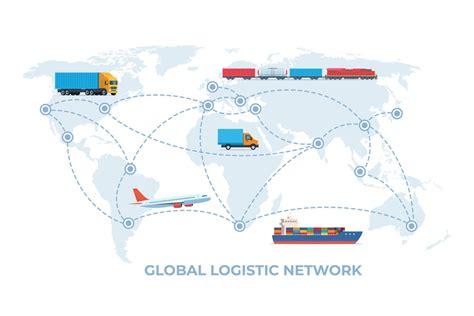
Aviation logistics plays a critical role in the seamless movement of goods and people across vast geographies, binding global economies together through efficient, time-sensitive air transportation networks. This field not only underpins the operational strength of airlines and airports but also supports a vast ecosystem of industries that depend on air-based distribution and coordination. From freight handling and aircraft maintenance to supply chain orchestration and digital communications, aviation logistics is a cornerstone of modern commerce and defense infrastructures.
Understanding Aviation Logistics in the Global Framework
At its core, aviation logistics encompasses the planning, execution, and management of the complex systems required to move cargo and passengers by air. This includes ground handling, maintenance, supply chain management, warehousing, aircraft loading, and scheduling, all of which must be executed with surgical precision to maintain punctuality, safety, and profitability. Unlike other logistics verticals, aviation logistics deals with high-value shipments and time-critical movements that demand real-time coordination.
The growing reliance on just-in-time delivery, international e-commerce, and same-day shipping options has placed aviation logistics at the forefront of global distribution strategies. Whether moving pharmaceuticals, electronics, perishable food, or defense supplies, this logistics discipline supports industries where time sensitivity equals value.
The Economic Significance of Aviation Logistics
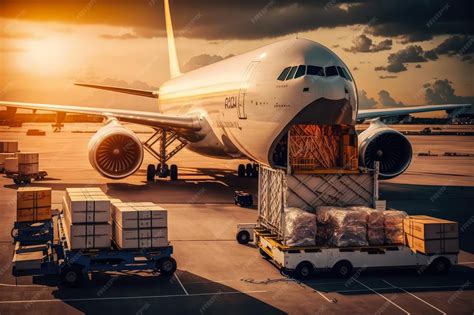
The impact of aviation logistics extends beyond transportation. It contributes directly to GDP by fueling trade, supporting tourism, and creating employment across a multitude of sectors. The U.S. Bureau of Labor Statistics classifies over 495,000 jobs under air transportation, and remarkably, pilots, copilots, and flight engineers account for only about 15% of this total. The remaining 85% comprises roles in air cargo handling, aviation operations, planning, software integration, compliance, security, and logistics management.
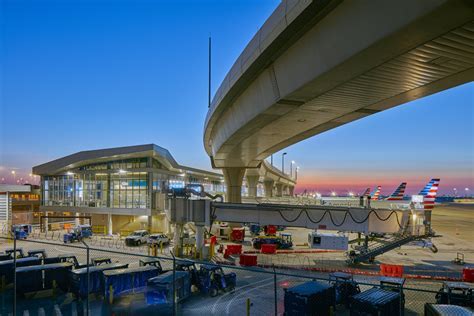
Modern economies like that of the United States depend heavily on these logistics frameworks, with cities such as Dallas/Fort Worth (D/FW) emerging as central hubs. The D/FW metroplex, hosting a dedicated freight airport, one of the largest passenger airports, regional reliever airports, and hundreds of airfields, is emblematic of how logistics and aviation infrastructure converge to produce robust economic ecosystems.
Aviation Logistics Education and Career Pathways
The increasing complexity of aviation operations has generated a strong demand for well-trained logistics professionals. Institutions like the University of North Texas (UNT) and Tarrant County College (TCC) have collaborated to offer specialized degree programs in Aviation Operations and Logistics. This academic partnership facilitates seamless credit transfers, enabling students to complete a Bachelor of Applied Arts and Science (BAAS) in just two years post-associate degree.
A typical aviation logistics curriculum integrates Logistics and Supply Chain Management, Aviation Industry Fundamentals, Safety Management Systems, and Air Passenger Planning and Control, alongside electives in business strategy and technology. Students often engage in field projects, internships, and co-ops with regional employers, which strengthens their real-world competencies and employability.
Graduates can expect starting salaries ranging between $58,000 and $96,000 annually, depending on their region, internship experience, and ability to strategically market their skills. These roles are spread across diverse sectors:
-
Aircraft manufacturing firms
-
Airport authorities
-
Freight and cargo distributors
-
Government and military logistics departments
-
Software and electronic systems integrators for aviation
-
Retail logistics and telecom service firms
Major Players and Career Opportunities in the Field
With air travel expanding rapidly in emerging markets and mature economies alike, the field of aviation logistics is teeming with opportunity. Besides traditional air carriers and cargo companies, opportunities also abound in:
-
Aerospace engineering and parts supply chains
-
Aviation-focused software firms (flight planning, cargo routing, air traffic systems)
-
Air freight specialists like FedEx, UPS, DHL
-
Defense contractors managing military aviation logistics
-
Aviation consulting and executive recruitment firms
International corporations particularly value professionals with a solid foundation in both aviation and logistics. As global trade intensifies, the ability to coordinate supply chains across borders becomes a high-value skill.

Strategic Hubs and Infrastructure in Aviation Logistics
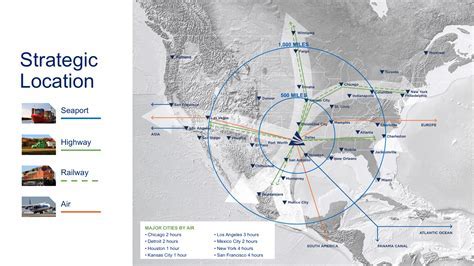
Nowhere is the influence of aviation logistics more visible than in strategic transportation hubs like the D/FW Metroplex. Texas is home to the nation’s most comprehensive air and road network, supported by:
-
Two major airlines and several charter operators
-
Over 500 motor carriers
-
Seven top freight rail lines
-
A dedicated freight airport and one of the largest passenger terminals in the country
This synergy between aviation and terrestrial logistics fosters seamless multimodal operations, making the region a global example of integrated logistics strategy. The North Texas Commission Logistics Committee and CSCMP D/FW Roundtable have played instrumental roles in supporting aviation education, internship programs, and graduate placements through public-private partnerships.
Technological Integration and the Future of Aviation Logistics
Aviation logistics is undergoing a digital transformation powered by AI, IoT, blockchain, and big data analytics. Predictive maintenance, real-time cargo tracking, automated warehousing, and AI-optimized route planning are revolutionizing how cargo moves from origin to destination. Technologies such as RFID tagging and drone-assisted inventory inspections are no longer futuristic—they are operational realities.
Additionally, software systems that manage slot coordination, flight load optimization, and customs compliance are being integrated with enterprise-level ERP platforms. This results in heightened transparency, improved turnaround times, and minimized operational risk.
Cybersecurity and data integrity are also becoming core pillars of aviation logistics, especially as aviation networks become increasingly interconnected. Compliance with ICAO, FAA, and other international aviation regulatory frameworks is essential to maintaining operational certification and trust.

Conclusion: Why Aviation Logistics Matters More Than Ever
In today’s interconnected global economy, aviation logistics represents the lifeblood of commerce, communication, and coordination. It provides a sophisticated infrastructure that facilitates the timely movement of high-value goods and people, fosters international trade, and supports national defense and emergency response systems. The field blends technological innovation, operational efficiency, and strategic foresight to meet the demands of modern commerce.
From education to execution, every component of this discipline reflects the evolving needs of a globalized society. As technologies continue to advance and demand for speed and reliability increases, aviation logistics will remain a critical driver of economic development and strategic advantage.
FAQs
What skills are most valuable in aviation logistics careers?
Strong analytical skills, technical understanding of logistics systems, proficiency in software tools like ERP or aviation management platforms, and knowledge of regulatory standards are essential. Communication and leadership abilities are equally important, especially in managing teams or coordinating across departments.
Which industries hire aviation logistics professionals?
Beyond traditional aviation sectors, industries like defense, telecom, software, e-commerce, and even pharmaceuticals hire aviation logistics experts. Any company that relies on timely air-based distribution can benefit from aviation logistics talent.
Is a degree necessary for a career in aviation logistics?
While some entry-level roles may accept technical certifications or relevant experience, a bachelor’s degree in aviation logistics, supply chain management, or operations significantly enhances employability and upward mobility. Programs with internships and industry collaborations provide a competitive edge.