Enhanced Connectivity and Reduced Travel Time
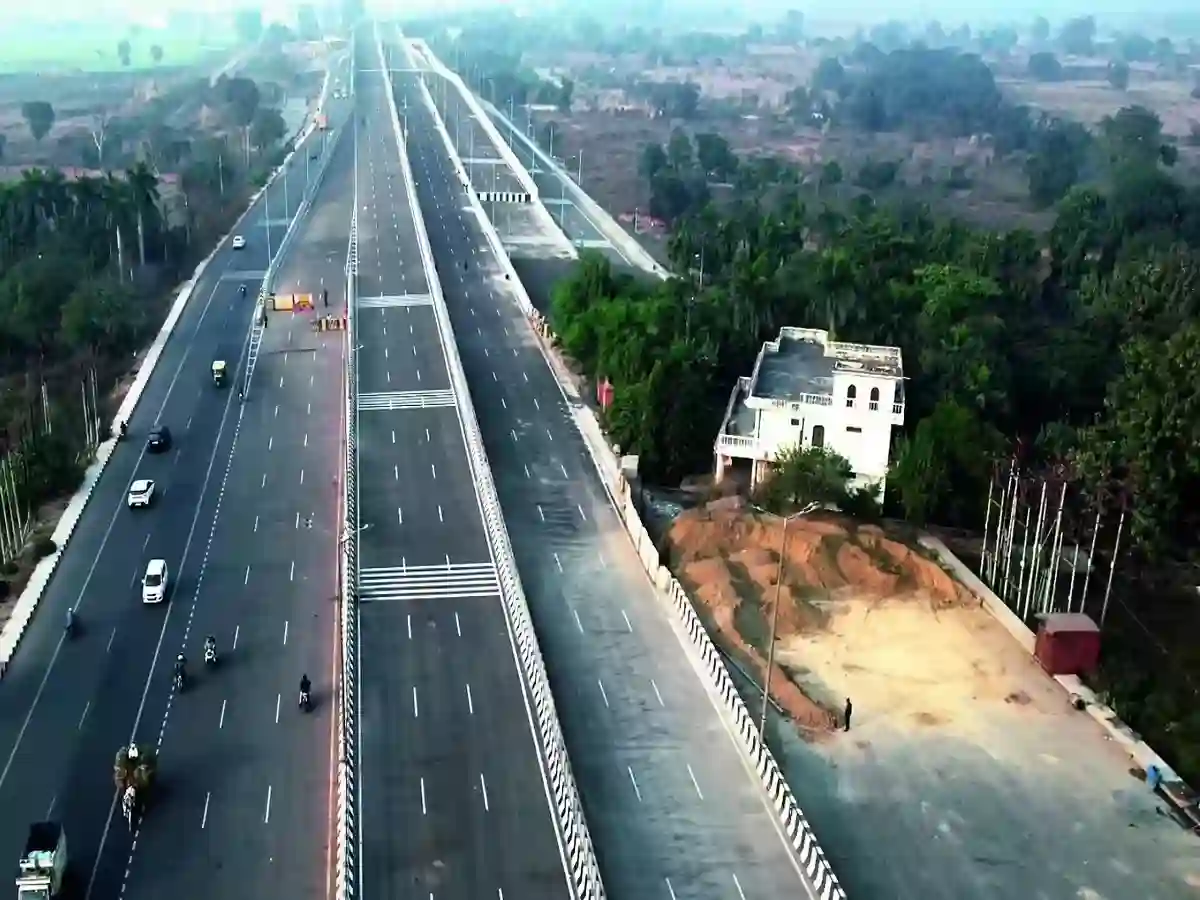
The expressway’s most significant impact is its capacity to transform travel times dramatically. The existing journey from Delhi to Dehradun often requires navigating through congested routes and traffic bottlenecks, making it a frustrating experience for commuters and tourists alike. However, with the introduction of the expressway, the travel duration will be cut down significantly, allowing for more efficient commuting. This improvement not only benefits daily travelers but also opens up new opportunities for weekend getaways to popular hill stations such as Mussoorie, Rishikesh, and Haridwar.
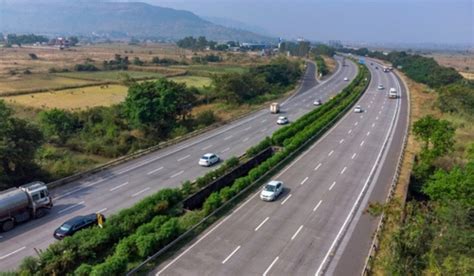
The expressway will feature state-of-the-art infrastructure designed for safety and comfort, including over 110 underpasses, five rail overbridges, and four major bridges. Additionally, 16 strategically placed entry and exit points will facilitate seamless access to towns along the route. With a maximum speed limit of 100 km/h, the expressway ensures a faster and safer journey for all.
Commitment to Wildlife Protection
A standout feature of the Delhi-Dehradun Expressway is its commitment to wildlife conservation. Recognizing the ecological significance of the region, the expressway incorporates Asia’s largest wildlife corridor, designed specifically to ensure safe passages for animals, including elephants, across the busy roadway. The integration of underpasses, tunnels, and elevated roadways will allow wildlife to traverse the area without the threat of traffic collisions.
Moreover, the expressway will implement various measures to protect the natural habitat surrounding the route. This includes the installation of sound barriers, special fencing, and non-intrusive lighting to minimize disturbances to wildlife. These features are crucial for preserving the region’s biodiversity and reducing roadkill incidents, marking a significant step towards maintaining ecological balance while facilitating development.
Economic Growth and Local Development
The economic implications of the Delhi-Dehradun Expressway are substantial. Towns along the expressway, such as Baghpat, Shamli, and Saharanpur, are expected to witness a surge in business activity due to improved accessibility. The enhanced infrastructure will not only attract tourists to these areas but also encourage local entrepreneurship and investment.
As travel becomes more convenient, destinations like Mussoorie, Rishikesh, and Haridwar will likely experience increased foot traffic. This influx of visitors will invigorate the local hospitality industry, including hotels, restaurants, and recreational facilities, contributing to the overall economic growth of the region. The expressway acts as a bridge, connecting urban centers with rural economies, thus fostering a more integrated and prosperous community.
Exploring Key Destinations Along the Route
As the Delhi-Dehradun Expressway opens to the public, several enchanting destinations will become significantly more accessible. Here are some must-visit spots that travelers can look forward to:
Dhanaulti
Nestled on the Chamba-Mussoorie road at an altitude of 2,250 meters, Dhanaulti is a picturesque town known for its tranquil environment and stunning views of the Himalayas. This destination is perfect for those seeking solace amidst nature’s beauty, offering a peaceful retreat from the urban hustle and bustle.
Rishikesh
Known as the “Yoga Capital of the World,” Rishikesh is situated at the foothills of the Garhwal Himalayas. The town is renowned for its scenic beauty, yoga retreats, and adventure sports like river rafting. The newly constructed expressway will make it easier for visitors to experience the spiritual and natural wonders that Rishikesh has to offer.
Chakrata
This charming cantonment town, located between the Yamuna and Tons rivers, stands at an elevation of approximately 7,000 to 7,250 feet. Chakrata is celebrated for its unspoiled natural beauty and offers breathtaking views of the surrounding mountains, making it an ideal spot for nature lovers and adventure seekers.
As travel times decrease, these destinations will attract more visitors, leading to an enriched tourism experience in northern India.
A Vision for Sustainable Travel
The Delhi-Dehradun Expressway is not merely an infrastructural advancement; it embodies a vision for a sustainable future of travel. By prioritizing wildlife preservation alongside modern transport facilities, the expressway sets a precedent for how future projects can harmonize development with environmental stewardship. The incorporation of eco-friendly practices into its design reflects a growing awareness of the need to protect our natural surroundings while facilitating growth.
As the expressway nears completion, it promises to deliver not just a quicker, safer travel experience but also a means to support the region’s economic vitality and conservation efforts. The project stands as a landmark development in Indian infrastructure, with the potential for long-lasting positive impacts on both the environment and local communities.
Conclusion
In conclusion, the Delhi-Dehradun Expressway is set to be a transformative force in northern India, enhancing connectivity, promoting wildlife protection, and stimulating economic growth. As it bridges cities and fosters tourism, it simultaneously respects and protects the region’s rich biodiversity. This multifaceted approach marks a significant stride toward a future where travel, conservation, and economic development coexist harmoniously.