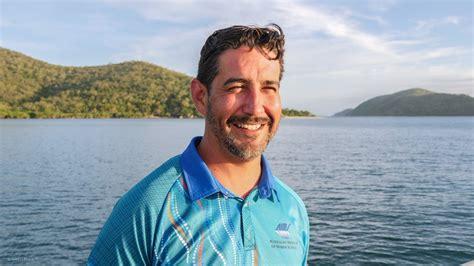
The Australian Institute of Marine Science (AIMS) has announced the appointment of Dr. Manuel Gonzalez-Rivero as the new Global Coordinator for the Global Coral Reef Monitoring Network (GCRMN), succeeding Dr. Britta Schaffelke after her two decades of dedicated service. This transition is not merely a change in leadership but a significant step forward in the global endeavor to monitor and preserve the world’s coral reefs, particularly as these ecosystems face unprecedented challenges from climate change, pollution, and overfishing. Dr. Gonzalez-Rivero’s extensive expertise and innovative approach promise to bring fresh insights and strategic direction to coral reef conservation efforts across Australia, the UK, and beyond.
The Global Coral Reef Monitoring Network (GCRMN) represents an essential international collaboration of scientists, researchers, and organizations committed to assessing the health of coral reefs around the globe. Operated under the auspices of the International Coral Reef Initiative (ICRI), GCRMN serves as a critical platform for collecting and sharing vital data regarding coral ecosystem conditions. Over its 30-year history, AIMS has been instrumental in the development and operation of this network, facilitating joint research efforts and providing essential insights into the myriad threats facing coral reefs worldwide.
One of the most pressing issues that GCRMN addresses is the impact of climate change on coral ecosystems. Through the collection and analysis of data, the network aims to highlight the effects of rising sea temperatures, ocean acidification, and other anthropogenic factors on coral health. This information is crucial for developing effective conservation strategies and informing policymakers about the urgent need for action.
Dr. Gonzalez-Rivero, a Principal Research Scientist at AIMS, leads the Reef Process Dynamics team, focusing on understanding the drivers of change in coral reef ecosystems. His research integrates spatial ecology, disturbance ecology, and mathematical modeling to analyze how coral reefs respond to both natural disturbances and human activities. A notable achievement in his career is the development of ReefCloud, an innovative platform that allows the global coral reef monitoring community to share data in real time. This initiative was presented by Dr. Gonzalez-Rivero at the One Ocean Science Conference in Nice, France, earlier this year, where he emphasized its potential to transform coral reef data sharing and analysis.
ReefCloud stands out as a game-changing tool in the field of coral reef monitoring. It facilitates collaboration among researchers from various regions, allowing for seamless data exchange essential for tracking coral reef health and responding rapidly to environmental threats. Under Dr. Gonzalez-Rivero’s guidance, ReefCloud is expected to enhance the integration of artificial intelligence (AI) tools, such as Coral Net and Data Mermaid, further refining data collection, analysis, and decision-making processes. This technological advancement is set to revolutionize how scientists and conservationists approach coral reef management and conservation efforts.
As the newly appointed Global Coordinator of GCRMN, Dr. Gonzalez-Rivero has articulated a clear vision for the future of coral reef monitoring. His primary goal is to strengthen international collaboration and broaden the network’s outreach to include regions currently underrepresented in coral reef research. By enhancing the integration of AI and advanced data analytics into monitoring practices, Dr. Gonzalez-Rivero aims to enable faster, more accurate assessments of reef health. This proactive approach will facilitate more effective conservation and management strategies, ensuring that coral reefs receive the attention and resources they desperately need.
Reflecting on Dr. Britta Schaffelke’s legacy, it is evident that her contributions to coral reef science have been monumental. Over her two-decade tenure at AIMS, she significantly advanced the GCRMN’s mission, fostering international partnerships and spearheading critical research initiatives. Notably, her leadership was pivotal in establishing the GCRMN Data Taskforce in 2023, which addresses data management challenges and promotes better integration across diverse geographic regions. Dr. Schaffelke’s expertise in water quality impacts on the Great Barrier Reef has made her a recognized figure in the field, leading to numerous collaborations and influencing global conservation policies. Her receipt of the AIMS Medal in 2022 underscores her exceptional dedication and commitment to marine science.
Looking towards the future, Dr. Gonzalez-Rivero’s leadership marks a promising chapter for the GCRMN. The upcoming Status of Coral Reefs of the World: 2026 report will serve as a comprehensive assessment of global coral reef health. This report will rely heavily on the collaborative data gathered by GCRMN members, providing invaluable insights into ongoing conservation efforts. With coral reefs being some of the most biodiverse ecosystems on Earth, their preservation is critical as they face escalating threats from climate change and human activities. The work of Dr. Gonzalez-Rivero and the GCRMN team will be crucial in developing strategies to protect and restore coral reefs for future generations.
The 2026 Global Report on Coral Reefs is anticipated to be a landmark publication that consolidates findings from various monitoring programs worldwide, offering a detailed overview of coral reef health. It will be an indispensable resource for policymakers, conservationists, and the general public, guiding effective management and conservation strategies. Dr. Gonzalez-Rivero’s role will be essential in ensuring that the data presented in this report is both accurate and reflective of the latest advancements in coral reef science.
The collective efforts of GCRMN and AIMS are part of a larger global initiative aimed at conserving coral reefs and mitigating the impacts of climate change. As climate-related challenges intensify, the importance of collaboration among scientists, governments, and conservation organizations cannot be overstated. The data and insights generated by GCRMN will play a pivotal role in shaping future conservation efforts, ensuring that coral reefs are protected and preserved.
In conclusion, as Dr. Manuel Gonzalez-Rivero takes on the role of Global Coordinator for the Global Coral Reef Monitoring Network, the outlook for coral reef science and conservation appears optimistic. His leadership and innovative vision will undoubtedly continue to advance the mission of GCRMN, reinforcing the global commitment to monitoring and safeguarding these vital ecosystems. The transition from Dr. Schaffelke’s stewardship to Dr. Gonzalez-Rivero’s guidance symbolizes the ongoing dedication of the international community to coral reef conservation, ensuring that these precious ecosystems endure for generations to come.