Australia’s regional tourism sector is experiencing a significant renaissance, driven by enticing travel deals that span some of the country’s most breathtaking natural landscapes. From the underwater wonders of Ningaloo Reef to the cultural treasures nestled in Kakadu National Park, and the rugged beauty of Tasmania, travelers are being offered compelling reasons to explore beyond the bustling urban centers. This surge in tourism not only promises to invigorate local economies but also fosters a deeper connection between visitors and the rich tapestry of Australian culture and nature.
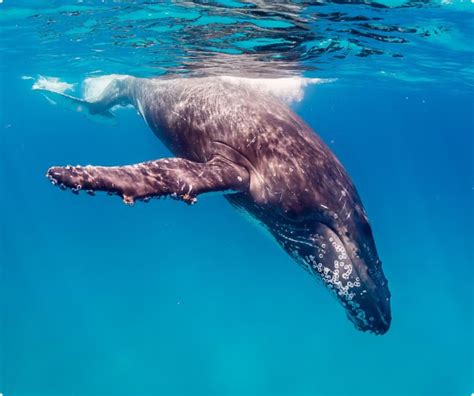
At the heart of this revival is Ningaloo Reef, located off the coast of Western Australia, renowned for its stunning biodiversity and unique marine experiences. The region’s whale season has become a beacon for adventure seekers, particularly at the Sal Salis Ningaloo Reef eco-lodge. Here, guests can indulge in a luxurious stay while having the chance to swim alongside majestic humpback whales. The lodge’s current promotion, offering a “Stay 3, Pay 2” deal, invites travelers to immerse themselves in the reef’s splendor from now until mid-November. With an emphasis on conservation, guests not only enjoy gourmet dining and comfortable accommodations but also contribute to the preservation of the reef’s delicate ecosystem. This approach aligns with the Western Australia Tourism Strategy, which emphasizes the importance of sustainable practices within the tourism sector.
The allure of Ningaloo lies not just in its stunning marine life but also in its commitment to responsible tourism. Visitors are encouraged to partake in manta ray snorkeling and learn about reef conservation efforts spearheaded by local marine ecologists and Indigenous guides. As travelers engage with these experiences, they help support the livelihoods of those dedicated to maintaining the reef’s biodiversity. In essence, tourism here transcends mere recreation; it becomes a vital form of stewardship for the environment.
Kakadu National Park offers a different yet equally captivating experience, steeped in Indigenous culture and natural beauty. AAT Kings has introduced substantial savings on their iconic outback tours, including the six-day “Kakadu’s Ancient Secrets” package. This journey allows travelers to explore ancient rock art at Ubirr, witness crocodiles in their natural habitat at Yellow Water Billabong, and trek beneath the towering escarpments of Arnhem Land. Recently, the reopening of Gunlom Falls has further enhanced Kakadu’s appeal, making it an unmissable destination for those seeking both adventure and cultural enrichment.
Kakadu is not merely a tourist destination; it serves as a cultural hub for Indigenous Australians, operated in partnership with Traditional Owners. The rise in interest for Aboriginal culture has made it the fastest-growing tourism product in Australia, appealing significantly to international visitors. This synergy between tourism and cultural heritage is invaluable, as it generates jobs and supports Indigenous communities, ensuring that the benefits of tourism are felt widely.
As travelers embark on these journeys into the heart of Australia, they also participate in a broader narrative of cultural appreciation and economic revitalization. The landscape of travel is shifting, emphasizing slow, meaningful experiences over mere sightseeing. This is epitomized by Cruise Traveller’s 15-night “Islands of Fire and Spice” expedition, which departs from Darwin and traverses to Bali, stopping at captivating islands like Timor and Komodo. With potential savings of up to $3,620 per guest, this cruise invites Australians to explore their regional neighbors while engaging with diverse island cultures and ecosystems.
Darwin, a key entry point to Asia, is witnessing a resurgence in cruise-related tourism, bolstered by government investment in port infrastructure and cultural sites. This forward-thinking approach positions Darwin as a strategic gateway for travelers looking to explore the Indo-Pacific region, fostering connections that extend well beyond Australia’s shores.

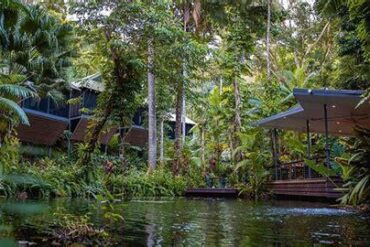
In contrast, Tasmania offers a different kind of wilderness experience, particularly through the Corinna Wilderness Village. Nestled in the mountains of Tasmania’s wild west coast, this eco-friendly retreat has launched a “Stay 3, Pay 2” winter package, encouraging visitors to embrace the natural beauty of Tasmania during the cooler months. With accommodations ranging from riverside cottages to historic miner’s huts, guests can engage in various activities such as kayaking, bushwalking, and wildlife spotting. This initiative is part of Tourism Tasmania’s strategy to enhance visitation during the off-peak season, providing economic opportunities for local communities year-round.
Tasmania’s focus on eco-tourism and small-scale hospitality not only ensures minimal environmental impact but also strengthens community ties. By supporting local employment and cultural storytelling, visitors contribute to a sustainable tourism model that preserves the pristine wilderness while enriching their own travel experiences.
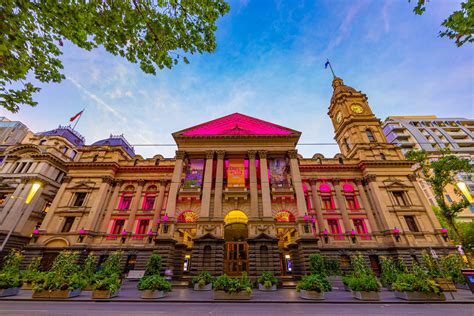
As the tourism landscape evolves, events across Australia are also playing a pivotal role in attracting visitors. In Melbourne, the National Gallery of Victoria is currently showcasing an exhibition featuring fashion icon Martin Grant, which draws art lovers and fashion enthusiasts alike. This initiative, backed by Victoria’s Creative State policy, highlights local talent and stimulates tourism for museums, hotels, and cafes.
Additionally, the Meet the Makers South Coast Festival in New South Wales celebrates local food, wine, and craftsmanship, while the Queenscliff Music Festival attracts thousands of visitors with performances from prominent Australian artists. These events not only bolster tourism in regional areas but also create employment opportunities and support local businesses, illustrating the multifaceted benefits of tourism.
Tourism remains a vital component of Australia’s economy, representing over 3% of the national GDP and employing more than 660,000 Australians. The current travel offers align with a national strategy aimed at redirecting visitor spending away from major cities, alleviating pressure on urban centers while promoting regional growth. By encouraging travelers to explore less frequented destinations, these deals not only make travel more accessible but also empower communities reliant on tourism for their livelihood.
In this post-pandemic era, the allure of travel goes beyond mere discounts; it embodies a vision of tourism that prioritizes sustainability, community engagement, and cultural exchange. As travelers venture to Ningaloo, explore Kakadu’s sacred lands, embark on cruises to remote islands, or immerse themselves in Melbourne’s vibrant arts scene, they actively participate in a transformative journey. This journey not only benefits local economies but also fosters a deeper appreciation for the natural world and the rich cultural heritage of Australia.
Ultimately, Australia’s 2025 travel offers represent more than just opportunities for adventure; they are a call to action for responsible tourism that cherishes the land, its people, and the shared stories that unite us all.