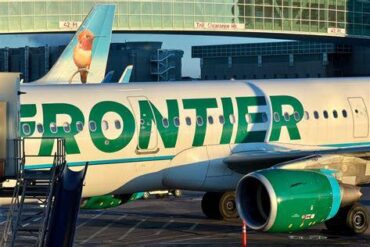
In a pivotal move marking the end of an era and the beginning of a bold new chapter, Frontier Airlines has appointed James G. “Jimmy” Dempsey as Interim Chief Executive Officer, replacing longtime CEO Barry L. Biffle. This leadership transition, effective December 15, 2025, signifies more than a routine executive change—it signals a strategic recalibration as the ultra-low-cost carrier (ULCC) navigates a rapidly evolving industry landscape.
A New Era Begins: From Biffle to Dempsey
Barry Biffle’s departure closes an influential 11-year tenure during which he steered Frontier through transformative growth, fierce competition, and post-pandemic turbulence. While Biffle will remain in an advisory role through December 31, the reins now rest with Dempsey, whose own journey with the airline began over a decade ago.
Dempsey’s appointment reflects deep internal trust and strategic continuity. Having joined Frontier in 2014 as Chief Financial Officer, he later ascended to the role of President, positioning him as a natural successor. Prior to his Frontier tenure, Dempsey honed his financial and strategic expertise at Ryanair Holdings, Europe’s titan of low-cost air travel, and global consultancy PricewaterhouseCoopers.
“Jimmy has been an invaluable member of Frontier’s senior leadership team,” said Bill Franke, Chair of the Board. “We believe he is uniquely qualified to guide our airline into the future.”
Strategic Continuity with a Fresh Perspective
Though interim by title, Dempsey’s leadership promises long-term strategic impact. His deep familiarity with Frontier’s inner workings and industry acumen are expected to steer the airline through both its immediate operational goals and future growth strategies. He inherits an airline at a pivotal crossroads—streamlining operations, adjusting flight schedules, and evaluating new customer offerings such as onboard Wi-Fi and premium cabin services.
“With 13 bases and a strong cost advantage, I believe Frontier is well positioned to deliver unrivaled value to customers across the United States,” Dempsey stated. “I am honored and excited to lead Frontier Airlines.”
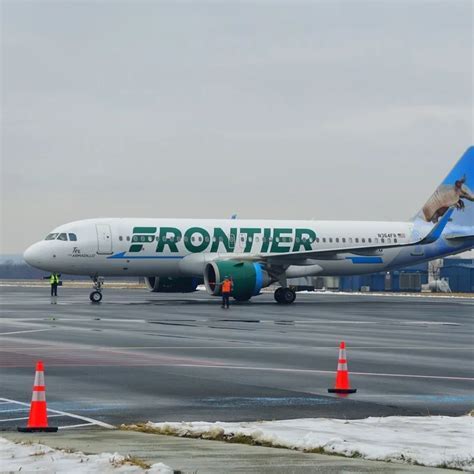
His optimism contrasts a subtle contraction in operations: Frontier’s scheduled flights for December 2025 are down 2.3% year-on-year. However, seat capacity has only declined by 0.5%, suggesting a strategic pivot toward larger aircraft rather than route reduction. It’s a subtle but telling move as Frontier braces for changing consumer demand and economic headwinds.
Frontier’s Fleet: Poised for Expansion Despite Flight Reductions
As of December 2025, Frontier operates a young and efficient fleet of 172 Airbus aircraft with an average age of just 6.6 years. This includes:
- 6 A320-200s
- 86 A320neos
- 21 A321-200s
- 59 A321neos
More notably, the airline has a massive backlog of 171 aircraft on order—149 A321neos and 22 A320neos—a clear indicator of long-term expansion intent despite near-term caution.
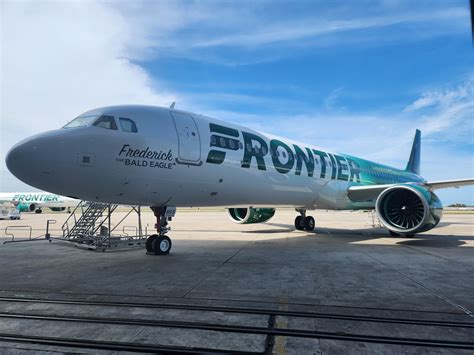
According to aviation analytics firm Cirium, 17,880 flights are scheduled for December 2025, offering a total of 3.77 million seats. The airline is emphasizing capacity consolidation over rapid expansion, likely in anticipation of enhancing unit economics while preparing for new customer experience features.
Biffle’s Legacy and the Board’s Transition Strategy
Biffle exits with the recognition of his pivotal role in shaping Frontier’s identity as a leading ULCC. Franke expressed deep gratitude: “The Board of Directors is deeply appreciative of Barry’s leadership and dedicated service. We thank him for his many contributions.”
Under Biffle’s leadership, Frontier grew from a regional budget carrier into a major ULCC with a national footprint, surviving industry shocks, regulatory hurdles, and failed mergers. His departure leaves a sizable void, but also a foundation for reinvention.
Looking Ahead: Amenities, Innovation, and Customer-Centric Moves
Dempsey’s remarks reflect a future-forward orientation. Frontier is actively exploring new amenities, most notably in-flight connectivity, a notable shift for a brand traditionally focused on cost-cutting and unbundled pricing.
The airline’s potential 2026 debut of Wi-Fi services, along with an examination of premium seating options, indicates a push to evolve beyond barebones travel while preserving price leadership.
“We strive to create long-term value for all stakeholders,” Dempsey noted, underscoring an intent to balance operational efficiency with customer experience enhancements.
A Competitive Landscape and Market Positioning
Frontier faces intense pressure from fellow ULCCs such as Spirit Airlines and Allegiant Air, as well as fare-cutting tactics from legacy carriers during off-peak travel seasons. Its cost structure remains among the lowest in North America, but evolving passenger expectations are reshaping the ULCC model.
By reinforcing operational reliability, exploring differentiated in-flight services, and maintaining its asset-light cost base, Dempsey must strike a delicate balance: stay true to Frontier’s value roots while adapting to a more experience-driven travel market.
Navigating Regulatory and Economic Turbulence
The next phase of Frontier’s journey won’t be without challenges. Macroeconomic uncertainty, volatile fuel prices, labor negotiations, and tightening aviation regulations are all poised to test the new CEO’s leadership.
Dempsey’s experience with Ryanair’s aggressive cost discipline and growth tactics in complex regulatory environments equips him well for the job. Ryanair’s playbook—lean operations, relentless route optimization, and a sharp focus on yield—may inspire Frontier’s next evolution, tailored for the U.S. market.
Conclusion: Turning the Page with Confidence
Frontier Airlines’ CEO transition represents not just a changing of the guard, but a strategic inflection point. With James Dempsey at the helm, the carrier signals its readiness to evolve and expand within the boundaries of its ULCC identity.
Armed with a young fleet, robust aircraft pipeline, and seasoned leadership, Frontier’s future hinges on how effectively it adapts to shifting consumer demands while preserving the ultra-low-cost DNA that defines its brand.
Dempsey’s challenge is clear: deliver value not just through price, but through service, reliability, and strategic innovation. If successful, this CEO shakeup could mark the beginning of Frontier’s most ambitious—and transformative—chapter yet.