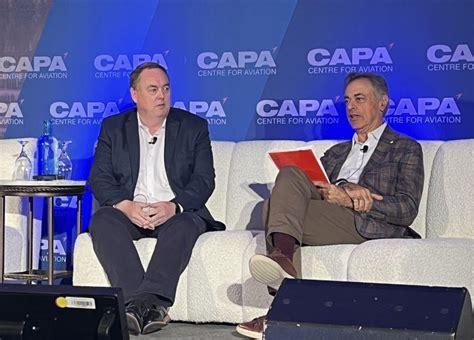
The ultra-low-cost carrier landscape in America stands at a critical juncture, with traditional business models facing unprecedented pressure from oversupplied markets, rising operational costs, and evolving passenger expectations. At the center of this transformation sits Frontier Airlines, which has officially appointed James Dempsey as its new chief executive officer, marking a pivotal moment that could determine the future viability of the ULCC model in the United States. Dempsey’s appointment represents more than a simple leadership change; it signals a strategic shift toward implementing proven European low-cost methodologies in the American aviation market.
The timing of Dempsey’s elevation from president to CEO couldn’t be more crucial for Frontier Group. Following the sudden departure of Barry Biffle, who had steered the airline since 2016, the company faces mounting financial pressures and market skepticism about the sustainability of its business model. However, Dempsey brings a unique qualification to this challenge: a decade-long tenure at Ryanair, Europe’s most successful low-cost carrier, where he gained intimate knowledge of the operational and financial strategies that have made the Irish airline the gold standard for ULCC operations globally.
The appointment comes at a time when the American domestic aviation market is experiencing a fundamental shift. Economy seat oversupply has driven down fare prices across the board, while simultaneously, travelers are increasingly demanding premium options and enhanced service levels. This paradox has created a challenging environment for ultra-low-cost carriers, which have traditionally competed primarily on price while offering minimal frills.
The Financial Challenge: Navigating Turbulent Profitability
Dempsey inherits an airline grappling with significant financial headwinds that have plagued Frontier since the pandemic disrupted global aviation. While the carrier managed to achieve a modest profit in 2024—its first positive result in several years—this brief respite proved short-lived as the airline slipped back into losses in 2025. The stark reality of Frontier’s financial position became evident in the first nine months of the year, when the company reported a staggering net loss approaching $190 million.
The market’s response to these financial struggles has been unforgiving. Frontier’s stock price has plummeted 41% year-over-year, reflecting investor pessimism about the company’s ability to navigate current market conditions successfully. Adding to the pressure, Bank of America recently downgraded both its evaluation of Frontier and its price target, signaling institutional skepticism about the airline’s near-term prospects under its current operational framework.
These financial challenges stem from a perfect storm of market conditions that have particularly impacted ultra-low-cost carriers. The oversupply of economy seats in the domestic market has created intense price competition, forcing airlines to compete on increasingly thin margins. Simultaneously, operational costs have surged across multiple categories, with labor expenses and maintenance costs rising significantly faster than revenue growth. This cost-revenue squeeze has made it increasingly difficult for ULCCs to maintain the razor-thin margins that their business models depend upon.
As a former chief financial officer who joined Frontier in 2016, Dempsey possesses intimate knowledge of the airline’s financial structure and cost base. This background positions him uniquely to implement the rigorous cost discipline necessary to return the airline to sustainable profitability. However, his challenge extends beyond simple cost-cutting measures; he must simultaneously guide the airline through a comprehensive strategic transformation while maintaining operational stability.
Implementing “The New Frontier” Strategy
The strategic transformation that Dempsey must execute represents one of the most comprehensive overhauls in recent ULCC history. “The New Frontier” strategy encompasses multiple operational and commercial changes designed to address the fundamental challenges facing the airline while positioning it for sustainable growth in an evolving market landscape.
Central to this transformation is a fundamental shift in network operations toward an “out-and-back” model, directly borrowed from Ryanair’s playbook. Under this approach, aircraft and crews return to their home base every night rather than staying overnight at destination airports. This operational change addresses multiple cost and efficiency challenges simultaneously, eliminating millions of dollars in hotel and per diem expenses while dramatically improving on-time performance by reducing the cascading effects of delays across the network.
The operational benefits of this model extend far beyond immediate cost savings. By ensuring that aircraft and crews begin each day from their home base, airlines can better manage irregular operations, reduce the complexity of crew scheduling, and maintain more consistent service levels. Ryanair’s success with this model has been well-documented, and Dempsey’s firsthand experience with its implementation provides Frontier with a proven roadmap for execution.
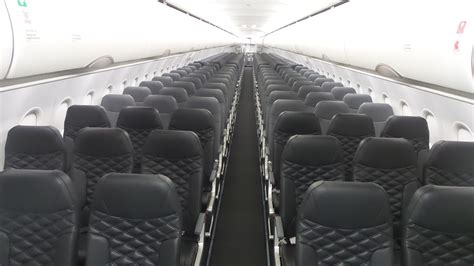
Revenue diversification represents another critical component of the transformation strategy. Frontier is actively working to expand beyond its traditional ultra-low-cost model by introducing premium offerings that cater to evolving passenger preferences. The upcoming launch of First Class seats, complementing the existing UpFront Plus offering with blocked middle seats, represents a significant departure from the airline’s historically spartan approach to passenger amenities.
The introduction of the Business Bundle offering specifically targets a market segment that has traditionally avoided ultra-low-cost carriers. By packaging essential business travel needs into a single ticket price, Frontier aims to attract cost-conscious corporate travelers and small business customers who have been deterred by the airline’s reputation for extensive ancillary fees. This bundling approach addresses one of the primary criticisms of the ULCC model while potentially increasing average revenue per passenger.
Leveraging Ryanair’s Proven Methodologies
Dempsey’s decade-long experience at Ryanair provides him with invaluable insights into the operational and financial strategies that have made the Irish carrier the most successful low-cost airline globally. His role as Group Treasurer at Ryanair exposed him to the sophisticated financial management techniques that allow ultra-low-cost carriers to operate profitably on extremely thin margins.
Risk management capabilities developed at Ryanair will prove particularly valuable as Frontier navigates volatile operating costs. Dempsey’s experience with fuel hedging strategies and currency exchange management directly addresses two of the most significant cost variables facing any international or domestic carrier. Given Frontier’s current struggles with rising operational and fuel costs, this expertise could prove instrumental in stabilizing the airline’s cost structure.
Asset financing represents another area where Dempsey’s Ryanair experience provides immediate value. Having managed the financing arrangements for a fleet exceeding 350 aircraft, he brings sophisticated understanding of aircraft financing, debt structuring, and capital management to Frontier’s ongoing fleet renewal program. The airline’s transition to the Airbus A321neo represents a significant capital commitment, and Dempsey’s ability to optimize the associated financing arrangements could substantially impact the airline’s long-term financial health.
Operational efficiency improvements based on Ryanair’s model are already evident in Frontier’s strategic planning. The target of achieving 90% or higher out-and-back flight operations directly mirrors Ryanair’s approach to network management. This operational philosophy prioritizes simplicity, reliability, and cost control over network complexity, allowing airlines to achieve higher aircraft utilization rates while maintaining superior on-time performance.
Ancillary revenue innovation represents perhaps the most critical area where Ryanair’s influence could transform Frontier’s financial performance. Dempsey witnessed firsthand how Ryanair converts low-fare passengers into high-value customers through sophisticated digital sales platforms and strategic upselling techniques. His specific target of doubling Frontier’s loyalty and ancillary revenue from $3 to $6 per passenger reflects this experience and could significantly improve the airline’s unit economics.
Strategic Market Positioning and Future Outlook
The timing of Dempsey’s appointment coincides with significant disruption in the ultra-low-cost carrier market, particularly the ongoing restructuring of Spirit Airlines. As Frontier’s primary competitor reduces its fleet by nearly 100 aircraft and exits multiple markets, opportunities emerge for Frontier to capture market share and expand its network presence. Dempsey’s strategic background positions him to capitalize on these market dynamics while avoiding the operational pitfalls that have challenged other carriers.
Board chairman Bill Franke’s confidence in Dempsey reflects recognition of both his technical capabilities and his understanding of Frontier’s unique market position. The emphasis on preserving the airline’s “industry-leading cost advantage” while executing strategic transformation requires a leader who understands both the operational mechanics of ultra-low-cost aviation and the financial discipline necessary to maintain competitive pricing.
The success of Dempsey’s leadership will ultimately be measured by Frontier’s ability to achieve sustainable profitability while adapting to evolving market conditions. His Ryanair background provides a proven template for ULCC success, but the American market presents unique challenges that will test his ability to adapt European strategies to domestic conditions. The integration of premium offerings with ultra-low-cost operations, the expansion of ancillary revenue streams, and the optimization of network efficiency represent critical benchmarks for measuring progress.
As the aviation industry continues to evolve, Dempsey’s appointment at Frontier represents a fascinating test case for whether European ultra-low-cost methodologies can successfully transform American budget aviation. His unique combination of Ryanair experience and intimate knowledge of Frontier’s operations positions him as perhaps the most qualified executive to attempt this transformation, making his tenure one of the most closely watched leadership appointments in recent aviation history.