On July 8th, 2025, Ryanair marked a powerful milestone in aviation history—the 40th anniversary of its very first commercial flight. What began as a modest route between Waterford Airport in southeast Ireland and London Gatwick would become a symbol of disruptive change in the global airline industry. In an era where flying was considered a luxury, Ryanair shattered that perception, reshaping budget aviation, improving regional connectivity, and playing a pivotal role in the democratization of global travel.
The First Flight That Sparked a Travel Revolution
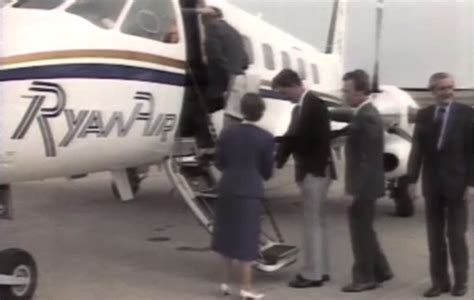
It was Monday, July 8th, 1985, when a 15-seat Embraer Bandeirante, a turboprop aircraft built in Brazil, lifted off from Waterford Airport. Onboard were a handful of passengers and a business vision that few could have predicted would eventually redefine the economics of flying. That flight to London Gatwick wasn’t merely an experiment—it was an ambitious leap.
In its first week, the new route saw bookings surge 40% beyond expectations. The public’s response highlighted an untapped demand for accessible international air travel from smaller, underserved regions. It was proof that the thirst for affordable international connectivity existed even in what the industry had previously labeled as peripheral markets.
From Near Collapse to Global Model: The Fare Slash Gamble
The enthusiasm from Waterford, however, couldn’t shield Ryanair from the brutal realities of running an airline in a tightly regulated and highly competitive market. After a shaky start, Ryanair teetered on the edge of financial failure. Yet, rather than surrender, the company took a radical, almost unthinkable step—it slashed fares across its Irish Sea routes. This aggressive pricing strategy, ridiculed by traditional carriers at the time, became Ryanair’s lifeline.
By focusing on ultra-low-cost operations, Ryanair pioneered a new era in air travel. What had once been an elite service was suddenly within reach for students, families, and budget-conscious travelers. In its first year, Ryanair flew just 5,000 passengers. Today, a Ryanair aircraft takes off every 13 minutes somewhere on Earth, serving over 150 million passengers annually. This meteoric rise is not just a business success story—it’s a seismic shift in the accessibility of air travel.
Waterford’s Moment of Glory and Economic Ripple Effect
Local travel agent Sean Power, of Harvey Travel in Waterford, vividly recalls the buzz that swept through the town. For residents in southeast Ireland, the ability to fly directly to London was transformational. Prior to 1985, travelers had to endure long, winding roads to Dublin Airport. The new direct route eliminated that hassle and unlocked economic and personal mobility that previously seemed unattainable.
Beyond individual freedom, the flight catalyzed local economic opportunities. Waterford businesses could more easily connect with UK partners, and the regional tourism industry received a much-needed boost. Travel packages, bundling flights with hotel stays, began to emerge—positioning Waterford not just as a departure point, but as a destination worth visiting.
Infrastructure and the Politics of a Runway Revival
Waterford Airport’s ambitions preceded Ryanair’s arrival. In 1982, the Irish Department of Transport and Power had already granted the airport a license for international operations. This strategic certification aimed to open Ireland’s southeastern corridor to the world.
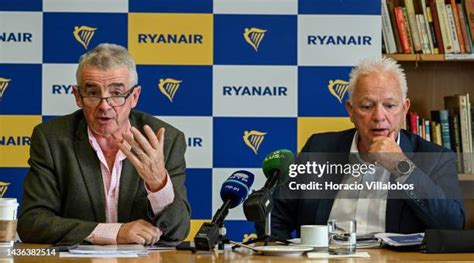
Yet despite the historic association, Ryanair’s future at Waterford remains uncertain. Earlier in 2025, CEO Michael O’Leary, known for his outspoken candor, poured cold water on local hopes for renewed service. He referred to runway upgrade advocates as “local lunatics” seeking government handouts. However, O’Leary later walked back the remarks slightly, suggesting that if the runway were extended and costs stayed low, Ryanair might consider reinstating limited flights.
The Irish Department of Transport has since requested a new business case to justify the infrastructure expansion. The project would involve extending the current runway to accommodate larger aircraft like the Boeing 737—a necessary move if Ryanair were to return. The decision now rests with policymakers balancing regional development and fiscal prudence.
Ryanair’s Business Model: A Blueprint for the World
Ryanair’s approach has since inspired countless low-cost carriers across the globe, from easyJet in the UK to AirAsia in Malaysia and Spirit Airlines in the United States. Its model is built on a series of uncompromising principles:
- Point-to-point service without relying on costly hub operations.
- Use of secondary airports to reduce landing and handling fees.
- High aircraft utilization and quick turnaround times.
- An unapologetically no-frills offering, where passengers pay only for what they use.
These components allowed Ryanair to cut operational expenses dramatically and pass those savings on to passengers. The airline didn’t just change how people fly—it changed what people expect when they book a flight.
Regional Connectivity and the Democratization of Travel
Ryanair’s 1985 debut flight carried symbolic weight beyond Waterford. It signaled that regional airports could become serious players in international aviation. With the right strategy and support, even modest terminals could generate economic momentum and open doors for outbound and inbound travel alike.
In the decades since, Europe has witnessed a proliferation of short-haul regional flights, many sparked by Ryanair’s playbook. Cities previously invisible on international flight maps are now connected daily to major destinations, allowing cultural exchange, cross-border commerce, and tourism growth.
Ryanair didn’t just democratize prices—it democratized destinations.
Challenges and Controversy: Not Without Turbulence
Despite its achievements, Ryanair has faced its share of criticism. From labor disputes and accusations of unfair working conditions to customer service challenges and environmental concerns, the airline has consistently made headlines—both good and bad. Yet, part of its staying power lies in its ability to adapt, respond to market shifts, and stay unapologetically committed to its low-cost mission.
In recent years, Ryanair has also taken steps toward sustainability, investing in more fuel-efficient aircraft like the Boeing 737 MAX 8-200 and exploring sustainable aviation fuel (SAF) partnerships. The company now markets itself not just as Europe’s cheapest airline, but one of its greenest per passenger-kilometer.
Legacy and the Future of Budget Aviation
The impact of that first Ryanair flight in 1985 continues to echo through the skies. It showed that innovation in aviation doesn’t always come from big airports or national carriers. Sometimes, it comes from a tiny airfield in Waterford, a small plane, and a business model born of desperation and vision.
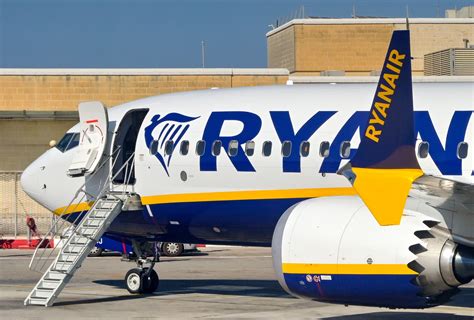
Today, with Europe’s airspace saturated by budget carriers, Ryanair remains the continent’s largest airline by passenger volume. It operates more than 3,000 daily flights to over 230 destinations in 37 countries. The philosophy that began with a 15-seater plane is now carried forward by a fleet of more than 500 Boeing aircraft.
Conclusion: A Modest Beginning, A Global Legacy
As Ryanair commemorates 40 years since its historic launch from Waterford to London, the world is reminded of how one daring flight changed the landscape of international travel. Whether Ryanair ever returns to Waterford is a question for policymakers, business strategists, and infrastructure planners. But what’s unquestionable is that the DNA of modern air travel—its accessibility, its affordability, its flexibility—was forever altered on that warm summer day in 1985.
Every time a traveler grabs a cheap seat on a short-haul flight, they are part of a movement that began with Ryanair. And while the runway at Waterford may be short, its contribution to aviation history stretches far beyond Ireland’s southeastern coast.