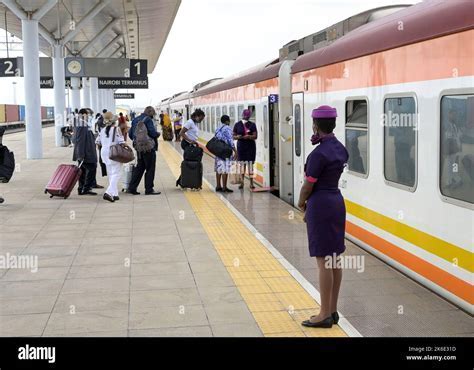
On June 10, 2025, Kenya Railways marked a significant chapter in its modern rail legacy: the eighth anniversary of the Madaraka Express. The occasion, hosted at the Nairobi Terminus, served as both a moment of reflection and a declaration of the corporation’s future ambitions. Dignitaries from Kenya and abroad—including H.E. Ambassador Guo Haiyan of China—gathered to commemorate a rail service that has redefined national connectivity and regional logistics in under a decade.
The Inception of a Nation-Changing Rail Service
Launched in 2017, the Madaraka Express quickly ascended from an infrastructural experiment to an essential backbone of Kenya’s transportation grid. Designed under the broader framework of the Standard Gauge Railway (SGR) project, it was a symbol of modern ambition and technological advancement. Initially operating a single express passenger service, the railway evolved to accommodate a range of operations that span from inter-county stops to night-time rides and cargo logistics.
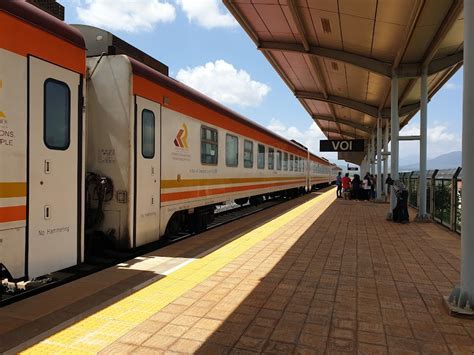
In its eight years of continuous service, the line has transported more than 15.3 million passengers and moved 39.78 million tonnes of cargo. The numbers only scratch the surface of its deeper impact—stimulating trade, decentralizing access to urban opportunities, and reducing congestion in major ports like Mombasa.
Freight Expansion: The Unsung Hero of Kenya’s Supply Chain
While public attention initially fixated on the passenger experience, it is in freight logistics that the Madaraka Express has truly transformed Kenya’s economic dynamics. The SGR’s freight arm has alleviated pressure on Kenyan roads, shortened turnaround times at the Port of Mombasa, and attracted investment in inland logistics hubs.
Aided by the introduction of 300 new freight wagons, Kenya Railways has optimized cargo movement efficiency, providing direct routes from Mombasa to Inland Container Depots (ICDs) in Nairobi and beyond. This initiative supports Kenya’s growing regional trade role, facilitating smooth cross-border commerce to Uganda, Rwanda, and South Sudan.
Kenyanization of the Workforce: A Model of Inclusive Development
Perhaps one of the most transformative elements of the Madaraka Express has been its impact on local employment and skills development. With over 97% of its workforce now composed of Kenyan nationals, the SGR is not just a rail service—it is a training ground for the next generation of engineers, technicians, and administrators.
From train operations to infrastructure maintenance, Kenyans now hold critical roles that were initially outsourced. This local empowerment has also led to increased ownership, improved accountability, and a knowledge transfer that will benefit national projects far beyond the railway.
The China-Kenya Partnership: A Strategic Infrastructure Alliance
The celebration’s international dimension was underscored by the attendance of Chinese Ambassador Guo Haiyan, who praised the Madaraka Express as a flagship project of the Belt and Road Initiative (BRI). This initiative, China’s global infrastructure strategy, has in Kenya translated into a tangible upgrade of national capabilities.
Ambassador Guo highlighted that the SGR is not merely about transport; it is about “carrying trust and hope” between two countries. This partnership has enabled technological advancement and financial support for infrastructure that would have otherwise taken decades to materialize.
Moreover, China’s continued backing of SGR expansions positions Kenya as a hub of regional transit, linking Eastern Africa to global markets through improved rail-sea-air synergy.
Celebrating Excellence: Recognizing Supporters and Stakeholders
During the anniversary event, Kenya Railways took the opportunity to honor the individuals and organizations that have been integral to the SGR’s success. Awards were presented to loyal passengers and major freight clients, acknowledging their contributions with commemorative token tickets.
This thoughtful gesture reflected a culture of appreciation and collaboration that Kenya Railways seeks to promote—positioning the corporation not just as a service provider, but as a partner in national development.
Onward to Expansion: The Vision of Phases 2B and 2C
The current success of the Madaraka Express is only the beginning. Kenya Railways’ roadmap for the future is anchored in two key expansions: Phase 2B and Phase 2C. These upcoming projects aim to extend the line from Naivasha to Kisumu (2B), and then onward to Malaba on the Ugandan border (2C). Together, these extensions are expected to:
- Improve access to Lake Victoria ports, bolstering water-rail trade networks.
- Connect landlocked countries in East Africa with the Indian Ocean.
- Reduce travel time and logistics costs, strengthening Kenya’s competitiveness.
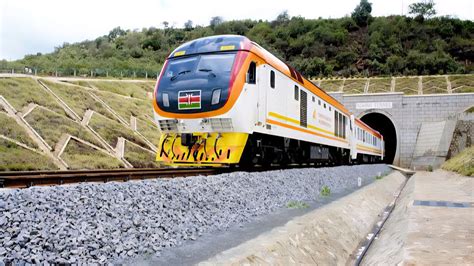
Once completed, this extended rail corridor will serve as an artery of economic integration, encouraging new investment zones along the route and easing intra-regional passenger mobility.
Sustainable Growth and Environmental Responsibility
Beyond speed and volume, the Madaraka Express has introduced more environmentally responsible transportation options. By shifting bulk cargo from road to rail, Kenya reduces carbon emissions, highway wear and tear, and accident rates.
The electrification of future rail segments, already under study, would further cement Kenya’s leadership in green infrastructure development in Africa. Combined with optimized logistics and low-emission train designs, the expansion of the SGR presents a future where economic growth and environmental sustainability co-exist.
Enhancing the Passenger Experience: Comfort Meets Connectivity
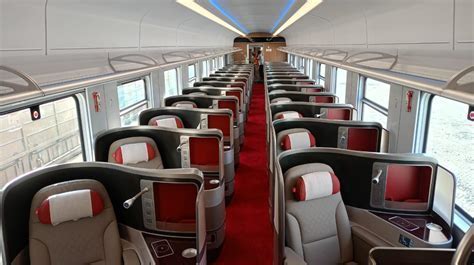
In line with its vision for modernization, Kenya Railways has invested in Premium Class coaches, enhancing passenger comfort with spacious seating, Wi-Fi, and onboard services. These innovations not only meet rising expectations but also attract middle- and upper-income travelers who may have otherwise opted for air travel.
Madaraka Express trains also offer Afternoon and Night services, giving passengers flexible and safe travel options across Kenya. Such enhancements underline Kenya Railways’ shift from a purely logistical utility to a customer-focused transport ecosystem.
Strategic Alignment with National Development Goals
The Madaraka Express expansion ties directly into Kenya Vision 2030, the country’s blueprint for middle-income status. Efficient transport links are critical enablers for this goal—reducing the cost of doing business, improving access to jobs and markets, and attracting tourism.
The ongoing modernization of the railway network, in sync with upgrades to highways, ports, and airports, supports a multimodal transportation system that will be pivotal to Kenya’s industrialization and trade agenda.
A Legacy in Motion
As Kenya Railways marks eight years of transformative service through the Madaraka Express, the legacy it builds is not just in steel and stations, but in the lives touched, the markets opened, and the ambitions inspired. This is no longer just a railway project—it is a national narrative in motion, connecting Kenya’s past with its boundless future.
From a single passenger service to a thriving continental artery of commerce and connectivity, the Madaraka Express stands as a blueprint for what visionary planning, international cooperation, and national resolve can achieve.
With ambitious plans ahead, robust local participation, and growing global attention, the next chapter of the Madaraka Express promises to be even more transformative than the last.