Indian Railways has rolled out a groundbreaking policy designed to address overcrowding and streamline the ticket booking system. This new guideline establishes a cap on waiting list tickets at 25% of the total available berths across all train categories, including AC First, AC Second, AC Third, Sleeper, and Chair Car. This reform is now active throughout all major railway zones, marking a significant step towards enhancing the passenger experience and improving operational efficiency.
A Standardized Approach for Waiting List Tickets Across the Network
In the past, Indian Railways allowed a high number of waiting list tickets for each class of travel, which often led to confusion and frustration among passengers. For instance, long-distance trains frequently had up to 300 waiting list spots in AC coaches and as many as 400 in Sleeper coaches. Such an overload created chaotic booking situations and uncertainties regarding berth availability, particularly during peak travel times. The introduction of this new policy significantly reduces waiting list tickets, now capped at 25% of the total train capacity. This change makes the system more transparent and predictable, providing passengers with greater clarity regarding seat availability.
Passengers will now face fewer uncertainties about their travel plans, as the reduced number of waiting list tickets encourages early booking while limiting last-minute overcrowding. Consequently, travelers can make more informed decisions regarding their journeys. Furthermore, the policy includes specific reserved quotas for senior citizens, women, and passengers with disabilities, ensuring equitable treatment for these groups across all train services. Such uniformity is crucial for making the booking process smoother and more accessible for all types of passengers.
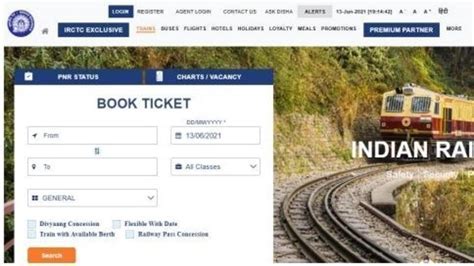
Enhancing Travel Experience Through Predictability and Reduced Overcrowding
One of the primary goals of this new policy is to tackle long-standing overcrowding issues within the railway system. By limiting the number of waiting list passengers, Indian Railways aims to alleviate last-minute surges in demand that frequently result in uncomfortable and unsafe travel conditions. The policy is crafted to ensure more predictable train services, offering a clearer system for booking and berth allocation.
While travelers may initially find the competition for tickets a bit more intense, the overall outcome is anticipated to be an improved comfort level and diminished disputes over seat availability. With fewer waiting list tickets in circulation, railway stations can better manage passenger flow, thereby reducing congestion and facilitating a smoother boarding process. This clarity not only enhances the travel experience but also minimizes the likelihood of canceled or rescheduled trips due to overbooking.
Moreover, passengers will have an easier time understanding the availability of train seats, which ultimately boosts their booking experience. The initiative is geared toward providing a more organized and streamlined system, allowing travelers to plan ahead with greater certainty.
Improved Service Quality and Operational Efficiency
This reform forms part of a broader modernization strategy aimed at improving passenger services and operational efficiency across the Indian Railways network. By limiting the number of waitlisted travelers, Indian Railways intends to foster a better-managed environment with fewer last-minute disruptions. This shift is expected to enhance both service quality and punctuality—two critical factors for customer satisfaction.
With the reduction in waiting list passengers, Indian Railways anticipates improved boarding management, ultimately decreasing passenger frustration and enhancing the overall travel experience. Additionally, fewer disputes over seat availability should streamline the boarding process, making it less stressful for both railway staff and passengers.
A Unified Booking System for All Zones
Previously, each railway zone operated its own method for handling waiting list tickets, resulting in inconsistency and confusion for passengers traveling between different regions. The newly introduced policy implements a standardized national rule for managing waiting list tickets, ensuring that all passengers experience the same booking process, regardless of which zone they travel through. This unification creates a more cohesive and efficient system for managing train travel across the country.
Travelers will no longer need to navigate different ticketing rules in various zones, as the new system provides a clear and unified approach to seat allocation. This significant improvement not only enhances the booking experience but also fosters a sense of trust and reliability in the Indian Railways system.
Conclusion: A More Efficient and Predictable Rail Network
The new waiting list policy introduced by Indian Railways represents a pivotal step towards enhancing both the efficiency and the passenger experience across the entire network. By capping the number of waitlisted travelers and establishing a standardized system for booking, Indian Railways ensures a more organized, predictable, and comfortable travel experience for its passengers. This reform is part of ongoing efforts to modernize the railway system and improve operational performance, ultimately aiming to reduce overcrowding and elevate service quality.
Through this strategic initiative, Indian Railways is advancing toward creating a safer, more efficient, and user-friendly travel environment for millions of people across the nation.