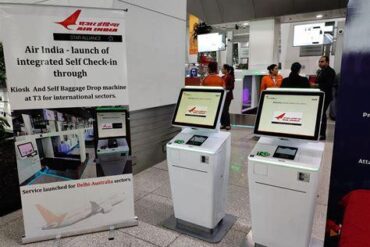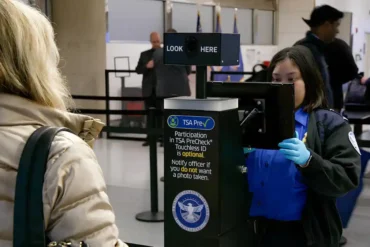
Vietnam is taking a monumental leap into the future of air travel by embracing biometric check-in systems, joining forces with aviation giants like the United States, Germany, and the UAE. This strategic move is designed to enhance both speed and security for passengers, making the travel experience more efficient and streamlined. The implementation of advanced facial recognition technology at airports marks a significant milestone in Vietnam’s ongoing efforts to modernize its aviation sector. By adopting these innovative systems, the country is not only improving the passenger experience but also reinforcing its position as a leading player in global aviation innovation.
The biometric check-in system, which utilizes facial recognition, allows passengers to bypass traditional manual checks and document verifications, drastically reducing wait times and enhancing overall airport efficiency. This initiative aligns with a growing trend seen in airports worldwide, where biometric solutions are revolutionizing travel by minimizing human error and maximizing safety. Vietnam’s first step in this digital transformation began with the launch of the VNeID system at Tân Sơn Nhất International Airport in Ho Chi Minh City, which is expected to be rolled out across other airports in the country in the near future.
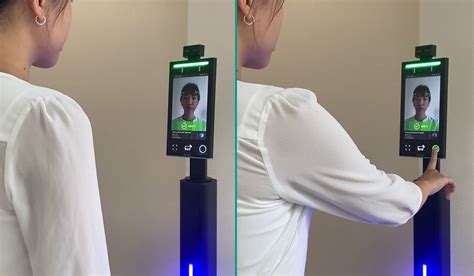
As countries around the globe continue to adopt these systems, Vietnam’s efforts signify a commitment to enhancing technological infrastructure. The VNeID system integrates cutting-edge technology with the country’s existing digital framework, thereby creating a seamless travel experience that benefits both domestic and international passengers. The speed and security enhancements offered by these systems are crucial in today’s fast-paced world, where efficiency is paramount.
Global Airports Embrace Biometric Technology
Vietnam’s integration of biometric systems is part of a larger global movement toward digitization in air travel. Various international airports have already begun utilizing similar technologies to enhance the passenger experience:
- United States: Airports like Hartsfield-Jackson Atlanta International Airport and Los Angeles International Airport are pioneers in biometric integration. Delta Air Lines, for instance, has implemented a facial recognition system that allows passengers to check in and board flights without needing physical documents, significantly reducing processing times.
- Germany: At Frankfurt Airport, travelers enjoy a seamless experience thanks to fully integrated biometric check-ins. This system improves accuracy in identity verification and minimizes wait times, setting new standards in airport efficiency.
- Japan: The ARINC SelfPass biometric solution at Tokyo Haneda Airport streamlines multiple processes, including check-in and boarding, showcasing Japan’s commitment to modernizing air travel.
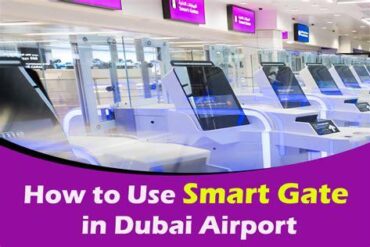
- United Arab Emirates: Dubai International Airport has introduced Smart Gates that utilize facial recognition technology, allowing travelers to pass through immigration swiftly while ensuring top-notch security.
- Singapore: Known for its world-class facilities, Changi Airport is automating 95% of its immigration processing by 2026, leveraging biometric technology to create a frictionless travel experience.
Vietnam’s efforts to implement biometric systems mirror these advancements, reflecting a commitment to adopting best practices from leading aviation hubs around the world. This collaboration not only enhances the security and efficiency of the travel experience but also prepares Vietnam to handle the increasing volume of air travelers.
The Future of Air Travel: A Digital Revolution
The adoption of biometric technology signals a transformative shift in the aviation industry. As more airports integrate these systems, the future of air travel will become increasingly digital, offering passengers a smoother, faster, and more secure journey. The widespread use of facial recognition and other biometric systems is poised to redefine the airport experience, benefiting both travelers and airlines alike. With Vietnam stepping up to embrace these advanced technologies, it is clear that the landscape of air travel is evolving.
In conclusion, Vietnam’s adoption of biometric check-in systems represents not just a technological upgrade but a significant step towards a smarter, more secure, and more connected future in air travel. By aligning itself with global leaders in the aviation sector, Vietnam is well-positioned to lead the charge in digital travel solutions, ensuring that passengers enjoy a seamless, efficient, and secure journey. As the world moves towards more integrated biometric systems, Vietnam’s role in shaping the future of air travel will undoubtedly become increasingly prominent.