As American Airlines braces for its busiest summer in history, the carrier is rolling out a powerful wave of digital innovations aimed at transforming the passenger journey. With over 715,000 scheduled flights between May 16 and September 2, 2025, the airline is leveraging artificial intelligence, biometric verification, and a fully refreshed mobile app experience to handle record demand. This summer marks not just a surge in travel—but a shift toward intelligent, real-time service architecture across the American Airlines network.
AI-Powered Rebooking Reduces Disruption Time to Seconds
At the heart of American’s technological arsenal is a generative AI-driven rebooking system—a tool built to tackle one of air travel’s biggest headaches: delays and cancellations. Now live on both the airline’s website and mobile app, this innovation empowers passengers to manage travel disruptions with unprecedented autonomy.
When flights are delayed due to weather or operational issues, customers receive rebooking options in real time. The system proposes alternate flights, available seats, and gate assignments within seconds, eliminating the need for long hold times with call centers or airport desk queues. Since its rollout in June 2025, the AI system has assisted more than 200,000 travelers, especially during severe weather events that impacted operations on the U.S. East Coast.
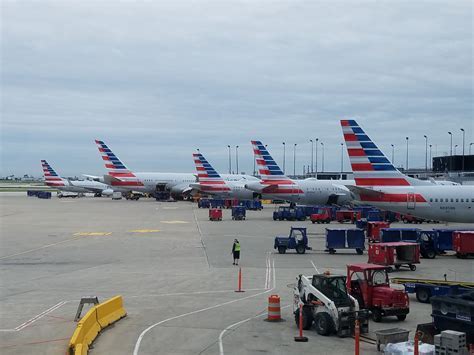
By drastically slashing resolution time, this tool isn’t just reducing stress—it’s redefining what responsiveness means in modern aviation. The system draws on real-time schedule data, aircraft positioning, and customer preferences to offer optimal solutions without human intervention.
Dynamic Flight-Hold System Rescues Missed Connections
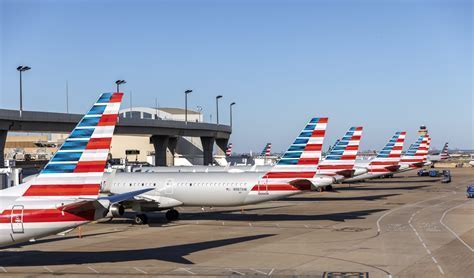
Another critical addition to American’s toolkit is its proprietary AI-based flight-hold technology, now in action at major hubs such as Dallas Fort Worth (DFW) and Charlotte Douglas International Airport. This tool evaluates whether outbound flights can be held briefly for connecting passengers from delayed inbound flights, without causing a domino effect on network punctuality.
Instead of leaving connecting passengers stranded, the system analyzes variables such as incoming passenger load, downstream aircraft availability, and air traffic control limitations. This micro-delay strategy has already prevented thousands of missed connections, offering a lifeline to those affected by minor delays.
The carrier has confirmed that this tool will expand to Chicago O’Hare, Miami, and Phoenix by August, creating a broader safety net across key transfer hubs.
Mobile App Revamp: Real-Time Data on Lock Screens
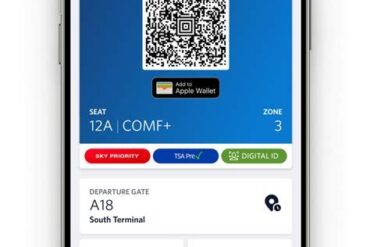
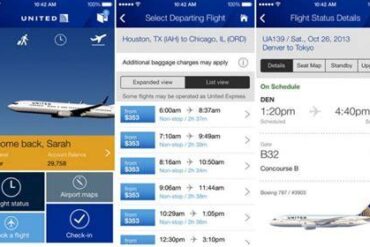
For travelers who rely on their smartphones for navigation through the terminal maze, American Airlines has upgraded its mobile app with real-time lock screen updates. Integrated with Apple’s iOS 17 Live Activities, the app now sends push notifications directly to the lock screen, relaying vital information including:
- Gate changes
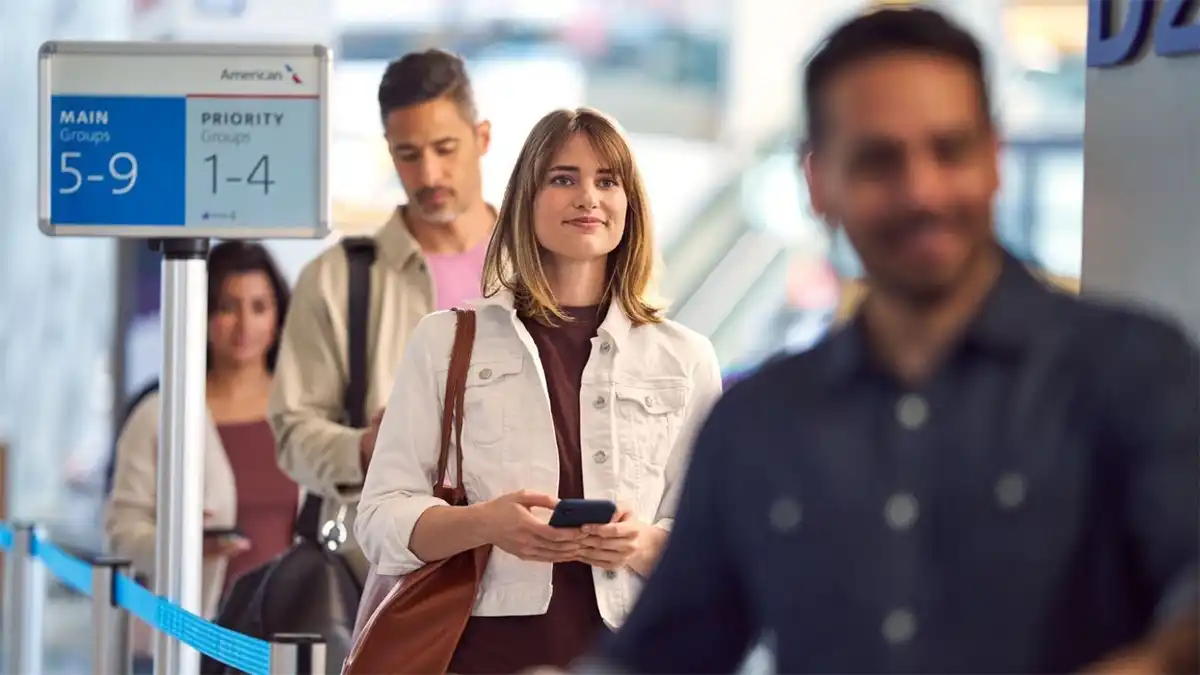
- Boarding group updates
- Standby list status
- Baggage tracking
Android users won’t be left behind. A beta version offering identical features will be available by August 2025, marking the first time both platforms will have full lock-screen functionality without requiring users to manually open the app.
This shift reflects a broader trend in aviation: transforming the smartphone into a dynamic travel dashboard. For time-sensitive situations—especially with gate changes or tight connections—this feature could mean the difference between catching a flight and watching it taxi away.
Biometric Screening: Speed Meets Security
American Airlines is aggressively expanding its Touchless ID biometric screening program across the U.S., using facial recognition to streamline both TSA security and boarding processes. Originally tested at Washington Reagan, Atlanta Hartsfield, and LaGuardia, the system is now live at Miami, DFW, and Chicago O’Hare, with LAX set to join in early August.
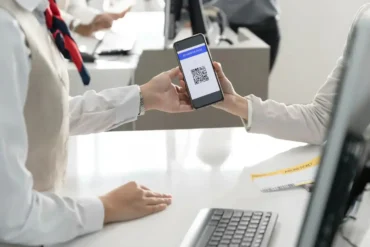
Passengers simply walk up to the boarding gate, scan their face, and board—no passport or boarding pass needed. By matching a traveler’s facial features with their government-issued ID on file, the system reduces processing time by up to 35%, according to figures from the TSA and CBP.
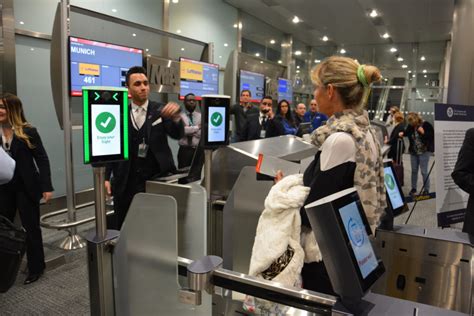
This facial recognition initiative also supports privacy protections, with AA adhering strictly to Department of Homeland Security (DHS) transparency rules. Data is encrypted, not stored long-term, and usage is opt-in only. As part of its 2026 goal, American plans to roll out biometric gates to all domestic terminals, creating a seamless curb-to-gate flow.
Smarter Self-Check-In for Families and Groups
To reduce congestion in bustling airport terminals, American has overhauled its self-service kiosks across 20+ domestic airports. The new interfaces allow for:
- Check-in in under two minutes
- Seat selection
- Baggage tag printing
- Group check-ins for families and business travelers
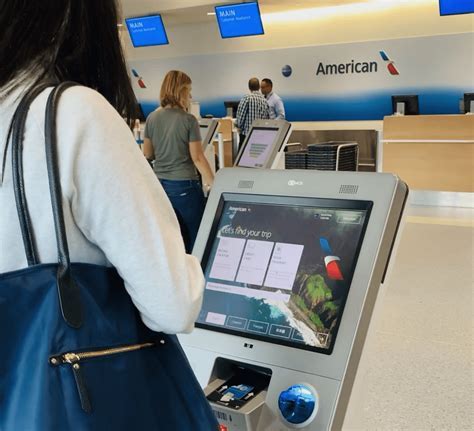
Especially helpful for parents or corporate groups, the group check-in feature streamlines coordination and eliminates the need to repeat individual steps for each passenger. Pay-at-curb customers also benefit from smoother processing, often bypassing interior counters altogether for direct bag drop and security.
Scaling Infrastructure to Handle Surging Demand
The technological updates aren’t cosmetic—they’re designed to support a historic surge in passenger numbers. On July 14, 2025, American Airlines is operating more than 6,800 flights—the most in its history for a single day. Key hubs like Chicago O’Hare and Phoenix Sky Harbor are seeing 20% higher capacity compared to the same day in 2024.
New domestic destinations added for the summer include Savannah, Santa Fe, and Nashville, while international travelers can now enjoy more frequent service to Barcelona, Cancún, and Montego Bay. These expansions are made possible by streamlined ground operations and faster passenger flow made possible by the very systems now rolling out across AA’s network.
Executive Vision: The Digital Travel Ecosystem
Ganesh Jayaram, Chief Digital & Information Officer at American Airlines, emphasizes that these innovations are part of a long-term digital roadmap:
“Our aspiration is to get flying on American as second-nature as it is with any world-class digital product in daily life. Travel has to be smart, interactive, and intuitive—and that’s exactly what we’re building.”
This statement aligns with the company’s multi-year investment in digital transformation, a plan that reaches far beyond summer 2025. Upcoming developments include:
- Predictive maintenance powered by AI to reduce mechanical delays
- Contextual chatbots for faster, smarter customer service
- Full biometric boarding gate coverage across domestic terminals by 2026
- Voice assistants integrated into smart home devices for itinerary updates

In parallel, the airline continues to collaborate with federal agencies to ensure responsible data handling and transparent facial recognition practices, laying the groundwork for scalable, ethical innovation.
Conclusion: American Airlines Sets the Digital Benchmark for Aviation
The sweeping updates introduced by American Airlines this summer represent a paradigm shift in how we experience air travel. From AI-powered rebooking tools that prevent chaos during cancellations, to biometric verification that transforms airport navigation, the airline is not merely reacting to record demand—it is anticipating the next era of aviation.
With 6,800 flights daily, new domestic and international routes, and a smartphone app that acts as your boarding pass, assistant, and concierge all in one, American Airlines has set a new standard for responsiveness and reliability. More than convenience, these systems reflect a future where automation and intelligence redefine the air travel experience.
In a world of overbooked flights, long queues, and tight connections, American Airlines is betting on data, design, and digital vision to win traveler loyalty—and they just might succeed.