Canada has taken a bold step into the future of global air travel, aligning itself with Qantas and Virgin Australia as the airlines unveil smart boarding passes built on Apple’s revolutionary iOS 26 update. This new digital travel solution seamlessly integrates live flight tracking, baggage monitoring, and airport navigation into Apple Wallet, setting the stage for a transformative passenger experience.
Canada at the Forefront of Digital Travel Innovation
In a landmark collaboration that positions Canada as a pioneer in smart travel infrastructure, the country becomes one of the first to benefit from Qantas and Virgin Australia’s deployment of Apple’s iOS 26-powered boarding passes. The timing is no accident—Canada’s bustling international gateways such as Toronto Pearson International Airport, Vancouver International Airport, and Montréal-Trudeau are ideal testing grounds for high-tech travel solutions.
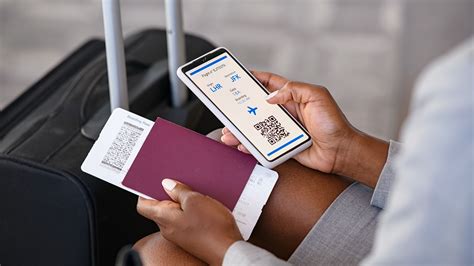
The implications are profound. With millions of passengers flying in and out of Canadian airspace annually, the streamlined convenience of real-time notifications and integrated airport navigation reduces the traditional pain points of air travel—missed updates, disorganized documents, and stressful boarding queues.
The iOS 26 Revolution: Transforming How Travelers Interact with Flights
The heart of this innovation lies within Apple’s iOS 26, a system-wide update launching in September 2025. One of the standout features is ‘Live Activities’, which allows critical travel information to be displayed directly on the iPhone lock screen. Travelers no longer need to dig through apps or emails—gate changes, departure times, and flight delays are presented with clarity and immediacy.
This deep integration is a game-changer. Unlike third-party apps such as Flighty, which offer excellent yet isolated features, iOS 26 embeds functionality into the core of the iPhone experience. Flight tracking becomes a native feature—smooth, automatic, and accessible to every iPhone user.
Real-Time Travel, Real Peace of Mind
Apple’s smart boarding passes eliminate uncertainty. With push notifications for boarding, real-time flight changes, and arrival estimates, passengers are kept constantly in the loop. Equally important is the ability to share live flight status with family and friends—ideal for coordinating airport pickups or keeping loved ones informed.
But the innovation doesn’t stop at flight status. Thanks to the integration with Apple Maps, travelers can navigate sprawling terminals with precision. Whether finding a gate, lounge, or nearest café, Apple’s ecosystem reduces friction from the moment you step into the airport.
Smarter Baggage Tracking: AirTags Meet Apple Wallet
The notorious anxiety around checked baggage is finally being addressed. With the new system, Apple leverages its Find My app and AirTag technology to display bag location directly within the boarding pass interface. No app-switching, no guesswork—just live updates on where your luggage is, down to the carousel.
This tight integration ensures that even if a bag takes a detour, travelers remain informed and empowered. As Air Canada and other major carriers adopt the technology, tracking luggage will become as intuitive as checking the weather.
Airline Ecosystem Embraces the Future
Canada isn’t the only player in this technological renaissance. Joining the ranks of forward-thinking carriers are:
- Air Canada
- American Airlines
- Delta Air Lines
- JetBlue
- Jetstar
- Lufthansa Group
- Qantas
- Southwest Airlines
- United Airlines
- Virgin Australia
These airlines are at the frontline of adopting Apple’s new iOS features, signaling a broader shift in aviation’s approach to digital customer experience. For these carriers, the ability to consolidate ticketing, tracking, and terminal access into one interface represents operational efficiency and elevated service.
Canadian Airports as Digital Trailblazers
Major Canadian airports are evolving fast to accommodate this new era of tech-driven travel. Toronto Pearson, with its advanced facial recognition and e-gate systems, is a perfect match for smart boarding passes. Vancouver International, known for its high customer satisfaction scores, is rolling out terminal beacons and wayfinding tech to further complement Apple’s upgrades.

This synchronization between software and infrastructure exemplifies a broader industry movement—where hardware, software, and policy converge to improve passenger flow, reduce wait times, and boost security through smarter check-in and screening processes.
A Unified Digital Identity in the Sky
For Qantas and Virgin Australia, the shift isn’t just cosmetic—it’s philosophical. These airlines are betting on a future where travel credentials, health declarations, visa data, and boarding passes exist in a singular, encrypted digital identity. Apple’s security-first approach—end-to-end encryption, biometric authentication, and on-device data processing—makes this vision viable.
Craig Federighi, Apple’s Senior Vice President of Software Engineering, highlighted this shift in strategy when announcing the uniform naming convention for future platforms: “All our releases moving into 2026 will be marked as version 26.” This streamlined system allows for easier software rollouts, consistent API updates for developers, and coordinated feature parity across devices.
Minimizing Disruption, Maximizing Control
The ultimate goal is clear: eliminate the unpredictability of air travel. By consolidating updates, navigation, and baggage info into the Wallet app, travelers are given autonomy. Missed boarding calls, confused gate changes, or misrouted luggage all become manageable inconveniences rather than travel catastrophes.
Importantly, this technology also benefits airport staff. With fewer travelers seeking assistance, airport teams can focus on higher-value services, reducing operational bottlenecks and improving overall throughput.
What This Means for the Future of Travel
The introduction of iOS 26 smart boarding passes marks a paradigm shift. From pre-flight planning to post-landing logistics, travel is becoming smarter, faster, and safer. Canada’s early adoption ensures it remains a central hub for tech-forward international travelers, strengthening its appeal as both a destination and a transit point.
In time, features like real-time customs wait times, biometric boarding, and AI-powered rebooking options may all be added to this foundation. But for now, the smart boarding pass is a vital first step into the digital air travel experience of the future.
Conclusion: The Age of Travel Intelligence Has Arrived
Canada’s partnership with Qantas, Virgin Australia, and Apple represents more than just an upgrade in passenger tech. It symbolizes a turning point in how we conceptualize mobility. No longer is the boarding pass just a ticket—it is a living, breathing interface that communicates, adapts, and empowers.
The skies may be the same, but how we navigate them is changing forever. For travelers heading out from Canada, the journey doesn’t start at the gate—it begins with a glance at the lock screen.