Fifth freedom routes have long captivated aviation enthusiasts and savvy travelers alike. These unique services, where an airline carries passengers between two foreign countries as part of a longer journey originating or ending in its home nation, offer fascinating glimpses into international air traffic dynamics. Now, two notable carriers—Oman Air and Qantas—have announced new long-haul fifth freedom services, both utilizing the efficient and flexible Boeing 737 aircraft.
Oman Air’s Bold Leap: Muscat to Copenhagen via Baghdad
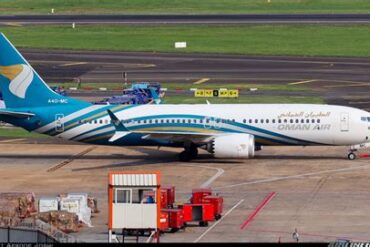
Set to launch on December 16, Oman Air’s new route from Muscat to Copenhagen with a stopover in Baghdad marks an ambitious step for the Omani flag carrier. Until now, neither Baghdad nor Copenhagen have been served by Oman Air from its Muscat hub. This new fifth freedom service introduces direct connectivity between Baghdad and Copenhagen, two cities with strong diaspora links and substantial traffic potential.
The route will operate twice weekly using the Boeing 737-800, although history suggests a likely substitution with the 737 MAX 8, which Oman Air regularly deploys for similar European segments.
The route schedule is as follows:
- Muscat → Baghdad: 1:20 PM – 3:35 PM (Tuesdays, Saturdays)
- Baghdad → Copenhagen: 4:25 PM – 7:50 PM (Tuesdays, Saturdays)
- Copenhagen → Baghdad: 8:50 PM – 3:55 AM+1 (Tuesdays, Saturdays)
- Baghdad → Muscat: 4:45 AM – 8:10 AM (Wednesdays, Mondays)
At 2,818 nautical miles (5,219 km) each way, this will be Oman Air’s only one-stop European service since 2016. It not only fills a strategic network gap but also positions the airline to tap into the Iraqi diaspora in Denmark, which has driven considerable traffic between Baghdad and Copenhagen—estimated at 29,000 round-trip passengers in the past year.
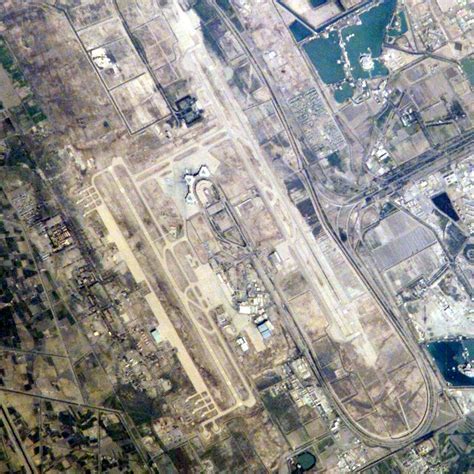
However, despite the route’s strategic potential and imminent start date, flights have yet to appear bookable on the airline’s website. This raises speculation about possible delays or cancellation, especially considering the short runway to launch.
Previously, Iraqi Airways operated between Baghdad and Copenhagen, often via Erbil or Najaf, but that service appears to have ended in 2024. Oman Air may be aiming to fill this gap, although its intentions remain partially veiled.
Qantas Charts New Pacific Path: Sydney to Samoa via Auckland
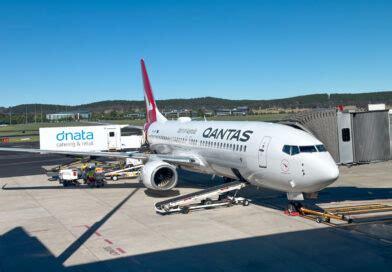
On December 8, Qantas announced its own fifth freedom addition: a new route from Sydney to Apia, Samoa, with a stop in Auckland, New Zealand. Launching on June 16, this service is a revival of a historically underserved market—Sydney-Apia—which has lacked any nonstop or one-stop service since 2023.
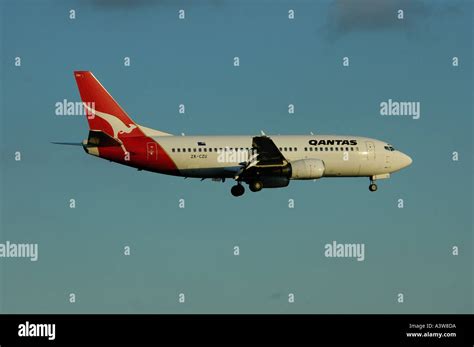
Using the Boeing 737-800, the route will operate three times weekly (Tuesdays, Thursdays, Sundays), covering 2,726 nautical miles (5,059 km) per leg. QF141 will depart Sydney at 7:10 AM, reaching Auckland by 12:20 PM local time. After a quick 70-minute turnaround, the flight continues to Apia, arriving at 6:20 PM local time.
The return leg, QF144, is scheduled to leave Apia at 7:05 AM the next day, landing in Auckland at 10:20 AM. Oddly, there’s an extended layover before the final hop to Sydney, which departs at 1:25 PM and arrives at 3:10 PM local time. This prolonged ground time in Auckland may be temporary, possibly awaiting slot adjustments.
Qantas’ Auckland-Apia segment joins its other fifth freedom route—Sydney-Auckland-New York JFK—solidifying Auckland as a strategic transit hub in the Qantas international network. With around 40,000 annual passengers traveling between Sydney and Apia, the new route provides a valuable and timely reconnection for Samoan diaspora and leisure travelers.
Strategic Implications and Market Dynamics
Both Oman Air and Qantas demonstrate savvy market positioning with these fifth freedom launches. For Oman Air, the Baghdad-Copenhagen leg allows access to a large niche market with little direct competition. For Qantas, reconnecting Sydney and Samoa through a stop in Auckland not only fills a service gap but also extends its reach in the South Pacific—traditionally dominated by regional carriers like Fiji Airways and Air New Zealand.
Fifth freedom routes like these reveal the geopolitical, commercial, and cultural forces shaping global aviation. They provide airlines with an opportunity to monetize underserved city pairs, optimize fleet use, and forge new commercial pathways—all while giving passengers more choice and better connectivity.