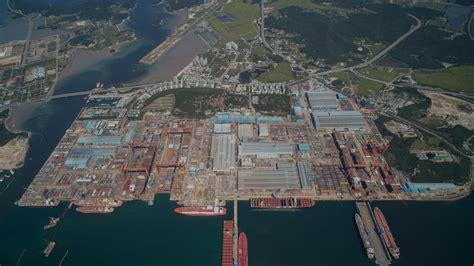
In a pioneering development that stands to disrupt the maritime industry, KR (Korean Register) and HD Hyundai Samho have introduced a groundbreaking approach to shipbuilding powered by artificial intelligence. This collaboration promises not only to enhance the design and construction of vessels but also to revolutionize global travel and trade as we know it. The maritime sector, long bound by traditional practices, is now at a transformative juncture. With AI steering the future, the way ships are built will experience a seismic shift, setting the stage for faster, smarter, and more sustainable maritime operations.
The integration of AI into ship design isn’t merely a theoretical discussion; it’s a tangible reality that has begun to reshape the industry’s landscape. Through a formal memorandum of understanding, KR and HD Hyundai Samho have committed to jointly develop advanced AI solutions that redefine the design and verification processes in commercial shipbuilding. As global shipping demands surge for speed, accuracy, and sustainability, this partnership emerges at a critical time, addressing the pressing needs of an evolving market.
AI Takes the Helm: Redefining Ship Design and Efficiency
The introduction of AI into one of the oldest industries in the world is a game-changer. This collaborative effort aims to streamline the design process and optimize operational efficiency in shipbuilding. The implications for the travel and tourism sectors are profound, as these industries rely heavily on robust maritime infrastructure. In an era where automation and intelligence are transforming various modes of transportation, the maritime domain is poised for its own revolution.
The shift towards AI as a foundational element in shipbuilding signifies more than just innovation; it reflects a comprehensive response to the growing pressures faced by the industry. With the cruise travel market rebounding and ferry routes witnessing increased demand, the urgency for safe, efficient, and timely vessel production has never been greater. The goal of this partnership is clear: to produce superior vessels with greater speed, utilizing fewer resources, all while maintaining an unparalleled level of precision.
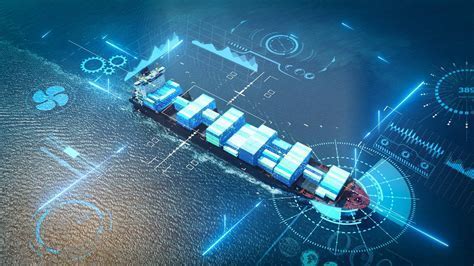
Two Game-Changing AI Solutions at the Core
At the heart of this collaboration lie two transformative innovations designed to fundamentally alter how ships are constructed. The first innovation focuses on an AI-based solution aimed at optimizing the hull support arrangement—a complex aspect of ship design that has historically relied on labor-intensive computations and manual decision-making. The forthcoming intelligent system will automate this process, allowing engineers to visualize real-time simulations based on minimal inputs. This represents not just an advancement in automation but a leap towards achieving mastery through machine learning.
The second pivotal component is the development of a design verification platform powered by generative AI. This platform, built to align with stringent shipyard security protocols, will centralize decades of accumulated shipbuilding knowledge, expediting decision-making across multiple departments. By eliminating isolated silos and fostering seamless communication, engineers and designers will gain immediate access to smart, guided design tools that are capable of learning and evolving over time.
Why This Matters for Global Travel and Tourism
The ripple effects of this AI-driven revolution may not be immediately visible, yet they are already beginning to take shape. Every major player in the cruise line, ferry, and maritime logistics sectors depends on the capabilities of forward-thinking shipbuilders. Faster design processes translate into quicker vessel launches, while smarter systems enhance safety and operational efficiency. Additionally, the commitment to sustainable practices ensures that future maritime travel is more environmentally responsible.
The evolution of cruise ships, which are becoming larger and more technologically advanced, underscores the importance of this initiative. Delays in production or design flaws can lead to significant financial losses for operators and disrupt the travel plans of countless tourists. By reducing design timelines and minimizing errors, this AI system holds the potential to accelerate new launches, thereby supporting the recovery of tourism across ocean-bound destinations. Furthermore, as island nations and coastal cities invest in enhancing maritime mobility to cater to tourism, efficient ship design becomes paramount. This breakthrough could enable smaller operators to enter the market with safer, more affordable vessels, thereby expanding access to travel across seas and rivers.
Strategic Impacts Beyond the Shipyard
The implications of this technological advancement extend far beyond engineering; they represent a strategic advantage for national economies reliant on maritime prowess. South Korea, already a leader in the global shipbuilding market, solidifies its position by integrating AI at such an early stage. With the maritime industry valued at over $150 billion, this initiative enhances the nation’s competitive edge on the global stage.
Moreover, the partnership fosters positive ripple effects in terms of employment and workforce development. Shipyard workers, traditionally engaged in manual design processes, will be upskilled to collaborate with AI systems. Their roles will shift from repetitive tasks to focusing on refinement and oversight, marking a significant cultural transformation within the industry. This harmonious integration of human expertise and artificial intelligence represents not just a technological trend, but a fundamental evolution in how the maritime sector operates.
The Road—or Sea—ahead
This collaboration between KR and HD Hyundai Samho is merely the beginning. The vision for AI’s role in shipbuilding is expansive, with plans to incorporate it into various phases of the process, including structural calculations, environmental impact assessments, engine layout designs, and even onboard service configurations. The long-term aspiration is a future where entire fleets are designed, tested, and refined within intelligent environments before any physical construction begins. This future envisions ships that are not simply built but are engineered through a seamless integration of human creativity and machine intelligence.
As tourism evolves and global travel rebounds post-pandemic, the urgency for resilient infrastructure becomes paramount. Ships that operate more swiftly, sail more safely, and consume fewer resources are no longer a distant dream; they are swiftly becoming a reality. With KR and HD Hyundai Samho leading the charge, the maritime industry is poised for a full-scale reinvention that merges tradition with innovation, crafting a smarter way to traverse the oceans and connect communities worldwide.
Final Thoughts: This Is More Than a Technical Upgrade
What lies ahead is not just a series of technical upgrades; it’s a paradigm shift in how we perceive maritime mobility. This evolution blends tradition with transformation, paving the way for a future where global tourism and trade can thrive in a more connected, efficient, and eco-conscious manner. As the seas undergo this transformative change, it is evident that the future of maritime design is already in motion.