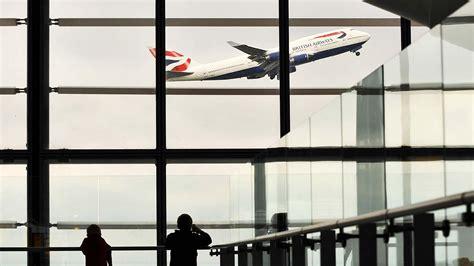
British Airways is preparing to introduce a performance-based incentive that could reshape how pilots approach fuel management, blending environmental responsibility with financial motivation. The proposal, expected to take effect in 2027, offers pilots up to a 1% salary bonus if collective fuel-saving and emissions targets are achieved. At first glance, the initiative appears both strategic and progressive, aligning cost control with sustainability goals. Yet beneath its clean logic lies a more nuanced debate about operational margins and decision-making in the cockpit.
Why British Airways Is Betting on Fuel Efficiency
Fuel remains one of the largest operational expenses for any airline, often dictating profitability in an industry known for razor-thin margins. British Airways’ plan is not a reaction to short-term oil price volatility but rather a long-term structural strategy. By targeting a reduction of 60,000 tons of carbon emissions beyond 2025 levels, the airline is signaling a serious commitment to both cost discipline and climate accountability.
What makes this initiative particularly compelling is its reliance on human factors rather than purely technological upgrades. While airlines have already invested heavily in newer, more fuel-efficient aircraft, British Airways is now turning to pilot behavior and decision-making as the next frontier of efficiency gains. The premise is simple: even within strict operational frameworks, small choices can accumulate into significant savings.
How Pilots Influence Fuel Burn in Real Operations
Unlike drivers adjusting speed on a highway, pilots operate within a highly regulated environment governed by air traffic control, safety protocols, and aircraft performance requirements. Still, there are key areas where pilot input directly affects fuel consumption, and British Airways appears to be focusing on these margins.
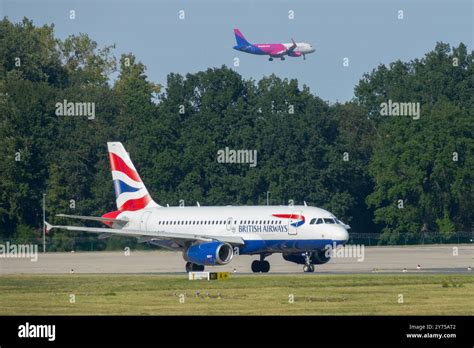
One of the most straightforward methods involves taxiing procedures. Aircraft engines consume a surprising amount of fuel on the ground, and shifting to single-engine taxiing where feasible can deliver immediate savings. This practice is already used in parts of the industry, but a formal incentive could standardize and optimize its application across the fleet.
Another, more complex factor is fuel load planning. Every flight must carry not only the required fuel for the journey but also mandatory reserves for contingencies such as diversions, holding patterns, or adverse weather. However, carrying excess fuel creates a paradox: the heavier the aircraft, the more fuel it burns to transport that additional weight.
This is where pilot discretion becomes critical. Captains have authority to add fuel beyond regulatory minimums, often as a buffer against uncertainty. The new incentive structure subtly encourages minimizing that buffer—without breaching safety rules—raising important questions about how much operational cushion is truly necessary.
The Subtle Tension Between Efficiency and Safety Margins
British Airways has emphasized that the program applies only when “uncompromised safety and sound airmanship” are maintained. This safeguard is essential, but it does not entirely eliminate the psychological dynamics introduced by financial incentives.
A pilot deciding how much extra fuel to carry is balancing risk, experience, and situational awareness. Introducing a bonus tied to fuel reduction may, even unintentionally, shift that balance. While no pilot is likely to disregard safety regulations, the incentive could lead to leaner fuel planning that trims traditional buffers.
From a strictly regulatory standpoint, flights would remain safe. Aviation authorities enforce minimum fuel requirements that cannot be bypassed. However, safety in aviation has long relied not just on rules, but on redundancy and conservative judgment. Reducing discretionary margins, even slightly, represents a philosophical shift.
Industry Context: A Growing Trend Toward Behavioral Optimization
British Airways is not alone in exploring behavior-driven efficiency programs. Across the aviation sector, airlines are increasingly leveraging data analytics to monitor and refine pilot practices, from climb profiles to descent planning. What sets this initiative apart is its direct financial linkage, transforming efficiency from a guideline into a measurable, rewarded outcome.
This reflects a broader industry evolution where sustainability targets are becoming embedded in day-to-day operations rather than treated as abstract goals. By tying emissions reductions to pilot compensation, British Airways is effectively making environmental performance a shared responsibility.

Smart Innovation or Calculated Risk?
The brilliance of the plan lies in its simplicity: align incentives, and behavior follows. Yet aviation is an industry where even small changes invite scrutiny, and rightly so. The proposed bonus is modest—just 1%—but its implications are disproportionately significant because it touches on decision-making at the highest level of flight operations.
For passengers, the idea of reduced fuel burn is appealing from both an environmental and economic perspective. Lower costs can translate into more competitive fares, while reduced emissions support broader climate goals. Still, the notion of less surplus fuel onboard, however controlled, may feel counterintuitive to those who equate safety with excess.
Ultimately, the success of British Airways’ initiative will depend on implementation discipline. Clear guidelines, transparent monitoring, and a strong safety culture will determine whether this becomes a model for the industry or a cautionary tale.
What’s undeniable is that the airline is pushing into a space where efficiency, economics, and human judgment intersect—and that’s where the most intriguing innovations, and the toughest questions, tend to emerge.