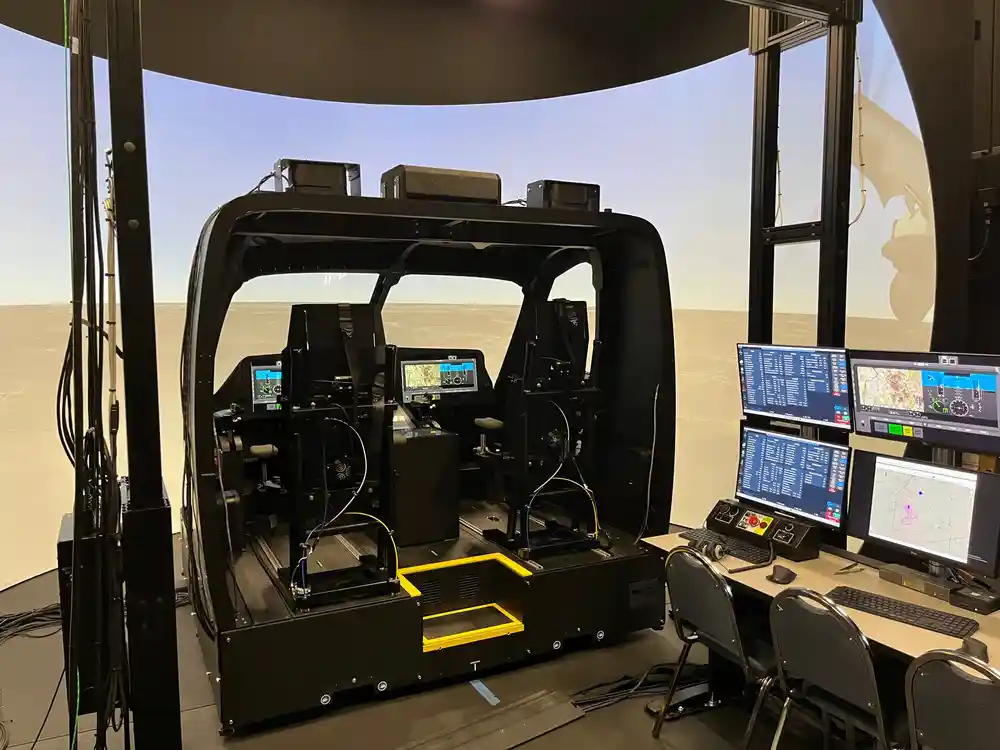
The U.S. Army has reached a pivotal technological milestone by officially accepting the first MV-75 FLRAA (Future Long Range Assault Aircraft) virtual prototype—a landmark moment in its effort to revolutionize vertical lift and air mobility capabilities for future conflicts. Developed by Bell Textron, this cutting-edge simulator, based on a full digital twin of the MV-75, signifies the Army’s full embrace of digital engineering to speed up design, testing, and eventual deployment of a new era of assault aircraft.
Next-Generation Vertical Lift Takes Flight in Virtual Space
The MV-75 FLRAA is no ordinary simulator. It represents the digitally engineered foundation of the Army’s next-generation long-range assault platform, aimed at replacing the iconic UH-60 Black Hawk. Through its virtual prototype, engineers and soldiers alike can now interface with what will ultimately become a physical aircraft, already enhanced through early-stage data analysis, system integration, and operational feedback.
The Army’s adoption of the virtual prototype aligns with the Middle Tier of Acquisition (MTA) framework, allowing for a more agile and accelerated path to development. Under this strategy, the project transitioned rapidly from rapid prototyping to the Engineering and Manufacturing Development (EMD) phase following the successful Milestone B decision in June 2024.
A Digital Twin Designed for Speed, Range, and Mission Agility
The MV-75 isn’t just a new aircraft—it’s a strategic pivot. Where the Black Hawk could achieve a respectable 150 knots, the FLRAA is designed to fly over twice as fast and more than double the range. This expanded envelope allows troops and supplies to be delivered deeper into contested territories with reduced risk and greater speed, fundamentally altering the Army’s tactical options.
This revolutionary leap is made possible through the MV-75’s digital twin, a high-fidelity 3D replica that mimics every system and sub-system of the actual aircraft. This allows for:
- Detailed software testing in real time,
- Refined system integration across avionics, propulsion, and crew interface,
- Immersive soldier-led operational testing,
- Identification and correction of design flaws prior to physical prototyping,
- Advanced mission rehearsal through tactics, techniques, and procedures (TTPs) experimentation.
Leadership Endorsement and Congressional Backing Accelerate the Timeline
Brigadier General David Phillips, Program Executive Officer for Army Aviation, emphasized the strategic shift that digital engineering brings: “The delivery of the MV-75 Virtual Prototype highlights the transformational power of digital engineering in aircraft development.” He also acknowledged that the accelerated timeline would not have been possible without robust support from Army leadership, the Department of Defense, and Congress.
With acquisition roadblocks minimized and financial backing secured, the FLRAA program is now progressing more swiftly than many legacy platforms, making it a model for future procurement cycles.
FLRAA: Built for Multi-Mission Dominance
Colonel Jeffrey Poquette, FLRAA’s Project Manager, underscored the practical significance of the achievement: “Our virtual prototype demonstrates a clear path to delivering a next-generation multi-mission aircraft that will fundamentally change how the Army conducts long-range assault operations.” The MV-75 is not merely a transport aircraft—it’s a multi-mission system designed for adaptability in contested and denied environments.
Its key mission advantages include:
- Enhanced situational awareness through next-gen avionics,
- Modular open systems architecture enabling plug-and-play upgrades,
- Low-maintenance composite structures for high durability,
- Networked battlefield integration for real-time ISR and command relay,
- Capability to support MEDEVAC, troop transport, resupply, and air assault missions.
Virtual Prototype as a Bridge to Reality
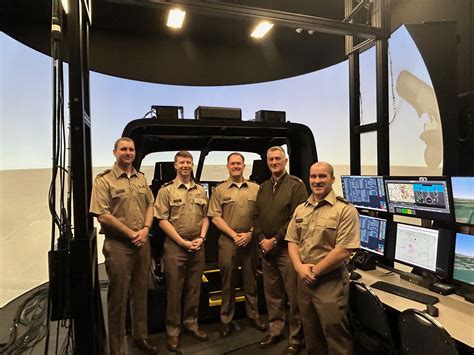
The MV-75 virtual prototype is not a static concept; it’s a fully operational simulation environment that will eventually serve as a crew training tool. Before the actual aircraft ever touches the flight line, soldiers will have logged hundreds of virtual missions, refined cockpit ergonomics, tested operational procedures, and even rehearsed real-world missions.
The prototype also accelerates the safety validation process. By integrating test data from the virtual model, engineers can preemptively resolve issues related to aerodynamic performance, flight control, and survivability, which historically would’ve emerged much later in physical testing.
Crucially, this digital approach means the Army is no longer forced to rely exclusively on costly, slow, physical prototyping iterations. Instead, it can conduct multiple digital test flights per day, vastly compressing the development timeline.
An Aircraft Designed for the Indo-Pacific and Beyond
As geopolitical focus shifts to regions like the Indo-Pacific, where long distances, dispersed forces, and rapid response define the strategic landscape, the FLRAA’s extended range and high speed become mission-critical. The MV-75’s design is deeply informed by these evolving operational demands.
Whether it’s responding to a natural disaster, deploying troops to a forward position, or executing extraction missions in contested airspace, the MV-75 aims to outperform its predecessors in:
- Speed and reach, cutting insertion times drastically,
- Payload capacity, enabling flexible mission loads,
- Fuel efficiency, critical for sustained global operations,
- Redundancy and survivability in electronic warfare environments.
Toward Full Integration and Deployment
The first MV-75 virtual prototype is just the beginning. A second virtual prototype is scheduled for delivery later in June at the Army’s Aviation Center of Excellence, located at Fort Novosel (formerly Fort Rucker). Together, these two prototypes will serve as the Army’s proving grounds for refining not only the aircraft’s physical design but also the human-machine interface and battlefield application.
Following rigorous user evaluations and software updates, these digital platforms will transition to flight training simulators. This ensures that when the first physical aircraft is rolled out for field testing, Army aviators will already be intimately familiar with the systems, thereby reducing the time to achieve Initial Operational Capability (IOC).
Implications for Defense Industry and Allied Forces
Beyond the Army, the MV-75 FLRAA project holds implications for the broader U.S. defense industrial base and allied partners. Bell Textron’s digital design and agile delivery model could become a new standard for next-gen platforms. Allied militaries are already watching closely, and future interoperability with NATO systems is a likely long-term objective.
Conclusion: A New Era of Army Aviation Has Begun
The acceptance of the first MV-75 FLRAA virtual prototype is more than a step forward—it’s a leap into the future of digitally driven, performance-oriented military aviation. The program’s pace, precision, and philosophy mark a radical departure from the drawn-out procurement cycles of the past.
The U.S. Army’s willingness to adopt and invest in digital transformation via tools like the MV-75 virtual prototype not only accelerates delivery but fundamentally improves aircraft design, crew survivability, and mission success. As the FLRAA program matures, it promises to redefine what is possible in the vertical lift domain—and set a new gold standard for aviation modernization in the 21st century.