Vietnam is on the brink of a tourism revolution, as the government unveils a strategic plan to harness digital technologies, ensuring the industry becomes smart, sustainable, and globally competitive. This initiative aims to place Vietnam at the forefront of a rapidly evolving travel landscape, where augmented reality (AR) and artificial intelligence (AI) redefine how tourists engage with the nation’s rich cultural heritage and breathtaking landscapes.
The anticipated turning point for augmented reality in tourism is set for 2025, reminiscent of the widespread adoption of QR codes in recent years. With AI capabilities crafting personalized travel experiences and user-friendly AR devices entering the market, Vietnam’s tourism sector is primed for significant advancement. The integration of immersive technologies such as virtual reality (VR), AR, and extended reality (XR) is transforming how travelers experience historical sites and cultural narratives, blending past and future in a captivating manner.
In the ancient city of Hue, known for its historical significance as the former imperial capital, the Hue Monuments Conservation Centre has launched an innovative project titled “Finding the Lost Imperial Palace.” By wearing advanced Nreal Air AR glasses, visitors can step back into the era of the Nguyen Dynasty, witnessing reenactments of royal court ceremonies, the changing of palace guards at the Ngo Mon Gate, and performances once held at the Duyet Thi Royal Theatre. This immersive approach goes beyond mere replication; it fosters a deep emotional connection to Vietnam’s royal heritage, providing both educational and enchanting experiences.

Farther south in Quang Tri Province, an exciting tech-driven initiative is being undertaken by MobiFone, in collaboration with the local Department of Culture, Sports, and Tourism. This initiative focuses on digitizing culturally significant locations, including museums, traditional spaces of the Chut ethnic minority, and the globally recognized Phong Nha-Ke Bang National Park, a UNESCO World Heritage Site. Utilizing a variety of digital tools such as 360-degree imagery, 3D scanning, VR videos, and voice-guided narration, MobiFone is enabling global audiences to explore these destinations virtually. This digital effort creates near-real experiences that allow remote travelers to engage with Vietnam’s cultural and natural treasures from anywhere in the world.
As the tourism sector embraces this fusion of technology and culture, experts emphasize that truly impactful virtual experiences must engage multiple senses and resonate emotionally with users. Nguyen Tien Dat, the chief executive of AZA Travel, highlights how AI is revolutionizing travel itinerary creation. What once required seasoned tour operators’ intuition can now be accomplished swiftly and accurately by AI, which generates highly personalized journeys tailored to individual travelers’ interests and preferences. However, it is crucial to note that while virtual experiences can serve as compelling previews, they cannot entirely replace the richness of physical visits. Instead, technologies like VR act as catalysts, sparking curiosity and encouraging future in-person explorations.
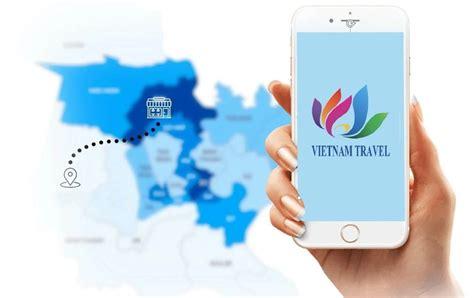
The shift towards smart tourism is not merely about adopting new technologies; it represents a fundamental transformation in how travel businesses operate. With the rise of extended reality (XR), AI-driven solutions, and digital interfaces, users now enjoy direct access to customized trips without relying on traditional intermediaries. Today, smart tourism platforms empower travelers to plan and book immersive journeys through their smartphones with just a few taps. From itinerary planning to real-time recommendations, the emergence of intelligent tourism ecosystems is making Vietnam’s travel sector more dynamic, efficient, and visitor-centric than ever before.
Recognizing the critical role of digital transformation, the Vietnamese government has laid out a comprehensive roadmap for tourism development extending through 2030. This ambitious plan emphasizes the cultivation of a smart tourism ecosystem that integrates digital tools to enhance accessibility, personalization, and efficiency for travelers at every touchpoint. Nonetheless, challenges persist, particularly regarding equitable access to technology across various demographics. While younger generations naturally adapt to navigating digital tools and VR platforms, the success of this transformation depends on creating intuitive, user-friendly interfaces that engage older tourists as well.
Rather than replacing human interaction, emerging technology is redefining the role of tour guides. In this new age of digital tourism, guides are evolving into cultural storytellers who enrich VR and AR experiences with personal insights, context, and emotional connections, ultimately bringing destinations to life in a more meaningful way. As AR and AI continue to gain traction, industry observers predict that 2025 will be a pivotal year for augmented reality in tourism, akin to the mainstreaming of QR codes. AR is expected to become a regular feature in travel planning and on-the-ground exploration, while AI rapidly optimizes how trips are personalized.
Tasks that once relied on travel experts are increasingly automated and optimized by AI systems capable of analyzing preferences, budgets, travel patterns, and real-time availability. These systems generate tailored itineraries that match each traveler’s style, streamlining the process while enhancing overall satisfaction. Lightweight, easy-to-use AR and VR gadgets are becoming more accessible and affordable, breaking down barriers to widespread adoption. These technologies offer previews of destinations, historical recreations, cultural demonstrations, and nature-based experiences—all without necessitating physical travel, yet inspiring it nonetheless.
As Vietnam forges ahead with its smart tourism vision, the emphasis lies in balancing innovation with inclusivity. The push toward smart tourism is not just about adopting new tools; it’s about reshaping the entire travel experience to be more immersive, efficient, and emotionally engaging. As AI, AR, and other digital solutions mature, Vietnam’s tourism industry is poised to usher in a new era of discovery—one where technology supports cultural connection, storytelling, and sustainable development. With the right infrastructure, training, and vision, the country stands ready to lead the region in next-generation travel experiences, paving the way for a bright future in tourism.