Vietnam’s tourism industry is undergoing a major transformation, emerging as a powerful engine for both economic growth and the celebration of the country’s rich cultural heritage. Over recent years, festivals have become pivotal within the Vietnamese tourism strategy, drawing millions of visitors, including a significant number of locals. These vibrant events are not just about showcasing diverse cultural facets; they play a crucial role in shaping the character and tone of national tourism. As both traditional and modern festivals gain popularity, they have evolved into substantial economic and cultural stimuli. However, with this rise comes the challenge of developing these events sustainably, ensuring they reflect the unique local colors that make them special.
The Rise of Modern Festivals in Vietnam
In the past decade, Vietnam has witnessed a notable increase in modern festivals that invigorate the tourism landscape. These events offer a dynamic blend of traditional performances, contemporary art, and unique experiences. Iconic festivals such as the Hue Festival, Da Nang International Fireworks Festival, Ha Long Carnival, and Da Lat Flower Festival have become staples on the country’s tourism calendar, attracting both domestic and international tourists. These festivals not only enhance tourism but also significantly contribute to local economies.
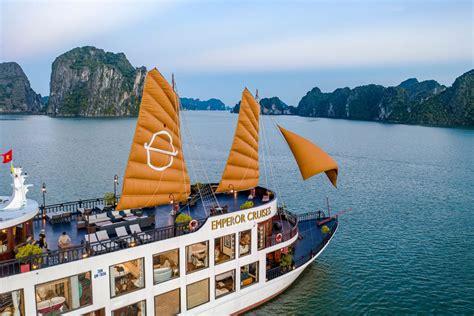
For instance, the Ha Long Carnival, held annually during the April 30–May 1 holiday, exemplifies how modern festivals can blend heritage with innovation. The carnival’s theme, “Connecting Heritage, Leading the Way to Shine,” attracted over 20,000 visitors in 2025 and generated a staggering 1.83 trillion VND (approximately 70.22 million USD) in tourism revenue, marking a 156% increase compared to the previous year. Similarly, the Red Flamboyant Flower Festival in Hai Phong, commemorating the city’s liberation, drew around 11,800 visitors, boosted by the introduction of the deluxe Red Flamboyant Flower train. These instances illustrate how well-planned cultural events can deliver significant economic boosts while promoting local identities.
Hue Festival: A Cultural Renaissance
The Hue Festival, coinciding with the “Visit Year 2025,” symbolizes Vietnam’s cultural renaissance. Once the capital of the Nguyen Dynasty, Hue now attracts millions of visitors, both domestic and international. The city reported an impressive influx of over 2 million visitors in 2025, reflecting a 63% year-on-year increase. Among these, nearly 900,000 were international, contributing to a tourism revenue of 2.6 trillion VND in just the first quarter of the year. The festival highlights Hue’s rich imperial heritage and has been instrumental in establishing the city as a premier cultural destination in Vietnam. By intertwining historical legacy with modern artistic performances, the festival has successfully transformed Hue into a must-visit locale for history buffs and casual tourists alike.
Da Nang’s International Fireworks Festival: A Global Attraction
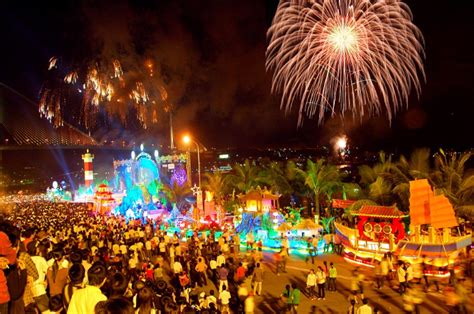
Da Nang’s International Fireworks Festival (DIFF) stands as another stellar example of how creative events can elevate Vietnam’s tourism profile. Held annually, the festival features breathtaking fireworks displays, musical performances, and cultural shows. In 2025, the festival adopted the theme “Da Nang – The New Era,” introducing innovative concepts and side events that enhanced its appeal. The DIFF attracted millions of visitors, becoming a vital component of Da Nang’s tourism offerings and contributing significantly to the city’s international recognition. This festival not only promotes Da Nang as a global tourism hub but also showcases the city’s commitment to innovation in the cultural sector, serving as a model for other cities aiming to enrich their tourism offerings through creative and engaging festivals.
Hanoi: A Year-Round Cultural Hub
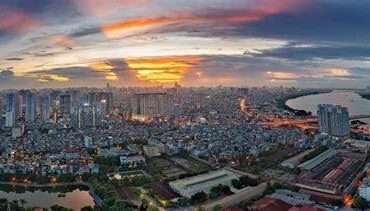
Hanoi, Vietnam’s capital, has embraced the idea of year-round cultural festivals as part of its strategy to boost tourism. In 2025, the city launched a diverse array of events, such as the Hanoi Tourism Gift Festival and the Hanoi Culinary Culture Festival, each attracting thousands of visitors. These events provide local artisans and traditional craft villages with a platform to showcase their skills, thereby contributing to the preservation and promotion of Vietnam’s cultural heritage. Additionally, they encourage visitors to extend their stays, enhancing tourism revenues and fostering a more sustainable model for local businesses. Hanoi’s commitment to creating a comprehensive calendar of cultural events, which includes the Hanoi Autumn Festival and the Hanoi Tourism Ao Dai Festival, scheduled for September, underscores its ambition to become a cultural and tourism powerhouse in Southeast Asia.
Regional Festivals: Strengthening Local Identities
Beyond major cities, various provinces in Vietnam have tapped into the trend of festival tourism to enhance their local identity and attract visitors. For instance, Ninh Binh has hosted successful events like the Trang An Festival and the Golden Colour of Tam Coc–Trang An Festival, which celebrate the region’s natural beauty and historical significance. These festivals have not only drawn tourists but also bolstered the local economy by promoting traditional art forms and local products. Similarly, Hai Phong’s Red Flamboyant Flower Festival, held in May, has emerged as a key event for the northern port city, attracting thousands of visitors while showcasing the city’s historical and cultural heritage.
The Role of Creativity in Festival Development
While the rise of modern festivals in Vietnam has been largely successful, experts warn against complacency. Several festivals, despite initial success, have encountered challenges regarding sustainability and long-term appeal. Some events may attract large crowds initially but struggle to maintain interest throughout their duration, resulting in declining attendance in subsequent years. To mitigate this issue, experts emphasize the necessity of creativity and innovation in festival programming. Festivals should undergo regular refreshes, with new themes and activities that resonate with both local and international visitors. Furthermore, it is crucial that festivals reflect the unique cultural identity of each region, steering clear of generic themes that could dilute the cultural significance of these events.
Sustainable Festival Development: Balancing Growth and Heritage
As Vietnam advances in developing its festival tourism industry, sustainability must remain at the forefront of planning efforts. Experts stress the importance of meticulous planning to ensure that festivals do not compromise the cultural heritage or environmental integrity of the regions hosting them. Infrastructure, facilities, and services must be adequately prepared to accommodate the influx of tourists, ensuring a positive visitor experience while minimizing the environmental impact of large-scale events. Local authorities must also ensure that festival development aligns with long-term economic growth and cultural preservation, maintaining a delicate balance between modernization and tradition.
Conclusion: The Future of Festival Tourism in Vietnam
Cultural festivals have solidified their position as a cornerstone of Vietnam’s tourism strategy, significantly impacting GDP while acting as ambassadors of cultural heritage. With thoughtful planning and innovative production techniques, these festivals are poised to propel Vietnam’s tourism sector to new heights in the coming years. By harmonizing modern, innovative experiences with local culture, Vietnam can attract global tourists while preserving the richness of its heritage for future generations. In this evolving landscape, festivals will remain a vital platform for cultural exchange, expected to continue developing as a rich channel of foreign exchange, surprising all who engage with them.