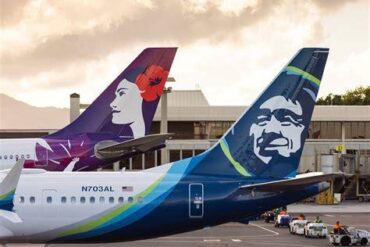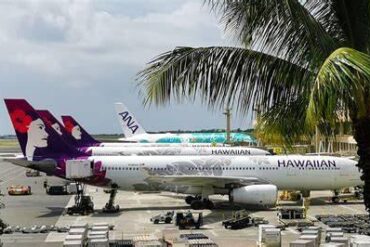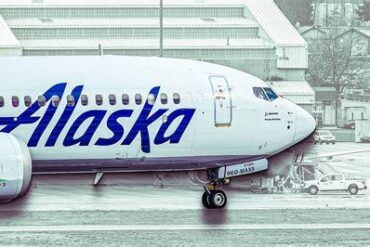
In a sweeping transformation of its operational blueprint, Alaska Airlines is shifting decisively toward a hub-based network model, catalyzed by its monumental merger with Hawaiian Airlines. This strategic pivot is not only reshaping its route structure but also elevating Seattle-Tacoma International Airport (SEA) as a powerful transpacific and domestic nexus. By consolidating its strengths and leveraging new widebody aircraft, Alaska aims to redefine its market presence and compete more effectively against legacy carriers entrenched in the global aviation arena.
Consolidation With Hawaiian Airlines Sparks Strategic Realignment
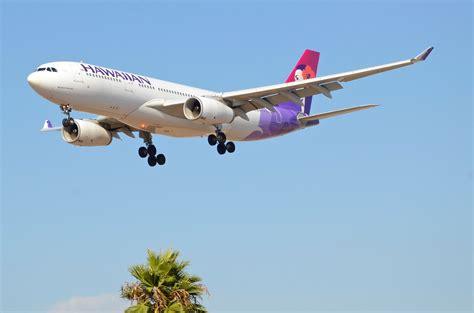
The 2024 acquisition of Hawaiian Airlines marked one of the most consequential mergers in recent U.S. aviation history. It instantly propelled Alaska Airlines to the position of the fifth-largest carrier in the United States, granting it access to Hawaiian’s robust network across Asia, Oceania, and intra-island Hawaii. More importantly, it injected new capabilities into Alaska’s fleet in the form of Airbus A330s and Boeing 787s, aircraft previously absent from its roster.
This merger also created a critical bulwark against intensifying competition in the Hawaiian market, especially from Southwest Airlines. Together, the merged carriers now operate over 60 daily flights between Hawaii and the U.S. mainland, with expanded access to international gateways and additional feed from Alaska’s West Coast hubs.

Seattle-Tacoma International: From Regional Stronghold to Global Hub
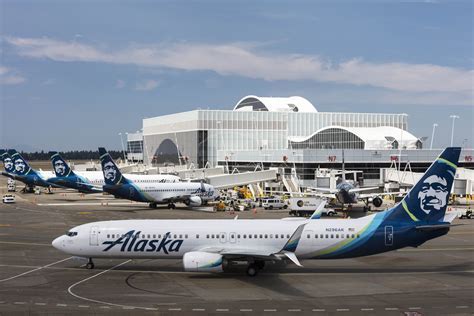
At the heart of Alaska’s strategic shift is Seattle-Tacoma International Airport (SEA). Already a stronghold for the airline, Seattle is being positioned as a global gateway, leveraging its geographic proximity to Asia and the western U.S. The integration of widebody aircraft enables long-haul services to Tokyo, Seoul, and soon Rome, with even more destinations forecasted by the end of the decade.
Alaska’s aspirations for Seattle include up to 12 nonstop international long-haul routes by 2030. The competitive landscape, however, is formidable. Delta Air Lines has long treated Seattle as a transpacific launchpad, operating routes to London, Paris, Amsterdam, and several Asian metropolises. Yet, Alaska’s hometown advantage, cost-efficient operations, and growing fleet versatility are beginning to tilt the scales.
Reinforcing Anchorage and the Great Land Investment Plan
True to its namesake, Alaska Airlines continues to invest heavily in the state of Alaska, reaffirming its role as a vital air link for one of America’s most remote and rugged regions. Notably, the airline introduced widebody A330 service between Seattle and Anchorage, significantly increasing capacity on a key summer route. This move also hints at a broader strategy to incorporate Anchorage into the airline’s evolving hub-and-spoke framework.
A major component of this effort is the renovation and expansion of Alaska’s Anchorage lounge at Ted Stevens Anchorage International Airport (ANC). The space, now capable of seating 140 passengers, represents a $60 million investment across the state as part of its Great Land Investment Plan, reinforcing Alaska’s commitment to its home territory.

A Reimagined Passenger Experience Across the Network
As part of its network realignment, Alaska Airlines is heavily investing in its premium offerings, particularly lounges. In Honolulu, a new consolidated flagship lounge is under development and scheduled to open by late 2027. The upcoming facility will be five times larger than its predecessor and designed to provide a serene, light-infused environment for long-haul travelers.
This is part of a broader initiative to align the brand and passenger experience between Hawaiian and Alaska Airlines. Additional lounges and Premier Club expansions in Maui and neighboring islands are already underway, reinforcing the carrier’s premium service across the Pacific.
Increasing Capacity and Enhancing Connectivity on Strategic Routes
Since the merger, the Alaska-Hawaiian airline group has added over 20% more seats between Seattle and Honolulu, with three of six daily flights now operated by widebodies. Portland also benefits from a 25% seat increase, offering three daily direct flights to Hawaii.
Further south, San Diego sees twice-daily service to Maui, while San Francisco now connects to four Hawaiian destinations—Kona, Lihue, Maui, and Honolulu. The expansion doesn’t stop there. Alaska has introduced a daily A330 service between Honolulu and Sacramento, opening up new possibilities for West Coast travelers.
These moves are paired with redeye services from Hawaii to the mainland, designed to optimize schedules and enhance connections into Alaska’s broader network, particularly for travelers from the Midwest and East Coast.
Competing With Delta: A Battle for Seattle
The enhanced hub strategy pits Alaska Airlines directly against Delta Air Lines in an increasingly contested Seattle market. While Delta has made major international investments at SEA since 2014, Alaska’s growing influence—fueled by long-haul capabilities and strong West Coast loyalty—poses a tangible challenge to Delta’s ambitions.
Delta has responded with new routes to Barcelona and Rome starting in 2026, but Alaska’s dominance in terms of frequency and terminal presence remains unmatched. With plans for a new international lounge at SEA by 2027, Alaska is creating a premium experience that rivals—and possibly outpaces—that of its Atlanta-based competitor.

Strengthening Domestic Hubs and Route Efficiency
In addition to expanding Seattle’s global reach, Alaska Airlines is doubling down on its domestic hub-and-spoke efficiency. The airline’s operational model now prioritizes key growth markets like Los Angeles, San Francisco, New York, Boston, and Austin—cities with high-frequency demand and strategic connectivity potential.
Hub-based routing allows the airline to increase flight frequencies, optimize aircraft utilization, and reduce costs by concentrating resources. It also enhances the travel experience with faster connections, coordinated schedules, and a more consistent brand journey across touchpoints.
By transitioning away from point-to-point flights—once a hallmark of Alaska’s operational DNA—the airline is embracing a model that is scalable, resilient, and aligned with global aviation trends.
A Long-Term Bet on International Growth
The strategic pivot to hub-based operations isn’t a short-term experiment—it’s a long-term playbook for sustainable international growth. The merger with Hawaiian Airlines has given Alaska the tools to execute this vision, including greater aircraft range, additional capacity, and access to new overseas markets.
Looking ahead, Alaska Airlines could soon launch new services from Seattle to destinations like Paris, London, Delhi, Bangkok, and even Manila, cementing SEA’s position as a major North American gateway. Its success will depend on how effectively it balances aircraft deployment, alliance partnerships, and customer loyalty in an increasingly competitive landscape.
Conclusion: Rewriting the Future of West Coast Aviation
Alaska Airlines’ movement toward hub-based operations is a defining evolution for the once regionally focused carrier. By leveraging its merger with Hawaiian Airlines, investing in strategic airport hubs like Seattle and Anchorage, and expanding international long-haul capabilities, the airline is poised to reshape air travel on the U.S. West Coast.
While challenges remain—especially from entrenched legacy carriers like Delta—Alaska’s agile structure, strong local loyalty, and renewed international focus give it a formidable edge. As 2030 approaches, expect Alaska Airlines to be not just a major player in domestic air travel, but a global connector from the Pacific Northwest to the world.