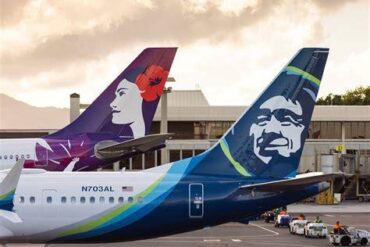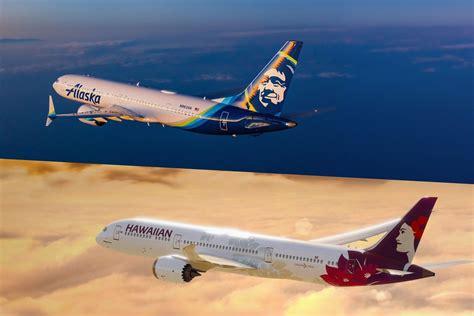
The U.S. aviation industry is witnessing a seismic realignment, as Hawaiian Airlines dismantles a wide network of international and domestic partnerships in anticipation of its merger with Alaska Airlines. In a sweeping codeshare collapse that has sent shockwaves across both leisure and business travel sectors, major players like Delta Air Lines, JetBlue, Virgin Atlantic, Virgin Australia, China Airlines, Japan Airlines, and Korean Air have all been cut from Hawaiian’s partner roster.
For travelers, this represents one of the most significant structural overhauls in Pacific aviation in recent years, with profound implications for mileage programs, through-ticketing convenience, and international connectivity.
Delta Becomes the Latest Major Casualty in Hawaiian’s Partnership Overhaul
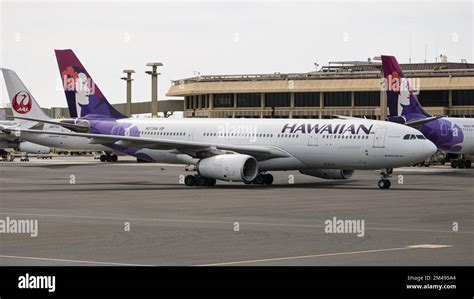
Delta Air Lines, once a key connector for Hawaiian-bound passengers from the U.S. mainland, is now among the casualties of this codeshare disintegration. As of June 30, 2025, passengers can no longer book Hawaiian-operated flights using Delta’s SkyMiles program. Furthermore, travelers who have existing award bookings must complete their travel by April 1, 2026, to retain mileage benefits.
Delta’s long-standing partnership with Hawaiian provided travelers with seamless connections, especially for inter-island segments in Hawaii. The severance of these ties introduces new complexities for those planning multi-leg itineraries involving both carriers. The once-smooth bridge from cities like Atlanta, Minneapolis, and Detroit into Hawaii’s neighbor islands will now require additional planning, often at higher costs.
JetBlue’s East Coast Gateway to Hawaii Closes
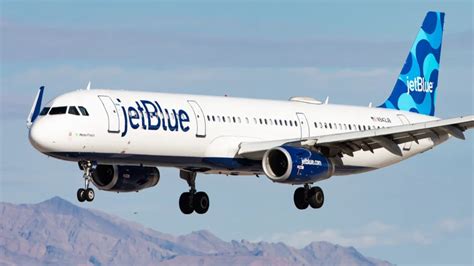
The codeshare partnership between JetBlue and Hawaiian Airlines, established in 2012, has also reached its final chapter. This collaboration once simplified journeys for East Coast travelers, enabling easy connections from JetBlue’s extensive domestic network onto Hawaiian’s long-haul Pacific services.
Effective September 30, 2025, HawaiianMiles members will lose the ability to redeem miles for travel on JetBlue-operated flights. All award travel under this agreement must be completed by March 31, 2026. After these dates, loyalty benefits and reciprocal booking advantages will be fully terminated.
The loss of this partnership removes a vital link for passengers originating from JetBlue hubs such as Boston Logan, New York JFK, and Fort Lauderdale, making Hawaii less accessible for millions of East Coast travelers relying on bundled itineraries.
A Global Network Unravels: Virgin, China Airlines, Japan Airlines, Korean Air Also Affected
Hawaiian Airlines’ realignment extends beyond U.S. borders, impacting several major international carriers:
- Virgin Atlantic
- Virgin Australia
- China Airlines
- Japan Airlines
- Korean Air
All codeshare agreements and loyalty arrangements with these airlines will cease by June 30, 2025, with any remaining award travel or mileage accrual required to be completed by February 28, 2026.
These partnerships have historically provided strategic access to Hawaii for travelers from Europe, Australia, Taiwan, Japan, and South Korea, with convenient through-ticketing, baggage transfers, and reciprocal frequent flyer benefits. The termination of these agreements disrupts well-trodden international travel corridors, forcing passengers to seek alternative, and often more fragmented, booking arrangements.
The Alaska Airlines Merger: The Driving Force Behind the Collapse
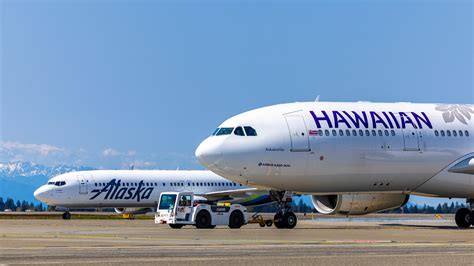
The unraveling of Hawaiian Airlines’ vast partner network is directly tied to its impending merger with Alaska Airlines, a deal set to reshape Pacific aviation dynamics. Once finalized, Hawaiian will integrate into Alaska’s Mileage Plan, signaling a pivot towards the Oneworld alliance, which Alaska formally joined in 2021.
This strategic consolidation necessitates the dissolution of codeshare and interline agreements that conflict with Alaska’s network or compete against the Oneworld alliance’s interests. The move is designed to streamline operations, loyalty programs, and market positioning as Alaska and Hawaiian aim to establish a unified, powerful presence across the Pacific, North America, and parts of Asia.
Notably, the decision to sever ties with Delta, a prominent member of the SkyTeam alliance, and JetBlue, which recently dissolved its Northeast Alliance with American Airlines, aligns with Alaska’s efforts to consolidate partnerships strictly within its strategic framework.
What Travelers Need to Know Before Booking Trips
For passengers planning Hawaii-bound travel in the coming months, the timing of bookings and mileage redemptions is critical. The following dates and restrictions should guide travel plans:
- Flights involving Hawaiian Airlines and Delta or JetBlue must be booked by June 30, 2025.
- HawaiianMiles redemptions for JetBlue flights are available through September 30, 2025.
- All travel under these partnerships must be completed by March 31, 2026 (Delta) or April 1, 2026 (JetBlue), with slight variations depending on the carrier.
For international travelers, combining Hawaiian Airlines with China Airlines, Korean Air, Japan Airlines, Virgin Atlantic, or Virgin Australia on a single ticket will soon be impossible. This fragmentation may increase overall travel costs and diminish protections such as checked baggage transfers, priority boarding, and consolidated customer service.
Frequent flyers accustomed to leveraging global loyalty programs for upgrades, lounge access, and mile accrual will also face limitations. The collapse of these agreements effectively isolates Hawaiian’s loyalty offerings within Alaska’s Mileage Plan framework, narrowing options for international and alliance-based travelers.
The Bigger Picture: Hawaiian’s Future Under Alaska Air Group
While short-term disruptions for passengers are significant, Hawaiian’s integration into Alaska Air Group presents opportunities for expanded route flexibility and strengthened market presence. The merger is projected to bolster services across the Pacific Rim, enhance access to smaller West Coast cities, and reinforce the Oneworld alliance’s footprint in North America.
However, this transition comes at the expense of long-established collaborations that made Hawaii an accessible and interconnected destination. As the codeshare collapse ripples through global aviation, competitors may seize the opportunity to capture market share, while passengers adjust to a new era of fragmented Pacific travel.
In the words of aviation analysts, “This realignment is as much about market control as it is about network efficiency.” The Alaska-Hawaiian consolidation, while advantageous for operational synergy, undeniably reshapes the Pacific travel ecosystem, with reduced carrier cooperation and increased dependency on singular loyalty programs.
Conclusion: Act Now Before the Window Closes
The landscape of Hawaii-bound travel is evolving rapidly. With Delta, JetBlue, Virgin, China Airlines, Japan Airlines, Korean Air, and more exiting Hawaiian’s partnership framework, travelers must navigate the coming changes carefully.
If you have miles to redeem, loyalty perks to utilize, or multi-airline itineraries to book, acting before the partnership deadlines is essential. Afterward, expect fewer options, increased planning complexity, and a reshaped Pacific aviation market led by the Alaska-Hawaiian merger.
The countdown has begun—plan accordingly to avoid surprises at the airport and in your loyalty accounts.