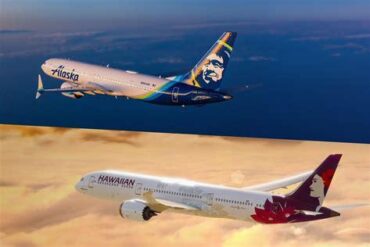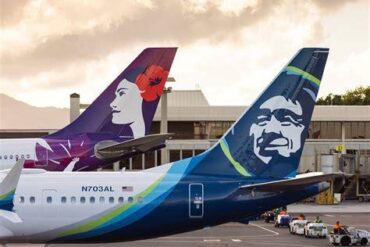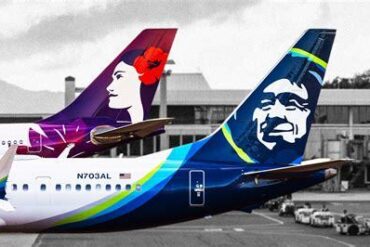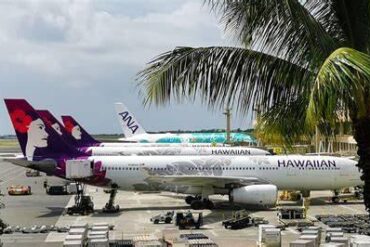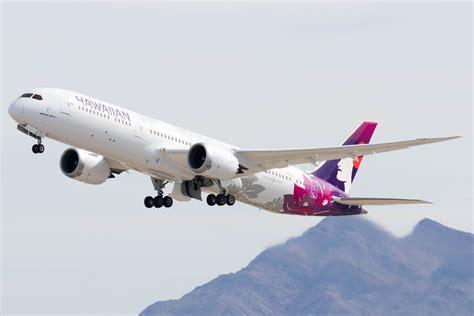
Alaska Airlines’ acquisition of Hawaiian Airlines has been widely discussed for its brand synergy, expanded Pacific network, and market consolidation. Yet beneath the surface, one strategic advantage may outshine all others: the acquisition of widebody aircraft, specifically the Boeing 787 Dreamliner. For an airline long dependent on narrowbody jets, the Dreamliner represents a transformational leap, unlocking routes, markets, and revenue models that were once out of reach.
Alaska’s long-standing identity as a West Coast-centric, narrowbody operator kept its growth grounded in short to medium-haul destinations. However, the Hawaiian merger reshapes that paradigm. Hawaiian Airlines brings with it a fleet that includes the Airbus A330 and the newer, more efficient Boeing 787-9, ushering Alaska into the long-haul game at a pivotal time in global aviation.
The 787: Opening Global Gateways from Seattle
Seattle-Tacoma International Airport has always been a strategic hub for Alaska Airlines. However, its role has been predominantly domestic. That changes dramatically with the 787. The Dreamliner’s extended range and fuel efficiency allow Alaska to leapfrog into international markets. The first clear signs of this shift are already visible. Alaska has launched nonstop service from Seattle to Tokyo-Narita, with another to Seoul-Incheon launching soon under the Hawaiian brand but operated with a 787. These routes would have been unviable with the Boeing 737s that currently dominate Alaska’s fleet.
Notably, this is only the beginning. Alaska plans to inaugurate service to Rome in 2026, its first transatlantic route. Unlike the initial Asian routes, the Rome service will fly under the Alaska Airlines banner. That shift marks a new era, in which the airline not only adopts widebody aircraft but also embraces the global aspirations that come with them.
Hawaiian’s Dreamliners: Modern Cabins and High Passenger Appeal
Hawaiian Airlines’ Boeing 787-9s don’t just bring range—they bring premium customer experience. The aircraft includes 300 seats in a two-class layout, including the Leihōkū cabin, a first-class suite experience comparable to international business class. The Leihōkū seats offer lie-flat beds, enhanced privacy, and advanced in-flight entertainment.
- Leihōkū Cabin: 34 lie-flat seats
- Extra Comfort Seats: 79 economy seats with extra legroom and perks
- Main Cabin: 187 standard economy seats
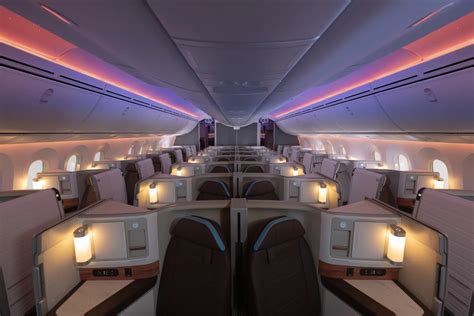
What stands out is the absence of a true premium economy class. Alaska, aiming for more diversified revenue capture, is expected to change that. The likely addition of a premium economy section will help the airline better segment its passengers and offer more upsell opportunities, especially on long-haul routes. This move is critical for competing not just with U.S. carriers like Delta, but also global ones with finely tuned cabin segmentation.
Strategic Disruption of the Seattle Market
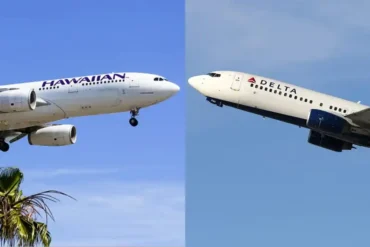
Seattle is no longer a quiet battlefield. For years, Delta Air Lines has held dominance over most of the city’s long-haul traffic. That included exclusive U.S. routes to Tokyo, Seoul, and multiple European cities. Alaska’s acquisition of the Dreamliner changes that.
While Delta flies to Tokyo’s Haneda airport, Alaska has countered by launching service to Narita—a bold but calculated move. By leveraging the Hawaiian 787s, Alaska is not only challenging Delta’s monopoly but may also force pricing adjustments and route enhancements, all to the benefit of consumers.
Delta has historically marketed itself as the global gateway from Seattle, but Alaska now holds the tools to redefine that narrative. With access to newer widebodies, it could soon expand into London, Frankfurt, or Paris, breaking new ground and attracting global traffic flows.
Abandoning Narrowbody Exclusivity
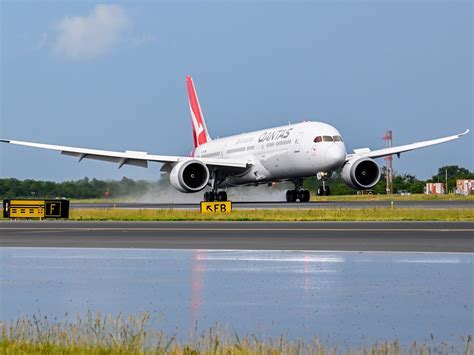
Until now, Alaska Airlines has been a narrowbody purist, operating an all-Boeing 737 fleet. Even after merging with Virgin America, it chose to phase out the Airbus A320s in favor of 737s. That decision was justified by fleet commonality, lower maintenance costs, and streamlined training.
Currently, Alaska’s fleet includes:
- Over 245 Boeing 737s, mostly MAX 9 and 737-900ER
- No widebody aircraft prior to the Hawaiian acquisition
The 737 remains central to Alaska’s operations, but the shift to widebody via Hawaiian’s fleet marks a historic shift in corporate philosophy. For a carrier that has thrived on discipline and efficiency, this expansion is a signal that Alaska is ready to compete at the global level.
The Dreamliner’s Financial Leverage
Beyond market access and customer experience, the Dreamliner offers serious financial advantages. It is among the most fuel-efficient widebody aircraft on the market, with lower per-seat costs on long-haul routes. It allows Alaska to enter high-yield markets while keeping its cost base manageable—critical for maintaining its strong profit margins.
The 787 also presents the airline with cargo opportunities. Long-haul flights to Asia and Europe come with increased belly cargo capacity, a lucrative revenue stream that has seen surging demand post-pandemic. Alaska, through Hawaiian’s established transpacific logistics infrastructure, can leverage these lanes quickly and efficiently.
Regulatory, Labor, and Design Challenges Ahead
While the Dreamliner opens many doors, it also presents hurdles. Alaska must still:
- Finalize labor agreements for international operations
- Retrofit or redesign cabins for Alaska branding
- Secure regulatory approvals for new routes
These are not minor issues, especially for a carrier new to widebody operations. However, Alaska appears committed to pushing through the barriers, likely with a phased approach that maintains Hawaiian branding in the interim while Alaska prepares its own widebody-ready product.
A Future-Ready Strategy With Global Aspirations
With its entry into oneworld, Alaska Airlines is uniquely positioned to maximize the value of the 787. The alliance enables smoother connections to major global carriers like British Airways, Japan Airlines, and Qatar Airways. Alaska can now offer its passengers seamless international itineraries, enhancing loyalty and positioning it as a viable transcontinental and transoceanic player.
What was once a regional powerhouse may soon evolve into a Pacific Rim challenger. Hawaiian Airlines gave Alaska more than just aircraft—it gave it international credibility, long-haul capacity, and a path to sustainable global growth.
Conclusion: The Dreamliner Is Alaska’s Launchpad to the World
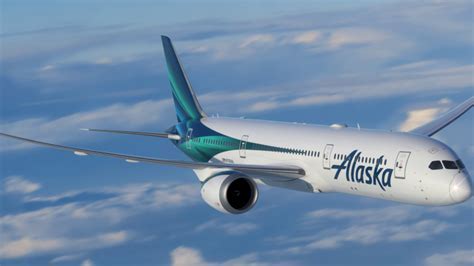
In the grand calculus of Alaska Airlines’ merger with Hawaiian Airlines, the Boeing 787 Dreamliner emerges as the most powerful asset acquired. It equips Alaska with the aircraft it needs to expand internationally, the premium cabin products to attract high-value customers, and the operational range to take on entrenched rivals like Delta.
This isn’t just about new jets—it’s about a new identity. Alaska Airlines is no longer confined to short hops along the Pacific Coast. With the Dreamliner, it gains the altitude—and ambition—to fly farther than ever before. Consumers, investors, and competitors alike should take note: Alaska Airlines is entering a new flight path, and it’s one that could reshape the long-haul landscape from America’s Pacific Northwest.