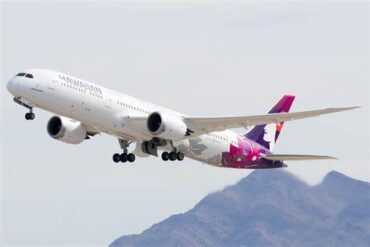
In 2025, Alaska Air Group found itself flying farther, serving more destinations, and carrying a bigger brand portfolio than at any point in its history. Yet behind the expanding route map sat a far less celebratory reality. Profits collapsed, margins thinned, and investors were left staring at a single, uncomfortable number that came to define the year: $518,000 a day. That figure represents the daily losses generated by Hawaiian Airlines during its first full year under Alaska ownership, and it explains more about Alaska’s weakened financial performance than any press release ever could.
Alaska Air Group closed 2025 with just $100 million in GAAP net income, a stunning drop from $395 million in 2024. Adjusted profits told the same story. Even after stripping out special items, net income slid to $293 million, down sharply from $625 million the year before. For an airline that had built a reputation on disciplined cost control and steady profitability, the reversal was impossible to ignore.
The acquisition of Hawaiian Airlines was always going to be transformative. It promised long-haul reach, international relevance, and a powerful West Coast–Pacific network. What it delivered in 2025 was something far more sobering: a live demonstration of how expensive airline mergers can be before the rewards arrive.
The True Cost of Absorbing Hawaiian Airlines
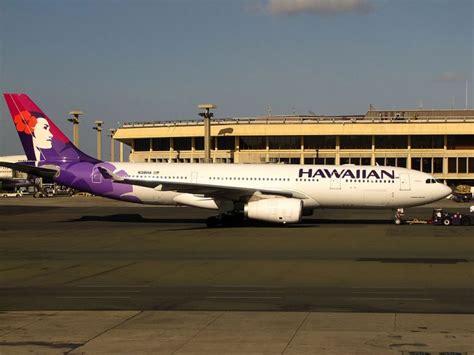
Hawaiian Airlines recorded approximately $189 million in losses before income taxes in 2025, even after improving materially from its pre-acquisition performance. Spread across the calendar, that equates to about $518,000 lost every single day. Those losses flowed straight into Alaska Air Group’s consolidated results, dragging down margins and compressing earnings at a time when competitors were thriving.
Alaska Air Group’s 2025 Profit Collapse Explained
Alaska’s adjusted pretax margin fell to 2.8%, a level more commonly associated with struggling carriers than one historically praised for operational discipline. Integration costs, fleet complexity, overlapping systems, and labor harmonization all added friction. Hawaiian brought widebody aircraft, long-haul crews, and international operations into a company optimized for narrowbody, domestic efficiency. That mismatch translated directly into higher unit costs.
The numbers matter because they show this was not a minor stumble. The merger reshaped Alaska’s income statement in a way that no fuel spike or weather disruption ever could.

Why $518,000 a Day Became the Defining Metric
Daily loss figures resonate because they strip away corporate language and reveal operational reality. Hawaiian’s red ink persisted despite cost reductions and revenue improvements, underscoring how difficult it is to realign an airline built for island-centric leisure travel into a broader mainland network strategy. Aircraft utilization patterns, crew bases, and seasonal demand mismatches all worked against rapid profitability.
Alaska’s leadership emphasized that Hawaiian’s losses were already significantly reduced compared to earlier periods. That was true, but reduction is not elimination. As long as Hawaiian remained unprofitable, Alaska’s group results were destined to lag.
A Stark Contrast With Delta and United
While Alaska wrestled with integration headaches, Delta Air Lines and United Airlines enjoyed a strong 2025. Both carriers benefited from robust corporate travel demand, premium cabin pricing power, and loyalty programs that increasingly functioned as high-margin businesses in their own right. Their scale allowed them to absorb costs and deploy capacity with far greater flexibility.
Alaska, by contrast, entered 2025 as a mid-sized carrier attempting to leap into a global role. The Hawaiian merger accelerated that ambition, but it also exposed Alaska to competitive dynamics it had previously avoided. Long-haul international routes require patience, deep pockets, and resilience during early losses.
Scale, Network Reach, and Structural Disadvantages
Before the merger, Alaska’s network leaned heavily toward the West Coast, Alaska, and leisure-heavy routes. That limited exposure to high-yield corporate traffic insulated the airline from certain risks but capped upside. Hawaiian offered access to Asia-Pacific markets and long-haul leisure demand, but it also carried structurally higher costs and greater exposure to economic cycles.
Fuel price volatility on the West Coast further complicated the picture. Unit costs excluding fuel rose modestly in 2025, while revenue per available seat mile improved only slightly. The math simply did not favor margin expansion.
Operational Disruptions Added Pressure
Integration was not Alaska’s only problem in 2025. The airline endured IT outages, operational disruptions, and cancellations that strained customer trust and inflated costs. A prolonged US government shutdown dampened demand and added uncertainty, particularly for routes tied to government travel and tourism flows.
None of these factors alone would have crippled Alaska’s earnings. Combined with Hawaiian’s ongoing losses, they became a powerful drag on profitability.
Management’s Long-Term Bet on the Merger
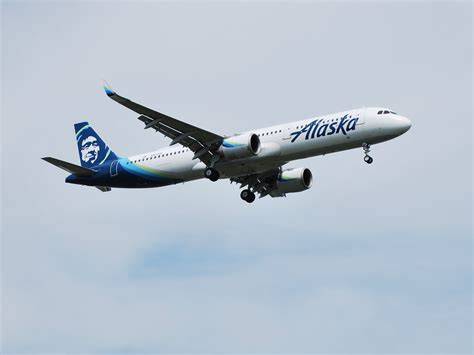
Despite the bruising financials, Alaska’s leadership remains publicly confident. CEO Ben Minicucci framed 2025 as a transitional year, emphasizing momentum heading into 2026 as the combined airline begins to operate “as one.” The company’s Alaska Accelerate strategic plan aims to unlock synergies, streamline operations, and leverage Hawaiian’s brand strength more effectively.
International expansion sits at the heart of that strategy. New long-haul routes from Seattle to Tokyo, London, and Rome are designed to reposition Alaska as a credible global competitor rather than a regional specialist. These routes, however, require time to mature and rarely generate immediate profits.
The Investor Dilemma: Patience Versus Proof
For investors, the Hawaiian merger presents a classic airline dilemma. The strategic logic is clear, but the financial payoff remains deferred. Alaska is profitable, but only barely relative to its peers. Hawaiian’s losses are shrinking, yet still substantial. The question is not whether the merger can work, but how long Alaska can tolerate underperformance while waiting for synergies to materialize.
The earnings gap between Alaska and larger US carriers highlights how unforgiving the airline industry can be during periods of transition. Expansion magnifies both opportunity and risk, and 2025 landed firmly on the risk side of that equation.
What 2026 Must Deliver
Looking ahead, Alaska faces a two-front campaign. Costs must come down as systems, crews, and fleets align more efficiently. At the same time, revenue must rise as international routes mature and Hawaiian’s network integrates more deeply with Alaska’s loyalty ecosystem.
If Hawaiian can be pushed toward breakeven, the $518,000-a-day drain that defined 2025 will fade into history. If not, Alaska risks remaining stuck between regional efficiency and global ambition, paying the price for trying to become something bigger before it is fully ready.
The Hawaiian merger did not fail in 2025. It simply revealed, in unforgiving financial clarity, just how expensive transformation can be in the airline business.