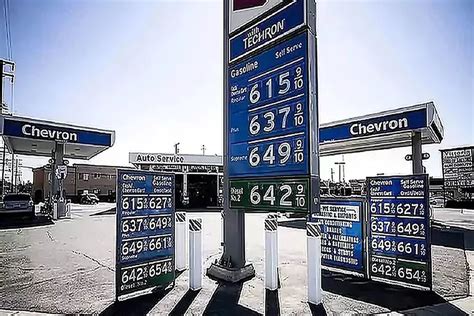
As the Fourth of July approaches, American motorists are greeted with a welcome relief at the gas pump. According to GasBuddy, the nationwide average price for regular gasoline has dropped to $3.15 per gallon, marking the lowest average price for Independence Day since 2021. This significant reduction in prices offers considerable savings for those planning road trips over the holiday weekend. When compared to last year’s price of $3.49 per gallon, this drop of nearly 35 cents signals a positive trend for travelers eager to hit the road.
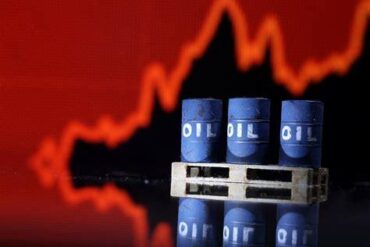
The decline in gas prices can be attributed to several key factors. Easing geopolitical tensions have played a major role in this price reduction. Notably, the resolution of tensions in the Middle East, particularly regarding the situation between Israel and Iran, has alleviated fears of potential disruptions in the Strait of Hormuz, a critical shipping route for global oil. Furthermore, increased oil production both globally and domestically has bolstered supply stability. OPEC’s decision to ramp up oil production, along with the United States’ near-record oil output, has contributed significantly to the steady availability of crude oil. As a result, U.S. crude oil prices have stabilized at $65.11 per barrel, a notable decrease from the peak of $79 per barrel observed in late June.
This decrease in fuel prices arrives at a time when millions of Americans are gearing up for the Fourth of July holiday. The American Automobile Association (AAA) forecasts that a record 61.6 million Americans will travel by car this year, reflecting a 2.2% increase from last year. With fuel prices significantly lower, this reduction is anticipated to save U.S. travelers nearly $500 million in fuel costs compared to 2024, rendering road trips more financially feasible for many families. However, despite the savings at the pump, it is essential for travelers to prepare for heavy traffic during peak travel times, which are expected on Wednesday, July 2, between noon and 9 p.m., and on Sunday, July 6, between noon and 6 p.m. These hours will likely experience the highest congestion as families venture to popular destinations across the country.
While the nationwide average has seen a commendable drop, there remain noticeable regional disparities in gas prices. States in the South, such as Texas and Louisiana, are currently enjoying the lowest prices, with certain areas reporting averages below $3 per gallon. In contrast, the West Coast, particularly California and Washington, continues to grapple with higher prices, where some cities are reporting averages exceeding $4 per gallon. These regional price variations are influenced by factors such as state taxes, local demand, and transportation costs. For travelers embarking on long-distance journeys, these price differences can significantly affect their plans.
When we look at historical context, current gas prices are considerably lower when adjusted for inflation. In June 2021, the inflation-adjusted price of gasoline averaged $3.68 per gallon. This was followed by a peak in June 2022, when prices soared to $5.43 per gallon. Today’s prices of $3.15 to $3.20 per gallon reflect a marked reduction, making fuel more affordable compared to recent years. This price decline is welcomed by consumers, as lower fuel costs help ease the overall financial burden on households. As inflation slows and energy costs stabilize, this relief in pricing serves as an economic boost, especially during a busy travel season.
Looking ahead, if current trends persist, experts suggest that the national average gas price could potentially fall below $3 per gallon by the time Labor Day weekend arrives. While oil prices are not expected to spike significantly in the immediate future, ongoing global events and domestic policies will continue to influence the market dynamics. According to GasBuddy’s petroleum analyst Patrick De Haan, there seems to be little upward pressure on gas prices as the U.S. continues to enhance its production capacity and global oil supplies remain relatively stable.
In conclusion, the substantial drop in gas prices just before the Fourth of July holiday presents significant relief to American travelers, with the national average settling at $3.15 per gallon, the lowest observed in years. This reduction not only makes road trips more affordable but also instills a sense of economic stability amidst uncertain times. As millions of Americans prepare to take to the roads, this year’s Independence Day travel season is poised to be one of the busiest, with countless drivers reaping the benefits of lower fuel costs. However, travelers should remain vigilant and plan accordingly for possible delays due to anticipated heavy traffic.