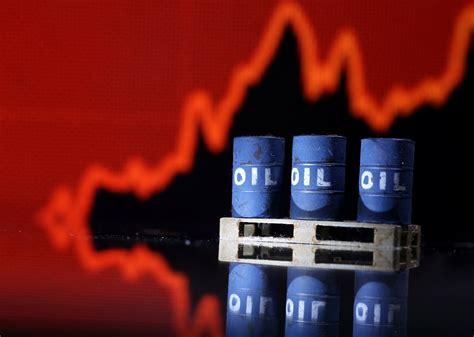
Rising tensions in the Middle East have once again reminded the world how tightly global energy markets are tied to geopolitics. Following recent military actions involving Iran, drivers across the United States have already begun to feel the impact at the pump. In some regions, prices have jumped dramatically in just days. California, for example, has seen an increase of roughly 44 cents per gallon within a single week, pushing average gasoline prices above $5 per gallon. With crude oil climbing past $90 per barrel, analysts and consumers alike are watching closely to see whether this surge is temporary—or the beginning of a much larger shock.
The global oil system operates like a delicate network of arteries. Disruptions in one critical region can ripple outward across continents. The Middle East plays an outsized role in this system because it produces a substantial portion of the world’s crude oil. When tensions escalate or military activity threatens production or transportation routes, markets react immediately. Traders anticipate shortages before they even occur, and that expectation alone can drive prices sharply higher.
Historically, conflicts involving the United States and Middle Eastern nations have often coincided with sudden shifts in fuel prices. During the 2003 invasion of Iraq, the average price of gasoline in the United States climbed from $1.45 to $1.60 per gallon within weeks as crude oil approached $30 per barrel. That initial rise appeared modest, but it marked the beginning of a longer trend. Over the next several years, global demand increased while geopolitical risks persisted, eventually pushing gasoline prices above $4 per gallon by 2008.
Why Middle East Conflicts Push Oil Prices Higher
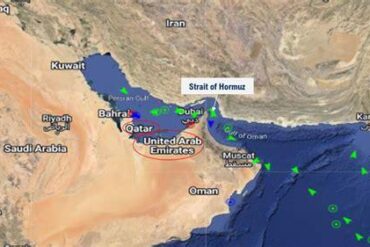
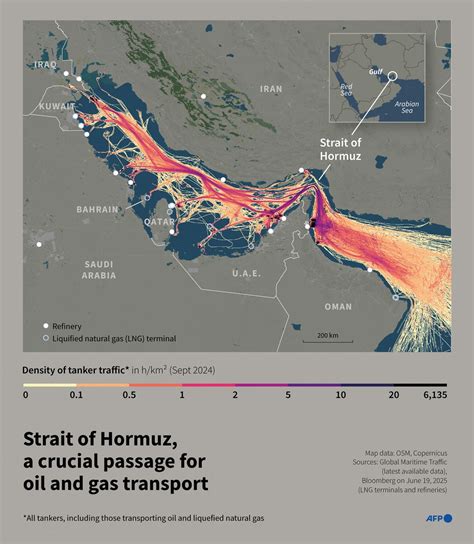
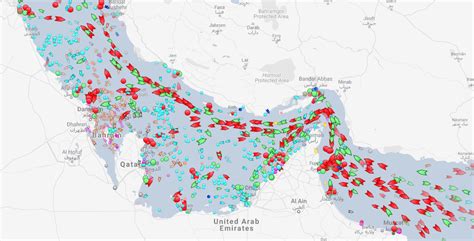
The main reason conflicts in this region affect fuel costs so quickly lies in supply disruption fears. One of the most strategically important chokepoints in the global energy system is the Strait of Hormuz, a narrow waterway connecting the Persian Gulf to international shipping lanes. Roughly 20 million barrels of oil pass through this strait every day, representing about one-fifth of the world’s total oil supply.
Recent tensions have already caused shipping delays in the region. Some oil tankers have reportedly been forced to halt or reroute operations due to safety concerns. When ships carrying crude cannot safely pass through the strait, the entire supply chain begins to slow down. Producers may reduce output, refineries worry about shortages, and wholesalers scramble to secure inventory before prices climb further.
Energy analyst Tom Kloza has noted that this reaction often resembles a form of market panic. When buyers fear that oil could become scarce, they begin purchasing aggressively in advance. That sudden spike in demand drives up crude prices almost instantly, even if the actual shortage has not yet materialized.
How High Could Gas Prices Climb?
Predicting the precise ceiling for gasoline prices is notoriously difficult, but analysts have offered several scenarios based on how long the conflict continues. Jay Young, CEO of King Operating Corporation, believes that if tensions persist for a month or longer, crude oil prices could surge beyond $100 per barrel. Such a move would almost certainly push gasoline significantly higher across North America.
Under more severe conditions—such as a prolonged closure of the Strait of Hormuz—some analysts warn the price of crude could reach $150 per barrel. According to GasBuddy petroleum analyst Patrick De Haan, that kind of spike would send gasoline prices climbing rapidly, potentially exceeding $5 or even $6 per gallon in parts of the United States.
The speed of these changes often surprises consumers. Fuel prices can rise quickly because retail stations adjust prices based on anticipated replacement costs, not just the fuel currently stored in their tanks. In other words, markets price in tomorrow’s risk today.
Why Prices Might Not Stay High Forever
Despite the alarming forecasts, some experts believe the worst-case scenarios remain unlikely. While the Middle East remains a crucial oil producer, it is no longer the sole pillar of global supply. The United States, Canada, Brazil, and several other nations have expanded production significantly over the past decade. This diversification provides a buffer that did not exist during earlier oil crises.
Kloza and other analysts argue that unless shipping routes remain blocked for an extended period, markets may eventually stabilize. Once tankers resume safe passage through the Strait of Hormuz and production returns to normal levels, crude prices could retreat.
Still, history suggests that energy markets rarely return fully to their previous baseline after major disruptions. Even if tensions ease, the lingering risk premium attached to Middle Eastern supply routes could keep gasoline prices elevated compared with earlier levels.
In the strange physics of global energy economics, a narrow strip of water thousands of miles away can determine the cost of a commuter’s morning drive. The fate of oil tankers in the Persian Gulf may ultimately shape what drivers everywhere pay at the pump.