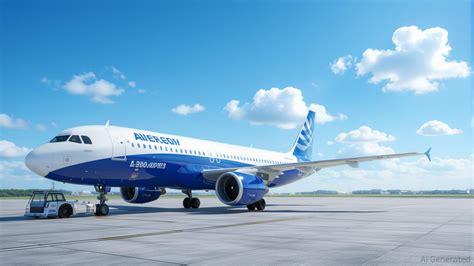
Airbus has regained momentum in 2026 after a challenging start to the year, delivering 237 commercial aircraft during the second quarter and reaffirming its goal of handing over approximately 870 aircraft for the full year. The latest figures represent a nearly 40% increase compared with the same period last year, highlighting a significant improvement in production flow and supplier performance.
The European aircraft manufacturer released its second-quarter results alongside its latest financial update, showing that stronger deliveries translated into improved revenue and profitability. Airbus’ performance indicates that the company is gradually overcoming the supply chain disruptions that slowed aircraft completions earlier in the year.
Airbus Delivery Growth Strengthens 2026 Production Outlook
During the second quarter, Airbus delivered 237 aircraft, bringing its first-half total to 351 aircraft. Although the manufacturer still needs a substantial increase in deliveries during the second half of the year to reach its annual objective, Airbus believes production improvements will allow it to maintain its previously announced target.
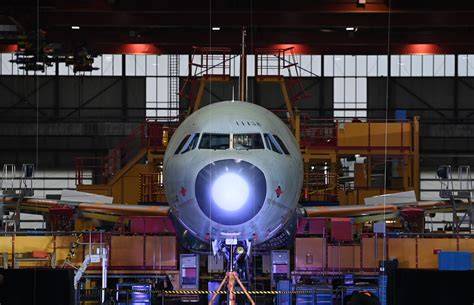
Aircraft deliveries are traditionally concentrated toward the end of the year because completed jets must pass final assembly, testing, certification procedures, and customer acceptance before entering service. This seasonal pattern gives Airbus confidence that its delivery pace can accelerate during the remaining months.
The company’s decision to maintain its 870-aircraft delivery target demonstrates that management sees current production improvements as sustainable. Airbus has continued working closely with suppliers to stabilize output across multiple aircraft programs, particularly the popular A320neo family, which represents the backbone of its commercial aircraft business.
Strong Financial Results Reflect Airbus’ Operational Recovery
The improved delivery performance was accompanied by stronger financial results. Airbus reported €20.53 billion in revenue, representing a 28% year-on-year increase. Adjusted earnings before interest and taxes (EBIT Adjusted) climbed 54% to €2.43 billion, showing the positive impact of higher aircraft deliveries and improved operational efficiency.
Airbus also maintained its full-year financial guidance, including approximately €7.5 billion in adjusted EBIT and around €4.5 billion in free cash flow before customer financing. Keeping these targets unchanged suggests that the company expects its production recovery to continue without major disruptions.
The results also underline Airbus’ position as the world’s leading commercial aircraft manufacturer by deliveries. While competition with Boeing remains intense, Airbus has benefited from strong demand for fuel-efficient aircraft, particularly within the narrowbody market.
Supply Chain Improvements Drive Airbus Production Recovery
Like much of the aerospace industry, Airbus entered 2026 facing continued challenges involving engine availability, component shortages, and supplier capacity constraints. These issues affected aircraft completion rates during the first quarter, creating a slower-than-planned start to the year.
However, conditions improved significantly in the second quarter as suppliers increased output and Airbus completed more aircraft awaiting final delivery. The recovery demonstrates the importance of a stable global aerospace supply chain, where even small delays can affect hundreds of aircraft scheduled for airlines worldwide.
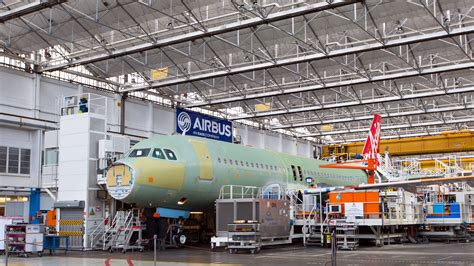
Airbus continues to pursue ambitious production increases across its aircraft portfolio. The company remains committed to increasing A320neo family production to approximately 75 aircraft per month by 2027 while also expanding output of the A220 and A350 programs.
Achieving these production goals will depend heavily on suppliers maintaining consistent performance. Airbus has emphasized that production increases must be supported by reliable deliveries of engines, structures, avionics, and other critical aircraft components.
Growing Orders Support Airbus’ Long-Term Aircraft Demand
Beyond deliveries, Airbus continues to benefit from a strong order backlog supported by airlines and leasing companies around the world. Recent commitments demonstrate continued confidence in the manufacturer’s aircraft portfolio across both narrowbody and widebody segments.
Major agreements include SMBC Aviation Capital’s order for 100 A320neo family aircraft, consisting of 65 A321neos and 35 A320neos. Airbus has also secured additional widebody demand, including SAS’ order for 18 A330neos and Riyadh Air’s agreement for six additional A350-1000 aircraft.
Other customers are expanding their Airbus fleets as aviation demand continues recovering globally. Flynas added 25 aircraft, including five A330-900s and 20 A321neos, while Shohin Airlines disclosed an order for four A320neo family jets.
These deals reflect the broad market appeal of Airbus aircraft. The A320neo family remains popular for short- and medium-haul operations, while models such as the A330neo and A350 support airlines seeking efficient long-range solutions.
Airbus Faces a Critical Second Half of 2026
With 351 aircraft delivered in the first six months of 2026, Airbus must significantly increase output during the remainder of the year to achieve its 870-aircraft objective. The challenge will depend on whether suppliers can continue improving production rates and whether Airbus can maintain efficient final assembly operations.
The second-quarter recovery provides a positive sign that Airbus is moving in the right direction. Stronger deliveries, improved financial performance, and continued customer demand have strengthened confidence in the company’s ability to complete the year successfully.
As global airlines continue modernizing fleets and expanding capacity, Airbus enters the second half of 2026 with strong market demand behind it. The company’s ability to transform improved production momentum into higher deliveries will be one of the most closely watched developments in the commercial aviation industry.