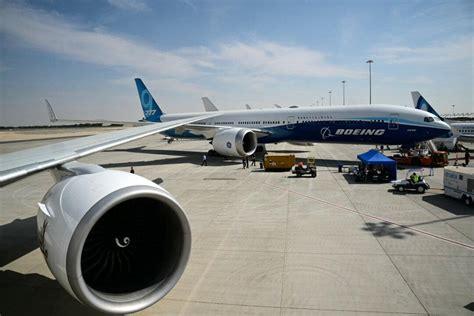
Boeing’s commercial aircraft recovery continued to gather momentum in May, with the aerospace manufacturer delivering 60 aircraft, a 33% increase compared with the same month last year. The strong delivery performance reflects improving production stability across Boeing’s factories and provides another indication that the company is gradually rebuilding after years of manufacturing disruptions, certification challenges, labor disputes, and supply chain constraints.
The latest figures demonstrate meaningful progress under the leadership of CEO Kelly Ortberg, whose strategy has focused heavily on restoring production efficiency, increasing output rates, and improving operational execution. While deliveries provided encouraging news for Boeing and its investors, the company’s order performance told a more complicated story. Despite securing several notable deals during the month, Boeing finished May with only 11 net new orders after cancellations significantly reduced its overall gains.
For an aircraft manufacturer, deliveries often matter more than announcements of future sales. Airlines typically make a substantial portion of their aircraft payments when jets are officially handed over, making deliveries one of the most important drivers of cash flow. As a result, Boeing’s ability to increase the number of aircraft reaching customers represents a critical step toward strengthening its financial position.
The delivery breakdown highlights the importance of the company’s narrowbody business.
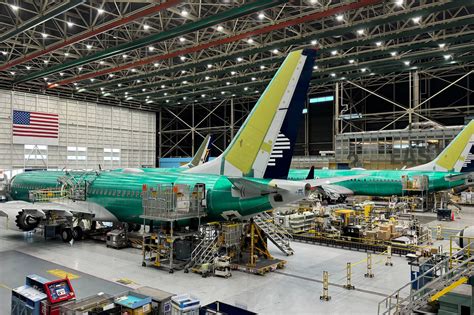
A total of 51 Boeing 737 MAX aircraft were delivered during May, making it the strongest month for the program since production resumed following labor-related disruptions that affected manufacturing operations in late 2024. The 737 MAX remains Boeing’s most important commercial product, serving as the backbone of airline fleet renewal strategies across the world. In addition to the MAX deliveries, Boeing handed over six 787 Dreamliners, one 777 freighter, one 767 freighter, and one 737 Next Generation aircraft destined for military conversion.
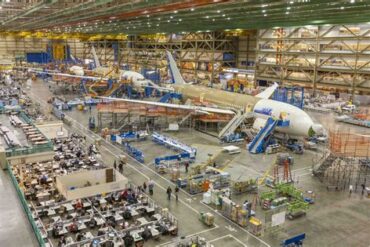
The delivery surge comes as Boeing works to increase production rates across key programs. Regulatory authorities recently approved higher manufacturing levels for the 737 MAX, allowing the company to move closer toward its objective of producing approximately 47 aircraft per month later this year. Achieving and sustaining that target would represent a major milestone in Boeing’s long-term recovery plan and help narrow the production gap with its European rival.
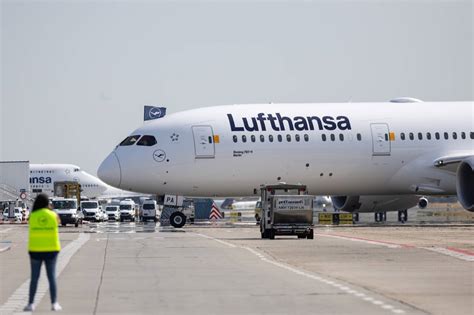
While the delivery figures painted a positive picture, Boeing’s order activity revealed ongoing challenges in converting customer interest into firm contractual commitments. During May, the manufacturer recorded 27 gross orders, including a significant purchase of 10 Boeing 787 Dreamliners from Lufthansa and an order involving 14 Boeing 737 aircraft that will be modified for military applications by an undisclosed customer.
However, those gains were partially erased by a major reversal involving the 737 MAX program.
A customer withdrew a previously announced commitment for 16 Boeing 737 MAX aircraft, resulting in a substantial reduction to Boeing’s monthly order total. After accounting for cancellations, the manufacturer ended May with only 11 net new orders. Although cancellations are a normal part of the commercial aviation business, the scale of the adjustment demonstrates how quickly order books can fluctuate as airlines reassess financing conditions, fleet requirements, economic forecasts, and growth strategies.
The setback does not necessarily indicate weakening demand for Boeing products. Global airlines continue to pursue fleet modernization programs as they seek greater fuel efficiency and lower operating costs. Aircraft such as the 737 MAX and 787 Dreamliner remain highly attractive because they offer significant performance improvements compared with older-generation jets. Nevertheless, the May figures serve as a reminder that interest from potential customers must ultimately translate into signed agreements and completed transactions.
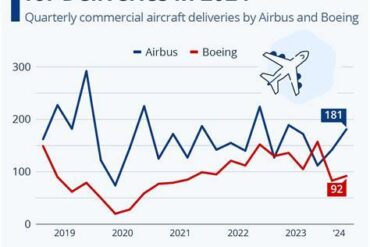
Competition with Airbus remains another defining aspect of Boeing’s recovery story. The European manufacturer continued to lead monthly deliveries during May, handing over 81 aircraft compared with Boeing’s 60. On a year-to-date basis through the end of May, Airbus recorded 262 deliveries, while Boeing reached 250 aircraft.
Although Airbus maintains a narrow lead, Boeing has significantly reduced the gap compared with previous years when production restrictions and certification issues heavily constrained output. The improvement suggests Boeing’s manufacturing recovery is beginning to gain traction, particularly within the high-volume single-aisle market where the 737 MAX directly competes against the Airbus A320neo family.
One of the most encouraging indicators for Boeing remains the strength of its long-term backlog. At the end of May, the company held approximately 6,178 aircraft in its order book, representing years of future production. Such a backlog provides substantial visibility into future manufacturing activity and offers reassurance that customer demand remains fundamentally healthy despite periodic cancellations and order adjustments.
For investors, suppliers, and airline customers, Boeing’s May performance presents a balanced but generally positive assessment of the manufacturer’s trajectory. Delivery growth is accelerating, production rates are increasing, and the company is steadily restoring operational momentum. These achievements are particularly important because stronger deliveries directly support cash generation and financial recovery.
At the same time, the sharp decline in net orders highlights the challenges that remain. Boeing must continue rebuilding customer confidence, executing production plans consistently, and competing aggressively against Airbus in a market where airlines have numerous options for fleet renewal. The company’s progress in raising output levels is encouraging, but sustained success will depend on maintaining both manufacturing reliability and strong customer demand in the years ahead.
May’s results ultimately illustrate a company moving in the right direction operationally while still navigating the complexities of a highly competitive global aviation market. Boeing’s recovery is becoming increasingly visible through rising deliveries, yet the path forward will require continued discipline as the manufacturer works to transform production momentum into long-term commercial success.