The aviation industry is beginning to emerge from one of its most turbulent operating environments in recent years, but travelers hoping for a rapid decline in ticket prices may be disappointed. While fuel markets have stabilized following the interim peace agreement between the United States and Iran, airline executives and industry analysts believe elevated fares are likely to persist well into the foreseeable future. Among the carriers navigating this transition, United Airlines stands out for its confidence in recovering the financial damage caused by the dramatic fuel price surge that disrupted the sector earlier in 2026.
The fuel crisis, triggered by heightened geopolitical tensions in the Middle East and the subsequent disruption of critical aviation corridors, sent shockwaves throughout global airline networks. Jet fuel prices climbed sharply during the first half of the year, placing enormous pressure on carriers already managing complex operational challenges. For airlines, fuel remains one of the largest and most volatile operating expenses, making sudden price spikes particularly difficult to absorb without passing costs on to consumers.
United Airlines, one of the world’s largest carriers by fleet size, passenger traffic, and route network, experienced significant exposure to these rising costs due to the scale of its operations. As fuel expenses accelerated throughout the spring, the airline implemented various revenue-enhancement measures, including increases to baggage fees and other ancillary charges, aimed at offsetting mounting operational expenditures.
Industry-wide data illustrates the magnitude of the challenge. Analysis from Deutsche Bank showed that between January and May, fuel prices rose at a pace nearly three times faster than airline ticket prices. As a result, U.S. carriers collectively absorbed approximately $24.1 billion in additional fuel-related costs during that period. Analysts estimated that airlines would recover only around $14.4 billion of those expenses through fare increases and supplemental revenue streams, representing less than 60% of the total burden.
Despite those industry-wide projections, United Airlines Chief Executive Officer Scott Kirby has expressed considerably greater optimism regarding his company’s financial trajectory. According to Kirby, United is on course to recover the entirety of its fuel-related cost increases by the end of 2026, a projection that would significantly outperform many of its competitors.
Why Fuel Prices Remain a Major Concern for Airlines
Although fuel prices have retreated from their peak levels recorded earlier this year, they remain substantially higher than historical norms. This distinction is crucial because lower prices compared to a recent peak do not necessarily translate into cheaper operating conditions for airlines.
Research from the International Air Transport Association indicates that global jet fuel prices remain approximately 54% higher than they were at the same point in 2025. North American carriers are facing fuel costs that remain roughly 50% above year-earlier levels, while airlines operating in the Middle East continue to contend with increases of around 60%. Markets across Asia and Oceania face similarly elevated conditions, with jet fuel prices exceeding last year’s levels by more than 60%.
These figures demonstrate why airlines are reluctant to reduce fares despite the recent improvement in geopolitical conditions. Fuel expenses continue to represent a significantly larger share of operating costs than they did just twelve months ago. Consequently, carriers remain focused on rebuilding margins rather than initiating aggressive price competition.
The persistence of elevated fuel prices also highlights a broader reality within commercial aviation. Airline pricing rarely moves in perfect synchronization with commodity markets. Even when fuel costs decline, carriers typically wait for sustained stability before adjusting pricing strategies, especially after enduring periods of extraordinary financial pressure.
Capacity Constraints Continue Supporting Higher Ticket Prices
Fuel costs are only part of the equation. A second factor helping maintain elevated airfares is the ongoing imbalance between supply and demand across numerous aviation markets.
Demand for both leisure and business travel remains resilient, while available capacity has not expanded quickly enough to fully satisfy passenger demand. This mismatch has allowed airlines to preserve stronger pricing power than many analysts expected earlier in the year.
The result is a marketplace where airlines have little incentive to aggressively lower fares. Industry data indicates that U.S. domestic airfares in June 2026 were more than 34% higher than they were during the same month in 2025, underscoring the continued strength of airline pricing across the market.
United Airlines’ Mixed Capacity Strategy in the Third Quarter
A closer examination of United Airlines’ third-quarter schedule reveals a more nuanced picture of capacity growth. While the airline’s overall capacity is increasing compared with 2025, growth is not occurring uniformly across every segment of its network.
Regional operations, which play a critical role in feeding passengers into United’s larger hubs, are experiencing selective reductions. Flights operated by Mesa Airlines under the United Express banner are scheduled to decline by nearly 6% during the third quarter, falling from 21,852 flights last year to 20,564 this year.
CommuteAir faces an even steeper reduction. Scheduling data indicates that the carrier’s United Express operations will decrease by approximately 7.8%, reflecting a significant pullback in regional flying activity.
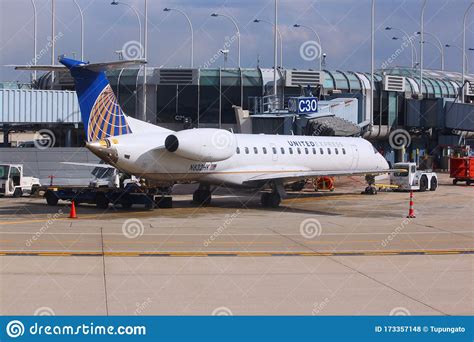
However, these reductions are being offset elsewhere within the network. Regional partners including GoJet, Republic Airways, and SkyWest are all expanding their United Express operations. At the same time, United’s mainline fleet is recording notable growth, with scheduled flying increasing by roughly 3.7% year over year.
High Fares Likely to Persist Through the Recovery Phase
The combination of elevated fuel costs, disciplined capacity management, and strong travel demand suggests that airfare relief may remain limited despite improving geopolitical conditions. While airlines such as United appear increasingly confident about restoring profitability and recovering extraordinary fuel expenditures, passengers are unlikely to experience a corresponding reduction in ticket prices in the near term.
For United Airlines, the outlook is considerably brighter than it appeared during the height of the fuel crisis. The carrier’s ability to recover rising costs demonstrates the effectiveness of its pricing strategy and network management. Yet for travelers, the industry’s recovery story carries a different implication: even as fuel markets stabilize and global tensions ease, the era of elevated airfares is far from over.