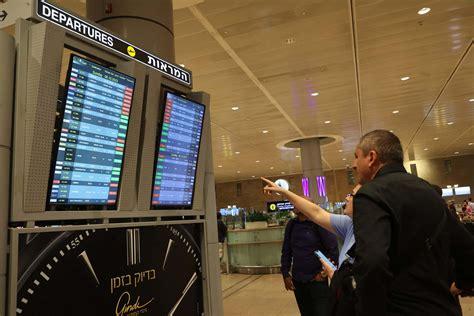
After months of suspended service triggered by heightened regional instability, Lufthansa Group and several other major European carriers are returning to Tel Aviv, marking a significant milestone in the slow but steady revival of air connectivity to Israel. This strategic move reflects a cautiously optimistic shift in regional security assessments and is expected to ease travel restrictions for business, tourism, and diplomatic purposes alike.
Lufthansa Group Restores Network With Cautious Optimism
The Lufthansa Group—encompassing Lufthansa, Austrian Airlines, Brussels Airlines, and Swiss International Air Lines—is spearheading the reintroduction of commercial flights to Ben Gurion Airport. Service resumes officially on August 1, 2025, beginning with a limited number of flights before scaling up to 44 weekly departures mid-month. These flights will be shared across Lufthansa, Austrian Airlines, and Lufthansa Cargo, ensuring not only passenger service but also vital air freight movement between Israel and Europe.
The reinstatement follows comprehensive security evaluations by Lufthansa officials in the wake of a missile incident near Tel Aviv in May 2025. At that time, operations were suspended out of caution. Since then, improvements in the regional security climate have prompted Lufthansa to resume flights, though the airline has confirmed that it will continue monitoring developments closely and may revise schedules in response to any future threats.
Ryanair Returns With a Cautious Outlook
Ryanair, Ireland’s prominent low-cost carrier, has confirmed its return to Tel Aviv with flights restarting from October 25, 2025. Unlike some of its competitors, Ryanair opted for a delayed reentry strategy, placing the safety of its crew and passengers at the forefront. The airline had initially halted operations due to the same missile scare near Ben Gurion Airport and chose not to rush its return until it was fully confident in the stability of the airspace.
Ryanair’s delayed entry is seen as a strategic move to reenter a lucrative market without compromising operational integrity. The airline is actively preparing to reintegrate routes that support both leisure and business travelers looking to visit Israel during the fall travel season.
Wizz Air Launches Bold Expansion in Israel
In contrast to Ryanair’s cautious approach, Wizz Air is aggressively pursuing market dominance in Israel. The Hungarian budget airline will resume its flights to Tel Aviv starting August 8, 2025, with plans to rapidly scale up service to make it the largest European carrier in Israel by September.
Wizz Air’s ambitions are clear: to meet pent-up travel demand by offering low-cost options for both Israeli citizens and European tourists. The airline has stated that this move aligns with its vision of providing affordable access across the “green peninsula”, a term reflecting Europe’s gradually normalized air travel landscape. The company expects strong performance due to competitive pricing, broad connectivity, and a young, agile fleet.
Brussels Airlines and Swiss Signal Confidence With Summer Resumption
Brussels Airlines, also under the Lufthansa Group umbrella, is slated to restart service from August 13, 2025, offering at least seven weekly flights from its hub in Brussels to Tel Aviv. The carrier has completed its security risk assessments and believes current conditions allow for a safe return.
Joining the wave, Swiss International Air Lines will restart operations to Israel on September 29, 2025, with daily flights from Zurich. The Swiss flag carrier’s decision marks a return after a prolonged absence, and its confidence in the current environment is underpinned by thorough security evaluations. Daily summer flights will offer European travelers renewed access to one of the Middle East’s most significant cultural and economic centers.
Eurowings Eyes Late 2025 Return
Looking ahead to the latter part of the year, Eurowings—another Lufthansa Group affiliate—has set a return date of October 26, 2025, with multiple weekly flights between Düsseldorf and Tel Aviv. Though this return is notably later than its sibling airlines, Eurowings’ entry will significantly increase direct flight options between Germany and Israel.
This delayed return also hints at a more measured approach. Eurowings will monitor evolving conditions and potentially expand routes and frequencies once operational stability is confirmed. For German travelers, this provides additional non-stop options just as the winter travel season begins.
Other Airlines Adopt a More Cautious Stance
While many carriers are resuming service, some remain hesitant amid ongoing volatility in the region. British Airways, one of the UK’s flagship carriers, has yet to set a definitive return date. The airline continues to monitor conditions closely and is evaluating the optimal timing for its reentry.
Similarly, easyJet, the UK-based budget airline, has opted for a more prolonged suspension of service. It recently extended its flight freeze to Tel Aviv until March 29, 2026, citing a commitment to passenger and crew safety as its primary concern. This extension underscores the varied risk tolerance among European carriers and highlights the complex nature of operating in the region.
Tel Aviv’s Strategic Importance in European Air Networks
Tel Aviv’s Ben Gurion Airport has long served as a vital hub for travel between Europe and the Middle East. Its temporary isolation following the missile incident was a major disruption not only for tourism but also for commerce, religious pilgrimages, diplomatic travel, and cargo logistics.
As one of the busiest airports in the Middle East, Tel Aviv is a focal point for inbound and outbound travel in Israel, connecting it to major European capitals such as Frankfurt, Zurich, Brussels, Vienna, and Budapest. The resumption of flights by multiple carriers signals a broader effort to restore normalcy and economic resilience in the region.
A Measured Return in a Complex Security Landscape
All returning airlines have emphasized that flight resumptions are subject to ongoing risk assessments. Carriers are working in close coordination with Israeli aviation authorities, airport security teams, and international risk monitoring bodies to ensure passenger safety. Any sign of deterioration in regional stability could result in swift schedule adjustments.
In practical terms, travelers planning flights to or from Israel should remain vigilant and flexible. Frequent schedule reviews, potential re-routings, or abrupt cancellations may occur with little notice, depending on security advisories. Direct communication with airlines and close monitoring of travel advisories from official government channels are essential.
What This Means for Travelers and Tourism
For travelers, the return of air connectivity to Tel Aviv presents a mixture of opportunity and responsibility. Increased options offer better fare competitiveness and convenience, especially for those seeking to reconnect with family or engage in regional commerce. However, passengers must remain proactive in checking flight statuses and ensuring contingency plans are in place.
For Israel’s tourism sector, which has faced a significant downturn due to the flight suspensions and geopolitical concerns, the airline returns provide a much-needed boost. Hotel chains, tour operators, and destination marketers are now able to plan ahead with greater confidence. The gradual normalization of air service is also expected to encourage group travel and business delegations in the coming quarters.
The Path Forward: Hope with Caution
The resumption of flights to Tel Aviv by some of Europe’s largest airlines underscores a cautiously optimistic outlook. While risks remain and are being managed with agility, the concerted effort among airlines to re-establish safe routes signals a broader confidence in regional stabilization. Lufthansa Group’s leadership in restarting service, followed by low-cost and national carriers alike, is building the foundation for Tel Aviv’s return as a premier gateway between Europe and the Middle East.
Travelers now have more choices than at any time since the suspensions began, but prudence and situational awareness will continue to define the flying experience. In this new phase of operations, safety, flexibility, and resilience will remain the pillars of air travel to Israel.