Delta Air Lines entered 2026 facing one of the most volatile operating environments since the pandemic era, yet the carrier’s leadership remains remarkably confident about the months ahead. Although the Atlanta-based airline posted a $289 million net loss during the first quarter of 2026, executives signaled that strong premium demand, resilient international bookings, and aggressive cost-control measures are positioning the company for a stronger second half of the year.
The loss marked a sharp reversal from the $320 million profit Delta recorded during the same period in 2025. Even so, investors reacted positively after the company released its earnings report, sending shares higher as the market focused less on the quarterly loss itself and more on Delta’s operational resilience and future revenue outlook.
Much of the pressure stemmed from surging fuel prices linked to the ongoing geopolitical instability surrounding the Iran conflict. Across the global airline industry, carriers have been forced to navigate rapidly escalating operating costs, disrupted air corridors, and uncertainty surrounding international demand. Delta, however, believes its scale, premium-heavy business model, and operational flexibility give it a stronger defensive position than many competitors.
Revenue figures helped reinforce that confidence. Delta generated approximately $15.9 billion in operating revenue during the quarter, a substantial increase from the prior year, while total revenues climbed to $14.2 billion, up nearly 10% year-over-year despite mounting cost pressures.
After several years focused heavily on rebuilding post-pandemic capacity, Delta is now shifting toward margin protection and disciplined network management.
Delta Prioritizes Profitability Over Aggressive Expansion
Chief Executive Officer Ed Bastian made it clear that Delta’s immediate strategy revolves around protecting profitability rather than chasing rapid growth. The airline is reducing planned capacity increases while simultaneously raising ancillary revenues to offset rising fuel expenses.
Delta announced that passenger capacity will be reduced by approximately 3.5% over the next three months, with domestic routes expected to absorb most of the cuts. Markets featuring multiple daily frequencies are particularly vulnerable to schedule reductions as the airline seeks to optimize aircraft utilization and maintain stronger load factors.
The move reflects a wider trend emerging across the global aviation sector in 2026. Airlines are increasingly prioritizing yield management over expansion as geopolitical risks and volatile fuel markets create unpredictable operating conditions.
At the same time, Delta is introducing higher checked baggage fees for the first time in two years. The first checked bag fee will rise from $35 to $45, while the second checked bag increases from $45 to $55. Although ancillary fee increases are often unpopular with travelers, airlines continue to rely heavily on these revenue streams during periods of elevated operational costs.
Bastian described the strategy as necessary to preserve margins and maintain cash flow stability during a highly uncertain period for the aviation industry.
The airline’s premium-focused model continues to provide another critical buffer. Delta reported that premium revenue increased by 14% year-over-year, while loyalty-related revenues climbed 13%, underscoring continued consumer willingness to pay for higher-end travel experiences even amid broader economic uncertainty.
Iran Conflict and Fuel Prices Continue to Pressure Airlines
The largest challenge confronting Delta remains the extraordinary rise in jet fuel costs. During the first quarter alone, fuel expenses surged to approximately $2.6 billion, representing an 8% increase from the previous year.
Executives expect conditions to worsen during the second quarter. Based on projected fuel prices averaging roughly $4.30 per gallon, Delta estimates its fuel bill between April and June could rise by an additional $2 billion compared to 2025.
Unlike some international carriers, Delta abandoned traditional fuel hedging practices roughly a decade ago. At the time, many major US airlines concluded that hedging programs often created unnecessary financial complexity and unpredictable outcomes. However, the absence of extensive fuel hedging also leaves carriers more exposed during periods of sudden geopolitical disruption.
Despite that vulnerability, Delta maintains a unique advantage few airlines possess: ownership of its own refinery.
Delta’s Trainer Refinery Provides Strategic Protection
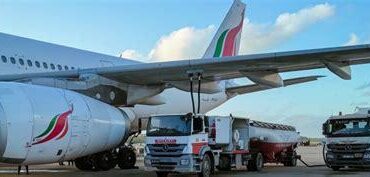
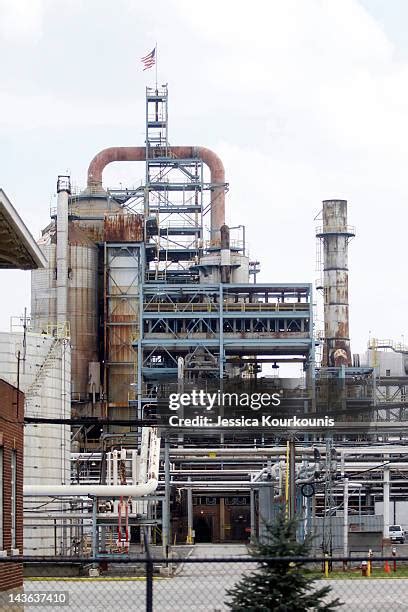
Delta’s ownership of the Trainer refinery near Philadelphia continues to play an important role in mitigating fuel volatility. The refinery allows the airline to produce a portion of its jet fuel internally rather than relying entirely on external suppliers.
According to company estimates, the refinery generates approximately $300 million in annual savings under favorable market conditions. More importantly, the facility provides Delta with greater operational flexibility during periods when refined fuel prices spike faster than crude oil costs.
The refinery strategy has often been viewed as unconventional within the airline industry, but recent fuel disruptions have renewed attention on Delta’s vertically integrated approach. As global fuel markets tighten due to geopolitical instability and supply disruptions, the ability to partially control refining capacity offers a valuable financial cushion.
This advantage becomes particularly significant as airlines worldwide struggle to absorb rising fuel expenses without dramatically increasing fares or reducing service levels.
Delta’s management believes these structural advantages position the airline to outperform competitors during prolonged market instability.
Strong Demand Keeps Delta Optimistic About 2026
Despite reporting a quarterly loss, Delta’s leadership remains adamant that underlying travel demand remains robust. The airline projects second-quarter revenues to grow in the low teens percentage range, with operating margins forecast between 6% and 8%.
Adjusted earnings per share are expected to land between $1 and $1.50, signaling a potentially sharp rebound from the weak first quarter.
Bastian emphasized that the company still expects to generate approximately $1 billion in profit during the June quarter, a forecast that helped reassure investors following the earnings release.
The optimism stems largely from sustained strength in premium travel demand. Corporate bookings, international leisure travel, and loyalty program activity have all remained resilient despite higher ticket prices and geopolitical concerns.
Delta’s premium cabins continue to outperform expectations, reflecting a broader industry trend in which high-income travelers remain relatively insulated from economic pressure. Airlines with strong premium products have generally recovered faster and maintained stronger margins than carriers heavily dependent on budget-focused leisure demand.
The company also continues benefiting from the strength of its SkyMiles loyalty ecosystem, which has evolved into one of the most profitable components of Delta’s business model.
Fleet Modernization Strengthens Long-Term Outlook
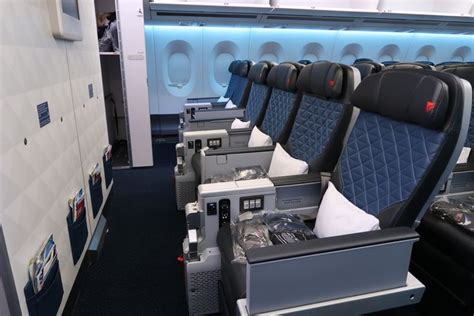
Another major pillar supporting Delta’s long-term confidence is its aggressive fleet modernization strategy. During the first quarter of 2026, the airline placed orders for 95 new aircraft, representing one of the most significant fleet investments in recent company history.
The order includes:
- 34 Airbus A321neo aircraft
- 31 Airbus A330neo and A350 widebody jets
- 60 Boeing 787-10 Dreamliners
These aircraft are expected to replace older, less fuel-efficient jets while improving operational reliability and lowering long-term maintenance costs.
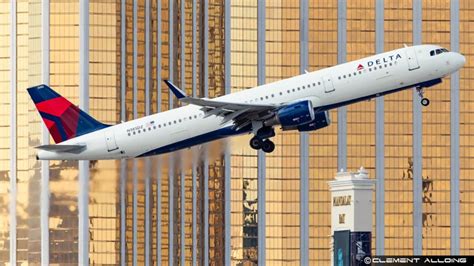
Delta also took delivery of eight new aircraft during the quarter, including Airbus A321neo and A220-300 models. The new-generation aircraft offer substantial fuel efficiency improvements, which are increasingly critical as airlines battle escalating energy costs.
Fleet commonality is another major advantage. Operating larger numbers of similar aircraft types reduces pilot training expenses, streamlines maintenance procedures, and improves scheduling flexibility.
Operational reliability remains one of Delta’s strongest competitive advantages. Even amid industry-wide disruptions caused by fuel pressures and geopolitical instability, Delta was once again named North America’s most on-time airline by Cirium for the fifth consecutive year.
Network Expansion Continues Despite Capacity Discipline
Although Delta is reducing short-term capacity growth, the airline continues selectively expanding key strategic markets.
New routes announced during the quarter include additional services between Austin and Phoenix, as well as expanded Austin-to-Bozeman operations beginning during the winter 2026/27 schedule. By the end of 2026, Delta expects to serve 30 destinations from Austin.
The airline is also strengthening its Florida network from Los Angeles, adding new services to Palm Beach, Tampa, and Orlando using Airbus A321neo aircraft.
On the premium transcontinental side, Delta introduced new nonstop flights between New York-JFK and Orange County’s John Wayne Airport, operated with aircraft equipped with the airline’s premium Delta One cabin.
These targeted expansions highlight Delta’s broader strategy: cautious overall growth paired with concentrated investment in high-demand, high-margin markets capable of generating stronger long-term returns.