BAE Systems, one of the UK’s most prominent defense contractors, has expressed strong confidence in securing substantial new orders for its advanced Typhoon fighter jets from key export markets, including Qatar, Saudi Arabia, and Turkey. This strategic move is crucial for the company as it navigates the complexities of international defense contracts, with the potential to increase Typhoon production by up to 150 additional aircraft.
BAE Systems’ Confidence in Typhoon Fighter Jet Exports
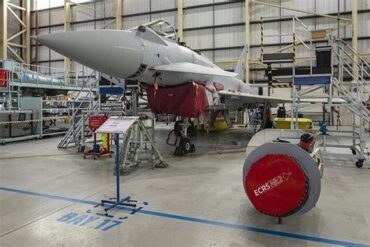
Richard Hamilton, Managing Director for Europe and International in BAE Systems’ Air sector, provided a detailed overview of the company’s strategy during a press briefing at their Warton facility in northern England. Hamilton emphasized that BAE Systems was actively working in partnership with the UK government to secure international contracts, a crucial effort that could shape the future of the company’s fighter jet exports. When asked about the prospects of winning these contracts, Hamilton did not hesitate in his response: “yeah, absolutely,” signaling high confidence in the success of these ongoing campaigns.
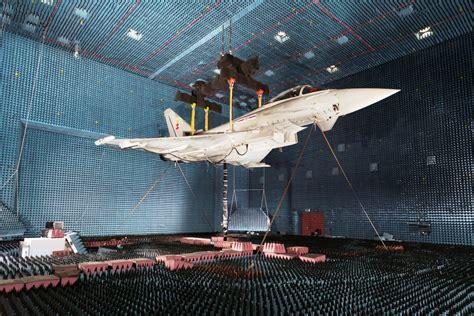
This optimism is grounded in several key factors, including BAE’s continued investment in upgrading and enhancing the Typhoon aircraft, a move that is expected to extend the jet’s operational life and increase its appeal to potential buyers. The focus on enhancing the Typhoon’s capabilities has been instrumental in BAE Systems’ approach to ensuring that the jet remains relevant in an ever-evolving defense landscape.
The Strategic Importance of Typhoon Upgrades
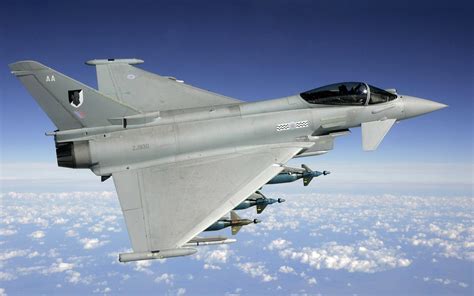
A critical component of BAE Systems’ strategy involves upgrading the Typhoon fighter jet to make it more versatile and capable in both current and future combat scenarios. Hamilton highlighted that these upgrades not only enhance the aircraft’s longevity but also serve as a significant selling point when negotiating with international buyers. He specifically mentioned Saudi Arabia and Turkey, noting that when these countries see the substantial investment made by the UK in the aircraft’s upgrades, it strengthens their confidence in the platform’s operational lifespan.
As global defense markets become increasingly competitive, the decision to invest in a multirole fighter jet that is continually upgraded becomes more attractive. The Typhoon, with its enhanced capabilities, positions itself as a top contender in the global defense market, meeting the needs of various nations seeking state-of-the-art military aircraft.
Export Campaigns and the Role of International Relations
The UK government’s role in these export campaigns is also crucial. According to Hamilton, the ongoing discussions with nations such as Saudi Arabia, Turkey, and Qatar are not just driven by the superior technological capabilities of the Typhoon but are also influenced by broader diplomatic and defense relationships. BAE’s ability to collaborate closely with the UK government enhances its chances of securing these high-value contracts.
The company’s international defense campaigns also highlight the geopolitical importance of the Typhoon fighter jet. Many of these countries, especially in the Middle East, are involved in complex geopolitical dynamics, and defense purchases are often tied to broader strategic interests. BAE Systems’ ability to navigate these dynamics, along with its strong relationships with key international buyers, positions it well in securing future orders.
The Economic Impact of New Typhoon Orders
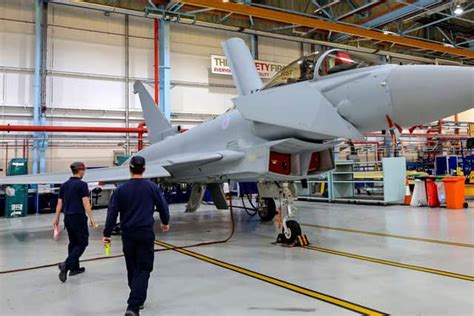
Securing orders for up to 150 Typhoon jets would have significant implications not only for BAE Systems but also for the broader UK defense sector. The future production of these aircraft is crucial for sustaining employment at BAE’s manufacturing facilities, particularly in Warton and other key sites. Without these vital export orders, there is a growing concern that the final assembly work for the Typhoon could dry up by the 2030s.
Trade unions have raised alarms about the potential impact of a lack of new orders on jobs, highlighting the importance of securing these international contracts for the long-term sustainability of the workforce. As the Typhoon’s production lines are critical to maintaining operational capability in the UK, these future sales campaigns are of paramount importance.
The Future of Typhoon in International Markets
The Typhoon fighter jet has established itself as a formidable platform, known for its versatility and advanced technology. As BAE Systems continues to focus on securing export contracts, the company’s efforts in enhancing the aircraft’s capabilities will only increase its appeal to countries seeking cutting-edge military technology.
With Qatar, Saudi Arabia, and Turkey being key players in the international defense market, the Typhoon’s future in these regions looks promising. In particular, the Middle East remains a hotspot for defense acquisitions, with countries in the region looking to modernize their air forces and enhance their combat capabilities.
BAE’s ability to position the Typhoon as the premier choice for these nations, backed by the UK government’s support and the aircraft’s continuous upgrades, could prove to be a game-changer for the company. The potential for securing 150 additional orders would solidify the Typhoon as one of the leading fighter jets in the international market, ensuring that BAE remains a dominant force in the global defense industry.
Conclusion: A Pivotal Moment for BAE Systems
The future of the Typhoon fighter jet is now closely tied to the success of BAE Systems’ export campaigns. With strong backing from the UK government and the promise of enhanced capabilities, the company is well-positioned to secure up to 150 additional orders from key international buyers. These orders are not only crucial for maintaining long-term production lines but also for ensuring the continued relevance of the Typhoon in an increasingly competitive global defense market.
The outcome of these ongoing campaigns will play a pivotal role in shaping the future of BAE Systems and the UK defense sector, making this a critical moment for the company and the broader defense industry.