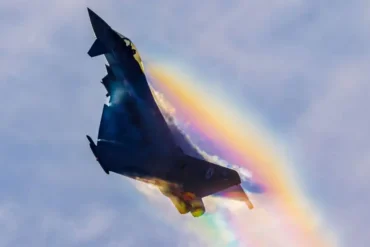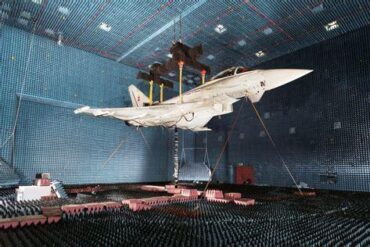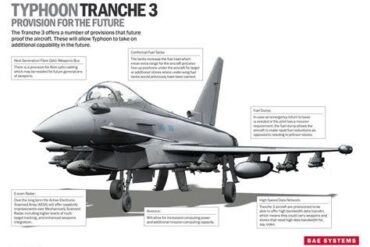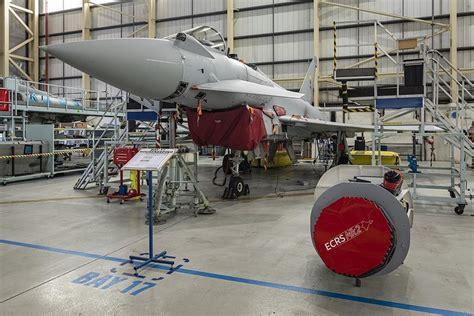
BAE Systems is advancing the future of aerial warfare with the integration of AI-driven technology into the Eurofighter Typhoon, testing a next-generation threat analysis system that could redefine air combat readiness. Unveiled at the Paris Air Show and now undergoing simulator trials in Warton, Lancashire, this strategic collaboration with Swedish defense tech company Avioniq is focused on introducing Rattlesnaq, a sophisticated real-time threat evaluation system.
The primary goal of the trial is to empower Typhoon pilots with instantaneous, highly accurate situational awareness, leveraging verifiable AI and missile threat modeling. In a world where warfare evolves by the second, and adversaries deploy increasingly complex and long-range missile systems, this initiative could mark a turning point in modern air combat capability.
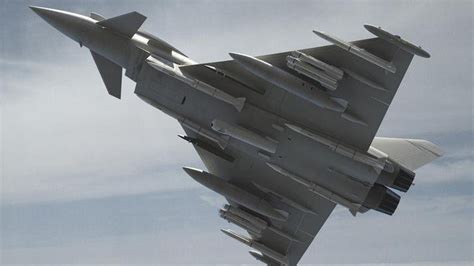
The Role of AI in Redefining Situational Awareness
At the heart of this initiative is Rattlesnaq, an AI-powered system developed by Avioniq, co-founded by former Swedish Air Force pilot Mikael Grev. This software doesn’t just analyze data — it constructs a living, dynamic map of threat boundaries, using advanced missile performance modeling and AI validation techniques. Rattlesnaq effectively draws a virtual border in contested airspace, highlighting safe zones for the pilot where the aircraft remains outside enemy missile range.
By doing so, the AI creates what BAE Systems refers to as a “cumulative threat boundary”, constantly updating in real time to reflect new data. In the beyond visual range (BVR) battlespace, this technology enables decisions not only faster, but with a greater margin of safety and tactical advantage.
From Simulator to Combat Readiness: The Warton Trials
The current phase of development is being carried out in the high-fidelity Eurofighter Typhoon simulator at BAE Systems’ Warton site. Engineers from both BAE and Avioniq are refining how the AI-driven technology integrates with the existing Typhoon avionics suite. These trials aim to validate how quickly and accurately the system can process threats and present actionable information to pilots mid-flight.
Paul Smith, Head of Typhoon Strategy at BAE Systems and a former RAF Typhoon pilot, stressed the importance of this capability: “Situational awareness is critical. Being able to make quick, accurate decisions is crucial when operating an aircraft like Typhoon. In the future battlespace, where threats are constantly changing, you need live, on-the-edge situational awareness.”
This reflects the growing need to elevate pilot cognitive bandwidth by offloading data crunching to intelligent systems — especially in a battlespace saturated with jamming, spoofing, and fast-evolving missile technology.
Verifiable AI: Accountability Meets Innovation
Unlike many black-box AI systems, Rattlesnaq operates with verifiable artificial intelligence, a key feature emphasized by Avioniq CEO Mikael Grev. This ensures that every output, warning, or tactical suggestion provided by the AI is auditable and independently verifiable, which is a cornerstone for any mission-critical military system.
The transparency of threat modeling also increases operator trust — a significant factor in pilot uptake and reliance during high-stress combat missions. Grev stated, “This means a single aircraft can deliver greater force-multiplying effect, defeating a wider range of threats more efficiently, increasing survivability and also supporting operations alongside uncrewed aircraft.”
This synergy of crewed and uncrewed combat aviation is a major trend in military aviation. AI technologies like Rattlesnaq are seen as pivotal in enabling manned aircraft to command or coordinate with drones or autonomous wingmen without being overwhelmed.
Combat Edge in the BVR Battlespace
One of the defining characteristics of modern aerial engagements is the beyond visual range (BVR) battlespace, where threats can emerge from dozens of kilometers away. Human pilots alone, even with traditional radar and warning systems, struggle to manually interpret data from multiple vectors and determine the best evasive maneuvers.
Rattlesnaq gives Eurofighter Typhoon pilots an edge by calculating threat zones based on missile types, engagement envelopes, relative velocities, and known enemy radar coverage. The AI can advise:
- Optimal flight corridors to avoid detection or missile locks
- Real-time maneuvering to stay outside enemy kill zones
- Engagement tactics that maximize survivability while preserving offensive capability
This empowers pilots to fly more confidently in contested airspace, no longer second-guessing missile ranges or relying solely on static defensive doctrine.
Force Multiplication Through AI Integration
The future of aerial warfare increasingly depends on how intelligently aircraft can operate as part of a networked force. By feeding AI-driven threat assessments into a battle management system, one Typhoon could act as an intelligence relay for an entire formation — multiplying combat efficiency.
In scenarios involving limited assets or when operating alongside uncrewed combat aerial vehicles (UCAVs), this becomes a tactical force multiplier. Rattlesnaq’s capability to deliver validated, edge-computed threat models directly to pilots or mission planners reduces time-to-decision, and enhances coordination in joint strike missions.
This aligns with broader military doctrines such as the UK’s Future Combat Air System (FCAS) and NATO’s emphasis on multinational, interoperable, AI-enabled operations.
Human-Centric AI Design Philosophy
While AI integration might conjure fears of automation overriding human control, the BAE-Avioniq partnership places pilots firmly at the center of the decision-making loop. Rattlesnaq doesn’t replace the pilot; it amplifies their perception and reaction time.
This is a crucial distinction. Fighter pilots are trained to interpret a vast array of data inputs in real-time — radar signals, infrared scans, comms, mission briefings — but the human brain has limits. AI helps filter that torrent of information into clear, actionable insights, helping prevent overload and decision fatigue.
Road to Full Integration: What’s Next?
The simulator phase marks just the beginning. With successful demonstrations, the next steps will involve:
- Flight testing on actual Typhoon platforms
- Assessing compatibility with other onboard sensors and weapons systems
- Operational trials with frontline squadrons
- Expansion into coalition force exercises and joint AI doctrine development
The project could eventually lead to AI co-pilot functionality, where systems like Rattlesnaq advise across all phases of mission execution — from ingress planning to threat evasion, target prioritization, and even weapon selection based on projected probabilities of kill (Pk).
Strategic Implications for NATO and Allied Air Forces
The successful deployment of this AI capability on the Eurofighter Typhoon would have strategic implications for NATO and allied forces operating the platform. Germany, Italy, Spain, and the UK — all primary users of the Typhoon — would gain a unified technological leap, enhancing their interoperability.
Moreover, the integration of Rattlesnaq could set a precedent for how verifiable AI systems become standardized across European defense platforms, potentially shaping policy, procurement strategies, and future design blueprints for sixth-generation fighters.
With the air superiority landscape growing more competitive, and threats like hypersonic missiles and integrated air defense systems becoming increasingly common, having such edge-based AI technology is no longer optional — it’s essential.
Conclusion: A New Chapter for Typhoon and AI-Enhanced Air Combat
The trial of Rattlesnaq on the Eurofighter Typhoon represents not just an incremental update, but a transformational leap in how air combat will be conducted in the 21st century. With AI acting as a trusted co-analyst rather than an opaque algorithm, pilots will soon navigate hostile skies with a level of clarity, confidence, and tactical insight previously unimaginable.
As development progresses, the implications extend beyond the Typhoon — potentially shaping the architecture of the future fighter programs and paving the way for a new generation of AI-enhanced, pilot-empowered air warfare.