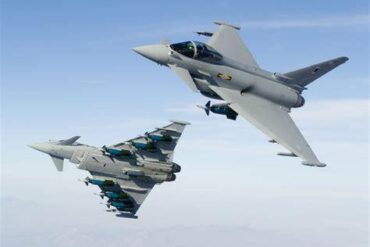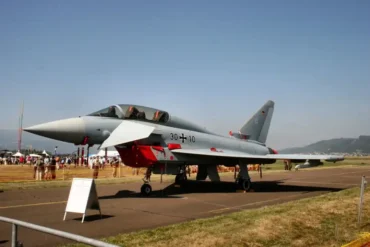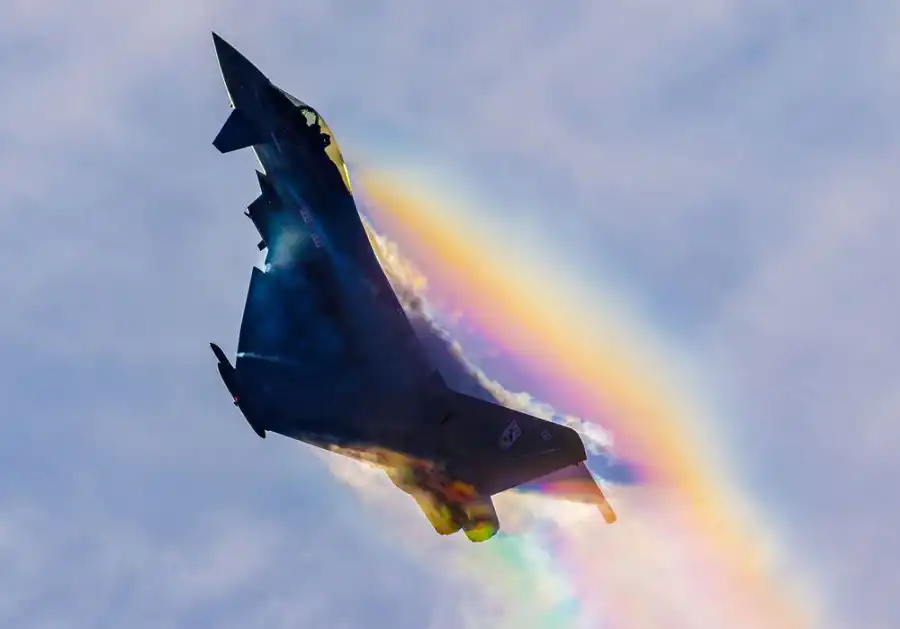
The Eurofighter Typhoon, long regarded as one of Europe’s most advanced multi-role fighter aircraft, is now at the center of a bold push to redefine pilot decision-making in high-threat airspace. Through a collaboration between BAE Systems and Swedish aerospace AI pioneer Avioniq, a cutting-edge decision aid known as Rattlesnaq is undergoing simulator trials that may soon redefine the beyond visual range (BVR) battlespace.
The trials are being conducted at BAE Systems’ Warton facility in Lancashire, leveraging high-fidelity Typhoon simulators to evaluate the integration of real-time artificial intelligence within the aircraft’s existing combat systems. At the core of this initiative lies a simple yet transformative goal: empower pilots with live, adaptive threat analysis to stay ahead of missile engagement zones and maintain combat superiority in dynamic conflict environments.
Introducing Rattlesnaq: Verifiable AI in the Cockpit
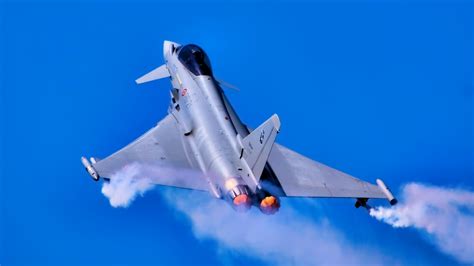
Developed by Avioniq, Rattlesnaq is a novel AI-driven decision aid that merges missile kinematic modeling with verifiable artificial intelligence, delivering real-time edge-based threat assessments. Unlike legacy decision support tools that rely on static threat envelopes or offline analysis, Rattlesnaq dynamically calculates a “threat boundary” that reflects the evolving missile ranges and capabilities of adversarial forces. The output is a clear, dynamic visualization showing where a pilot can maneuver safely — effectively shrinking the fog of war in the BVR battlespace.
This system doesn’t just calculate risk; it visualizes optimal manoeuvres and recommends firing solutions that are contextually adapted to live scenarios. The aim is to shorten the pilot’s OODA loop — Observe, Orient, Decide, Act — enabling superior performance under the extreme time pressure of modern aerial warfare.
Strategic Vision Behind the Integration
Paul Smith, Head of Typhoon Strategy at BAE Systems and a former RAF Typhoon pilot, explained the significance of the Rattlesnaq integration: “Being able to make quick, accurate decisions is crucial when operating an aircraft like Typhoon and that means situational awareness is critical.”
Smith emphasized that in future high-threat zones, where unmanned assets, hypersonic weapons, and adaptive electronic threats reshape the rules of engagement, the traditional pilot workload must be augmented by live, intelligent co-piloting systems. Rattlesnaq fits this vision perfectly — acting as an AI co-tactician, dynamically assessing threat evolution, and offering pre-emptive, actionable advice without overwhelming the pilot with unnecessary data.
The Role of Verifiable AI in Combat Environments
According to Mikael Grev, CEO and co-founder of Avioniq and a former Swedish Air Force pilot, one of the core breakthroughs of Rattlesnaq lies in its verifiability. Unlike opaque machine learning systems that are often unsuitable for safety-critical environments, Rattlesnaq is built on transparent algorithms designed to ensure predictability and trust in real-time decisions.
“This combination of advanced modelling and Verifiable AI delivers edge-based threat assessments directly to the aircraft,” Grev noted. “That means a single aircraft can deliver a greater force-multiplying effect, efficiently neutralizing a wider range of threats, enhancing survivability, and supporting operations in coordination with uncrewed aerial systems (UAS).”
By eliminating reliance on remote data links or centralized decision-making frameworks, Rattlesnaq introduces a new paradigm: combat intelligence at the tactical edge — tailored for both manned and manned-unmanned teaming scenarios.
Simulator Trials and Technical Integration
The current phase of testing is being conducted entirely in the Typhoon simulator environment at Warton, allowing engineers from both BAE Systems and Avioniq to explore multiple scenarios, mission types, and threat compositions. Initial trials have demonstrated the AI’s ability to handle complex missile engagement zones, project adaptive escape zones, and provide predictive evasion guidance under near-real-time conditions.
Joint integration teams are working to ensure that Rattlesnaq’s outputs can be effectively fused into the Typhoon’s sensor fusion architecture and displayed meaningfully to the pilot without creating overload. The cognitive ergonomics of information delivery is a key focus area, especially in scenarios where the aircraft must simultaneously operate as a sensor platform, weapons platform, and battlefield node.
Complementary Upgrades Bolstering Typhoon’s Capability
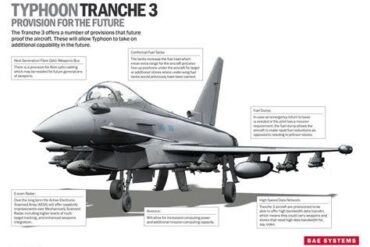
The introduction of Rattlesnaq is part of a broader push to elevate the Eurofighter Typhoon’s operational relevance well into the 2030s and beyond. Among the major ongoing upgrades accompanying the AI integration are:
- A new mission computer capable of processing data 200 times faster than the current system, allowing real-time fusion of AI-driven threat assessments with sensor inputs and pilot controls.
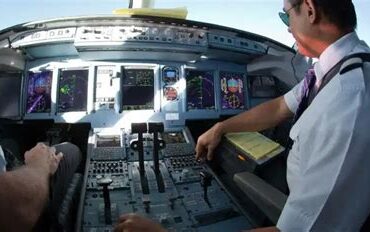
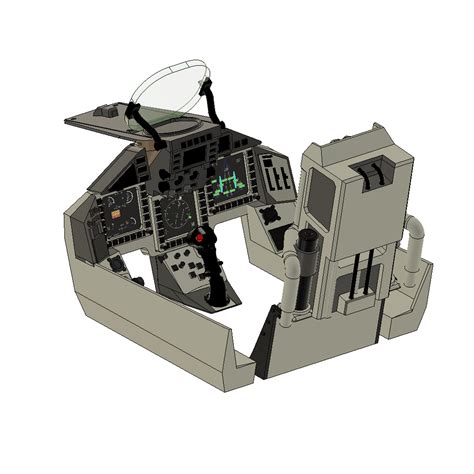
- The incorporation of a Large Area Display (LAD) in the cockpit, offering panoramic, high-resolution views of mission-critical data, including Rattlesnaq visual overlays.
- Continued development of modular open systems architecture, ensuring that future AI modules or data feeds can be integrated swiftly with minimal impact on flight software stability.
These upgrades align with a long-term multinational vision of maintaining the Typhoon as a front-line deterrent platform within NATO’s air forces — especially in contested zones such as Eastern Europe, the Middle East, and the Indo-Pacific.
Force Multiplication Through Human-Machine Teaming
Perhaps the most strategically important implication of the Rattlesnaq trials is the emerging shift in airpower doctrine. As BAE Systems and its partners prepare for a future where fifth and sixth-generation fighters operate alongside swarms of uncrewed assets, the need for AI-driven decision aids that can seamlessly scale across manned and unmanned cockpits becomes paramount.
Rattlesnaq, with its modular design and adaptable architecture, could become a cornerstone of human-machine teaming, enabling Eurofighter Typhoons to lead UAS formations or act as networked command nodes in real-time.
Moreover, the visual nature of the system — offering clear threat spheres, weapon envelopes, and maneuver corridors — makes it not just a tactical tool, but a training revolution for future pilots, enhancing retention, cognitive readiness, and intuitive combat behavior under high duress.
Conclusion: A Defining Leap Toward AI-Augmented Air Superiority
The ongoing simulator trials of Rattlesnaq on the Eurofighter Typhoon mark a significant leap in combat aviation strategy. By pairing the platform’s proven airframe and versatile weapons suite with real-time artificial intelligence, BAE Systems and Avioniq are not just upgrading a fighter jet — they are laying the groundwork for a new era of cognitive air combat.
This initiative echoes a broader trend in military aviation: from pilot-centric platforms to data-dominant, AI-enabled systems. In contested environments where milliseconds can mean mission success or failure, systems like Rattlesnaq could make the difference — not only by protecting pilots but by allowing them to fight smarter, faster, and further than ever before.
As integration progresses and live-flight trials commence, all eyes will be on Warton and the skies above. If successful, this AI capability may soon be seen not as an add-on but as an essential co-pilot in the battlespace of tomorrow.