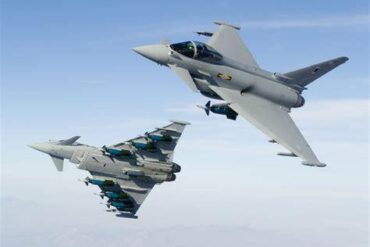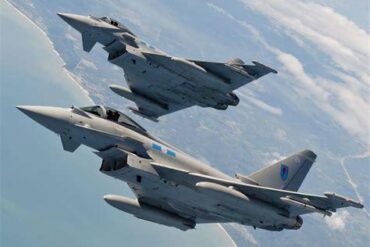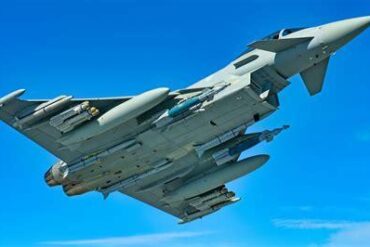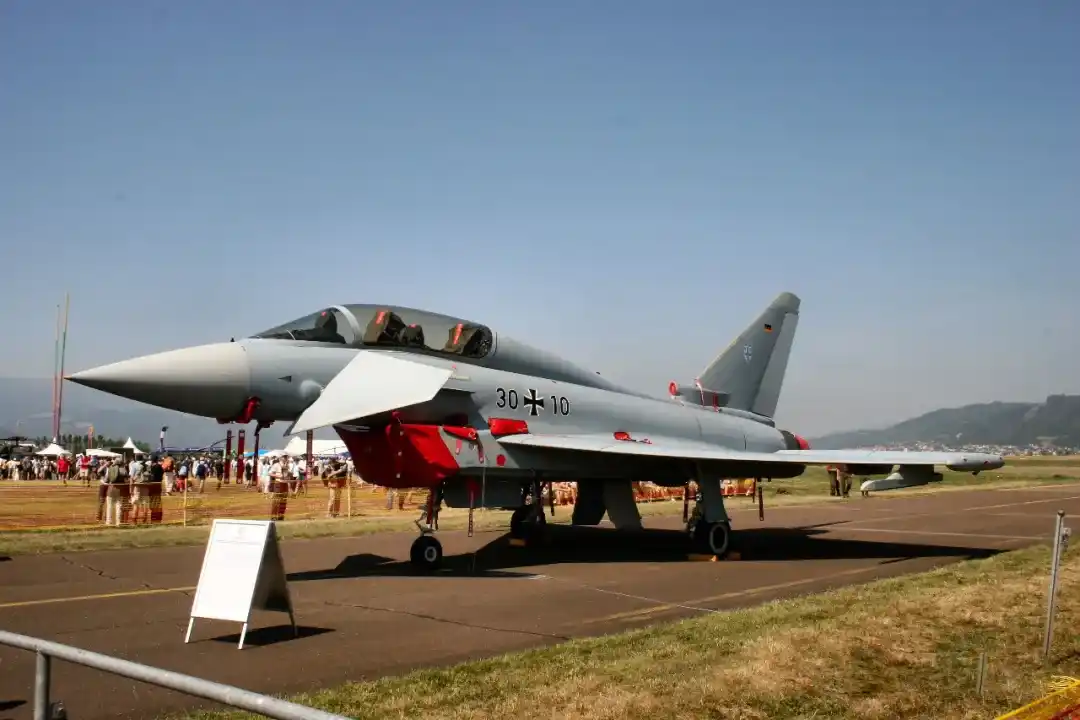
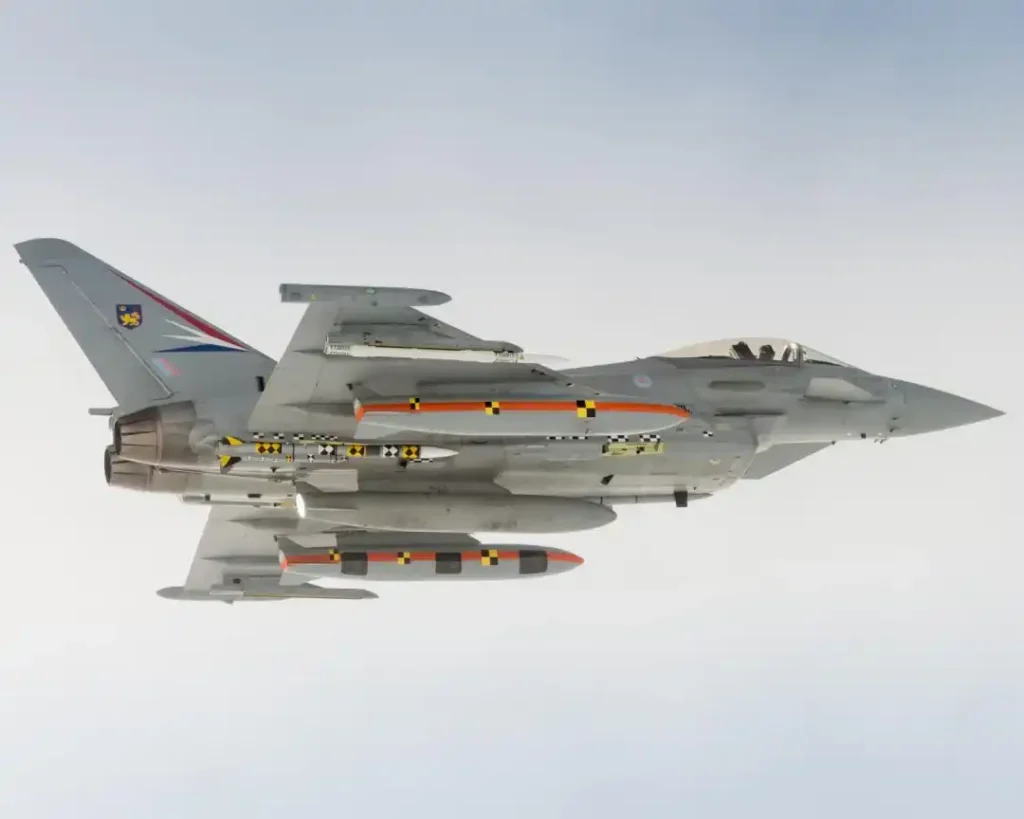
The Eurofighter Typhoon is one of the most remarkable examples of modern air combat engineering. As a twin-engine, supersonic, canard-delta-wing multirole fighter, it has been designed to excel in both air superiority and ground-attack missions. This combat-proven aircraft is a joint development between Airbus, BAE Systems, and Leonardo under the umbrella of Eurofighter GmbH and is managed by NATO’s NETMA. Since its entry into service in August 2003, the Typhoon has proven its mettle in various global operations, including combat missions in Libya (2011), demonstrating its versatility and robust performance in both air-defense and strike roles.
Origins and Development of the Eurofighter Typhoon
The development of the Eurofighter Typhoon can be traced back to the late 1970s and 1980s, when the UK and Germany began conceptualizing a next-generation fighter aircraft. The AST 403 P.96 and TKF-90 designs converged into the European Collaborative Fighter (ECF), which was initially intended to include France. However, after France’s withdrawal in 1984 to pursue the Dassault Rafale project, the UK, Germany, and Italy continued with their own efforts to develop a multirole fighter for European air forces. This led to the formation of the Agile Combat Aircraft and, eventually, the Future European Fighter Aircraft (FEFA) program in 1983. Despite early setbacks, including delays and funding issues, the project eventually led to the creation of the Eurofighter Typhoon.
The first flight of the Eurofighter Typhoon prototype occurred on March 27, 1994, followed by the formal name Typhoon being chosen in 1998. While the project faced several delays due to funding cuts and disputes over work-share agreements, the aircraft eventually became a critical component of modern air forces worldwide. By 2023, over 600 production models of the Eurofighter Typhoon have been delivered, with numerous additional orders from countries like Kuwait and Qatar, bringing the total number to over 680.
Procurement and Production
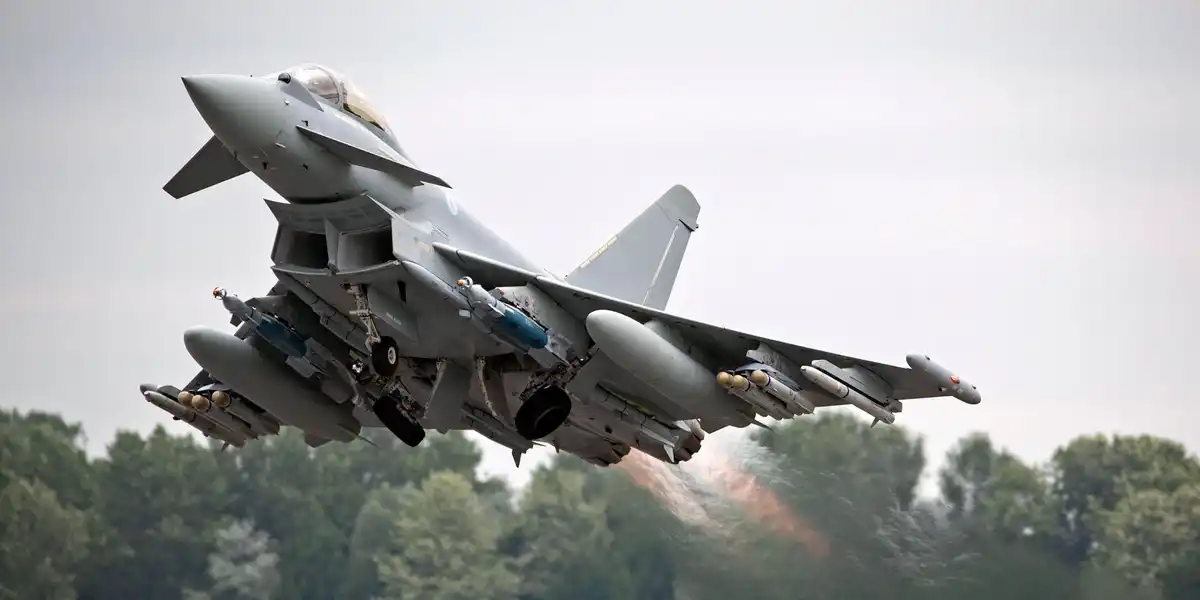
The first contract for the Eurofighter Typhoon was signed on January 30, 1998, which launched the program into full-scale production. The first major production tranche included 232 aircraft for the UK, 180 for Germany, 121 for Italy, and 87 for Spain. With a global supply chain, parts for the Eurofighter are produced by four national assembly lines in the UK, Germany, Italy, and Spain, ensuring consistency and scalability in production. The aircraft’s design and production efforts were shared across the various partners in the project, with BAE Systems responsible for 37.4% of the workshare, DASA (Germany) contributing 29%, Aeritalia (Italy) at 19.5%, and CASA (Spain) at 14%.
Over time, the Eurofighter Typhoon program has seen its estimated costs rise. The UK’s original budget estimate of £7 billion in 1985 increased to £22.9 billion by 2003, reflecting the complexities and delays associated with its development. However, the aircraft’s performance and ability to fulfill a wide range of roles have justified the investment, with the fleet surpassing 500,000 flight hours by 2011.
Design and Capabilities
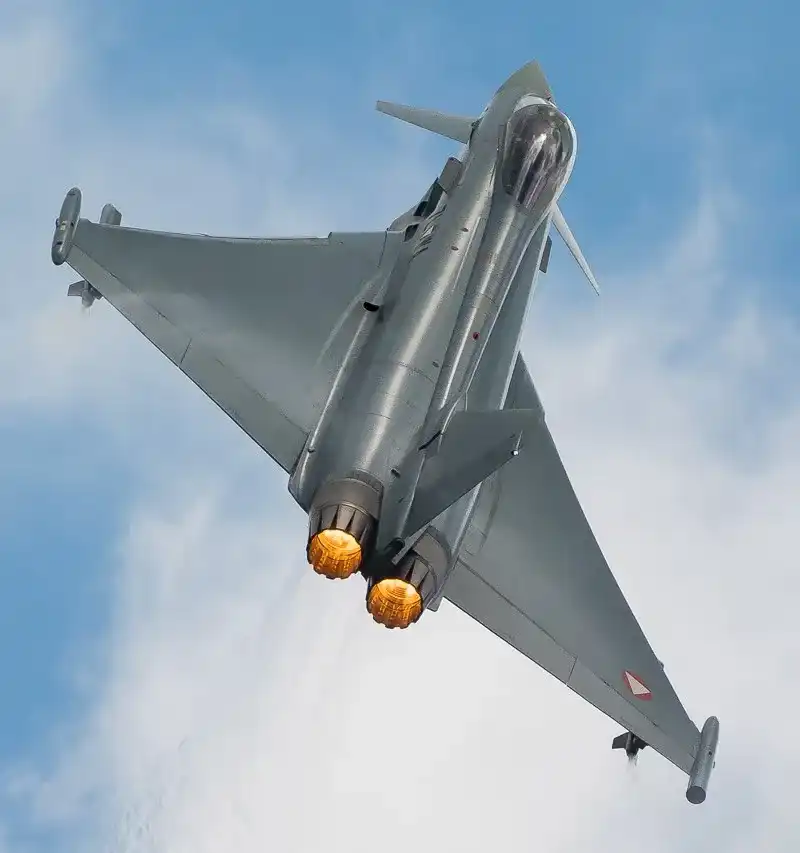
One of the Typhoon’s most distinctive features is its relaxed-stability airframe, which, combined with a quadruplex digital fly-by-wire control system, allows for exceptional agility. This design ensures that the aircraft maintains outstanding maneuverability even at supersonic speeds. The airframe itself is primarily constructed from composite materials (82%), giving the aircraft a service life of around 6,000 flight hours. This longevity is complemented by advanced radar cross-section (RCS)-reduction features, including S-duct inlets, swept leading edges, and semi-recessed pylons, all of which contribute to the Typhoon’s ability to evade radar detection.
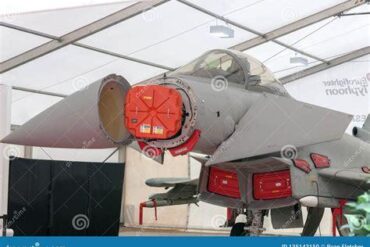
Additionally, the Typhoon’s Passive Infrared Airborne Tracking Equipment (PIRATE) provides enhanced covert targeting capabilities, making it a formidable platform for both air-to-air and air-to-ground engagements. Whether engaged in dogfighting or long-range precision strikes, the Eurofighter Typhoon remains one of the most capable aircraft in the world.
Cockpit and Avionics: Command at Your Fingertips
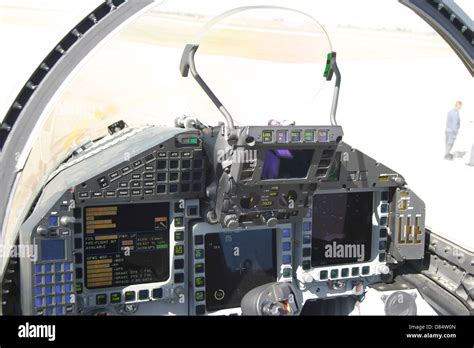
The cockpit of the Eurofighter Typhoon is designed to enhance the pilot’s situational awareness and operational efficiency. Equipped with three full-color multifunction displays (MHDDs), a head-up display (HUD) with forward-looking infrared (FLIR) capabilities, and a Hands On Throttle and Stick (HOTAS) system, the pilot is able to manage all critical flight and combat systems with minimal effort. The Direct Voice Input (DVI) system allows the pilot to issue voice commands for greater ease of operation.
The avionics suite is equally advanced, with the Praetorian DASS (Defensive Aids Sub System) integrating Radar Warning Receivers (RWR), Missile Warning Systems (MWS), Laser Warning Receivers (LWR), and Electronic Countermeasures (ECM) into a unified system. This not only enhances the aircraft’s defensive capabilities but also ensures that the pilot can prioritize threats and manage emissions efficiently. In addition, the Typhoon features a Helmet-Mounted Symbology System (HMSS), enabling the pilot to target and engage enemies without the need to rely solely on the aircraft’s primary sensors.
Radar Systems: The Eyes of the Typhoon
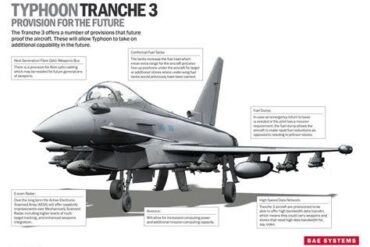
At the heart of the Eurofighter Typhoon’s advanced targeting capabilities is its radar system. Initially, the aircraft was equipped with the Captor-M mechanically scanned radar, which provided a reliable, multi-mode radar capability. However, as part of continuous upgrades, the Typhoon is transitioning to the Captor-E AESA radar (also known as CAESAR), a state-of-the-art Active Electronically Scanned Array (AESA) radar that offers a significantly enhanced detection range and improved jam resistance. The Captor-E boasts capabilities such as synthetic aperture radar (SAR) modes, a gimballed array with a ±120° scan, and the ability to detect stealthy aircraft such as the F-35 at ranges of up to 59 km.
The new radar system ensures that the Typhoon remains ahead of its competitors in terms of target detection and tracking capabilities, which is critical in modern air combat where the ability to engage threats from a distance is essential.
Continuous Upgrades: Evolving for the Future
The Eurofighter Typhoon has undergone several major upgrades since its entry into service, ensuring that it remains combat-ready and future-proof. One of the most significant upgrades has been the introduction of the Meteor long-range air-to-air missile (AAM), which was selected by the UK in 2000 and officially entered service in 2012. This missile extends the Typhoon’s engagement range, enabling it to engage targets at distances over 100 km.
The Phase 1 Enhancements (P1Eb) program, completed in 2014, unlocked the Typhoon’s full air-to-air and air-to-ground capabilities, further cementing its versatility. Additionally, the introduction of conformal fuel tanks (CFTs) has allowed the aircraft to extend its operational range, making it even more effective in long-duration missions.
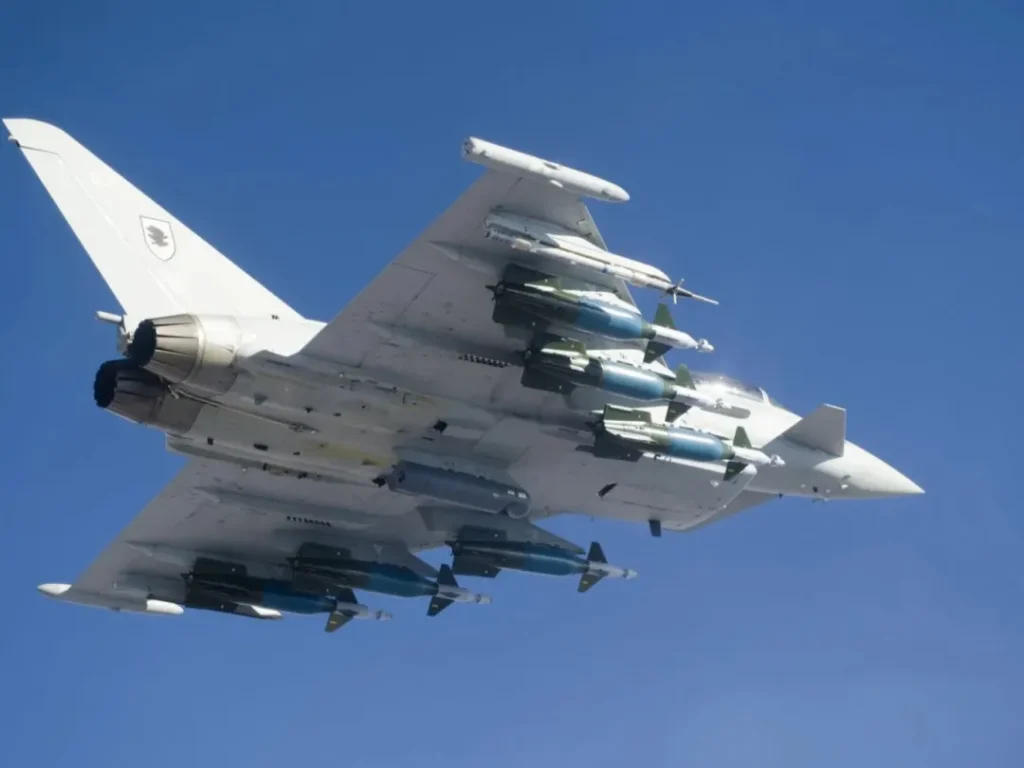
The UK Project Centurion, initiated in 2014, further expanded the Typhoon’s capabilities to replace the Tornado GR4 for strike missions, integrating Storm Shadow, Brimstone, and Meteor missile systems. This upgrade program was critical to enhancing the Typhoon’s strike role and providing the UK with a potent strike asset that can operate across a wide range of missions.
Conclusion: A Fighter for the Future
The Eurofighter Typhoon is a sophisticated, agile, and versatile multirole fighter that has become a cornerstone of European air power. With continuous upgrades and innovations in its design and capabilities, the Typhoon is positioned to remain at the forefront of modern air combat for many years to come. Whether in air superiority, precision strike, or close air support roles, the Eurofighter Typhoon exemplifies the cutting-edge of military aviation, offering unmatched performance, reliability, and versatility in the skies.