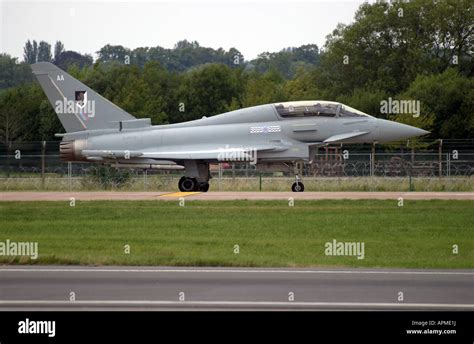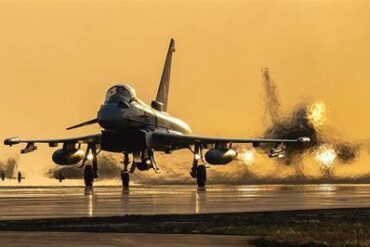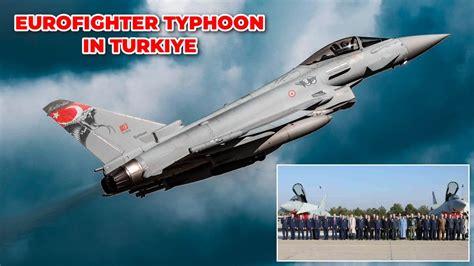
Turkey has taken a major step toward modernizing its air force with the signing of a preliminary agreement with Britain for the purchase of Eurofighter Typhoon jets, marking a breakthrough in long-standing negotiations and strengthening defense ties between the two NATO allies.
A Landmark Step in Turkey’s Air Force Modernization
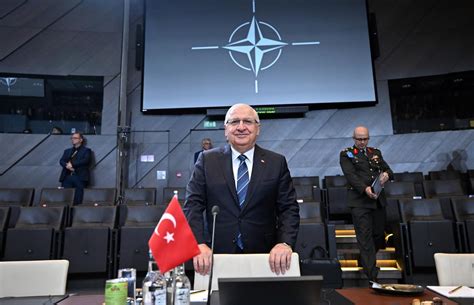
On Wednesday, July 23, 2025, Turkish Defense Minister Yasar Guler and British Defense Secretary John Healey signed a memorandum of understanding (MoU) during a prominent defense industry fair in Istanbul. The announcement came through Turkey’s Ministry of National Defense, which emphasized that the agreement represents “one step closer to a full agreement on the Typhoon.”
This development comes after months of complex negotiations between Ankara and the Eurofighter consortium, which includes BAE Systems (UK), Airbus (Germany and Spain), and Leonardo (Italy). Britain led the talks, particularly amid initial reservations from Germany about the sale — a position Berlin has since shifted, paving the way for the deal’s progress.
What the Deal Means for Turkey
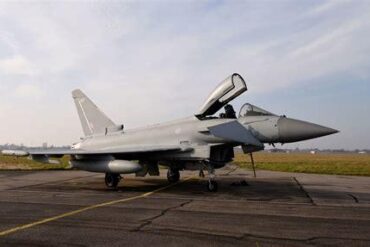
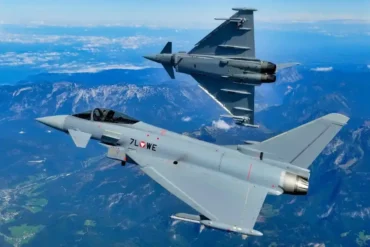
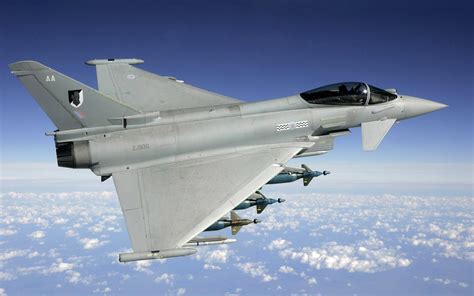
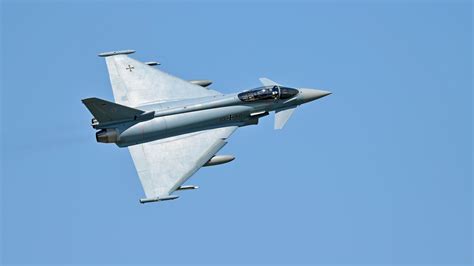
Turkey’s pursuit of 40 Eurofighter Typhoon jets is part of a broader plan to upgrade its aging air fleet and enhance its operational capabilities in both national defense and NATO missions. The Typhoon, a twin-engine, multi-role fighter jet, is among the most advanced aircraft in Europe, capable of air superiority missions, ground attacks, and intelligence gathering.
A statement from the Turkish defense ministry underscored the importance of the MoU, noting that both governments share “a mutual ambition to conclude the necessary arrangements as soon as possible.” While the preliminary agreement does not finalize the sale, it serves as a framework for future negotiations on pricing, customization, and delivery timelines.
Britain’s Role and BAE Systems’ Response
Britain’s defense industry has been instrumental in facilitating this deal. BAE Systems, one of the main stakeholders in the Eurofighter consortium, expressed strong support for the agreement. In a statement, the company confirmed its commitment to working closely with both the Turkish and British governments to finalize the procurement deal.
British Defense Secretary John Healey described the agreement as a “positive step towards bringing Turkey into the Typhoon club,” signaling London’s strategic interest in strengthening defense cooperation with Ankara. This partnership aligns with the UK’s post-Brexit foreign policy approach, which prioritizes deepening defense ties beyond the European Union framework.
Overcoming German Resistance
One of the key obstacles in the negotiations was Germany’s initial opposition to the sale of Eurofighter jets to Turkey. Berlin reportedly cited concerns over Ankara’s regional policies and human rights issues. However, following diplomatic efforts led by London, Germany reversed its position, allowing the consortium to move forward collectively.
This reversal was crucial, as the Eurofighter Typhoon program requires approval from all member states involved in its production. Germany’s shift illustrates the geopolitical significance of maintaining NATO cohesion and ensuring Turkey remains well-integrated within the alliance’s defense framework.
Turkey’s Broader Defense Strategy
Turkey’s interest in the Eurofighter Typhoon is part of a multi-layered defense modernization strategy. Beyond the Eurofighter deal, Ankara has been pursuing two other major initiatives:
- Rejoining the U.S.-led F-35 program – Turkey was expelled from the F-35 project in 2019 after it purchased Russian S-400 missile defense systems, which Washington said posed a security risk to the stealth jets. Ankara has been lobbying to return to the program or secure compensation for its financial contributions.
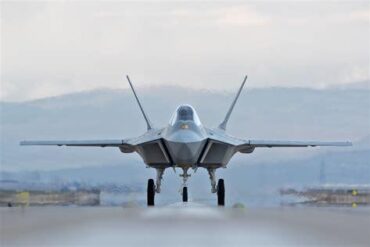
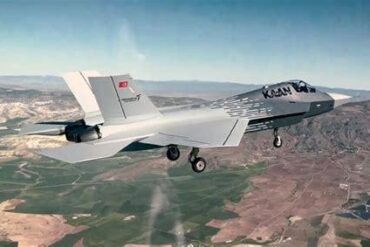
- Developing its indigenous fighter jet, the KAAN – Turkey is working on its fifth-generation fighter, slated to be operational by 2028. The KAAN project, formerly known as TF-X, aims to ensure long-term independence in combat aircraft production and reduce reliance on foreign suppliers.
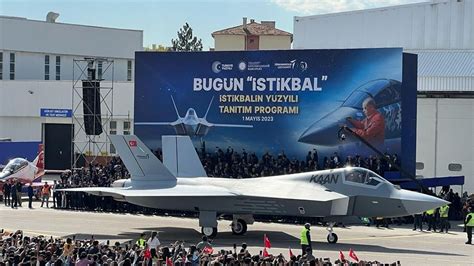
By acquiring Eurofighter Typhoons, Turkey would secure a critical interim solution to bolster its air force until the KAAN becomes operational. This move reflects a pragmatic approach — ensuring short-term operational readiness while investing in long-term defense autonomy.
Technical Advantages of the Eurofighter Typhoon
The Eurofighter Typhoon is widely regarded as one of the most capable multi-role fighter jets in service today. Some of its standout features include:
- Advanced avionics and radar systems for superior situational awareness.
- High agility and thrust-to-weight ratio, making it highly effective in dogfights.
- Multi-role capabilities, allowing for air-to-air and air-to-ground missions.
- Interoperability with NATO systems, ensuring seamless integration into alliance operations.
For Turkey, these capabilities are critical for addressing regional threats, safeguarding airspace, and contributing effectively to NATO missions in Eastern Europe and the Middle East.
Strategic Implications for NATO and Regional Security
This agreement holds broad implications for NATO. Turkey, as a key NATO member controlling access to the Black Sea and bordering conflict-prone regions, plays a pivotal role in the alliance’s security framework. Upgrading its air force with Eurofighters will enhance NATO’s collective air defense posture.
Additionally, this deal signals to regional actors — particularly in the Eastern Mediterranean and Middle East — that Ankara is committed to maintaining a modern, formidable air fleet. It also reinforces Turkey’s strategic independence, balancing its relationships between Western allies and non-NATO defense partners.
What Happens Next?
Although the signing of the MoU marks a significant breakthrough, several steps remain before the deal becomes binding. Negotiations on pricing, technical specifications, and delivery schedules are still ongoing. Turkish officials have indicated that they are preparing a counter-proposal in response to the consortium’s initial offer.
Defense analysts suggest that the final deal could include customization packages tailored to Turkey’s operational needs, including upgrades to avionics, weapons integration, and possibly co-production opportunities for Turkish defense firms.
If finalized, the procurement of Eurofighter Typhoons will likely be phased, with deliveries starting in the late 2020s, ensuring continuity as Turkey transitions to its domestically produced KAAN jets.
Conclusion
The preliminary agreement between Turkey and Britain for Eurofighter Typhoon jets represents more than just an aircraft purchase. It reflects Ankara’s strategic recalibration, balancing alliances, addressing immediate defense needs, and preparing for long-term independence in fighter jet production.
As both governments work toward finalizing a comprehensive procurement deal, this development is poised to reshape Turkey’s role within NATO, bolster its regional influence, and enhance its airpower capabilities for years to come.