After years of stalled negotiations, diplomatic isolation, and aging fleets, Turkey is poised to reshape the balance of power in the Middle East through an unprecedented upgrade of its air combat capability. At the center of this transformation lies an aggressive bid to acquire the world’s most advanced fighter aircraft, including the Eurofighter Typhoon, the F-35 Lightning II, and an expanding fleet of indigenous and combat-proven drones. If realized, this multifaceted air force renewal could establish Turkey as the region’s foremost aerial power, dramatically altering the strategic calculus in NATO’s southeastern flank and beyond.
Germany’s Eurofighter Dilemma and the Tipping Point in Ankara’s Favor
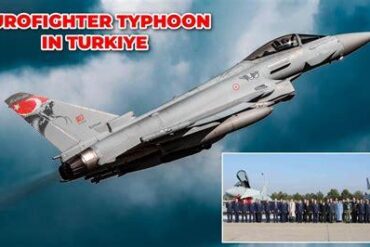
The Eurofighter Typhoon, a 4.5-generation multirole combat aircraft co-developed by Germany, the UK, Italy, and Spain, has long been on Turkey’s radar. However, the path to acquisition has been obstructed by Germany’s reluctance to approve the sale, citing Ankara’s human rights record. While the UK, Italy, and Spain have actively pushed to keep Typhoon production lines alive with new contracts, Berlin has remained the holdout—until recently.
On July 17, 2025, during a joint press conference in London, German Chancellor Friedrich Merz hinted at a shift in Berlin’s policy following the signing of a new “friendship treaty” with British Prime Minister Keir Starmer. While Merz stopped short of naming Turkey outright, his comments on progressing arms export discussions have been widely interpreted as a veiled signal of openness to a Typhoon deal with Ankara.
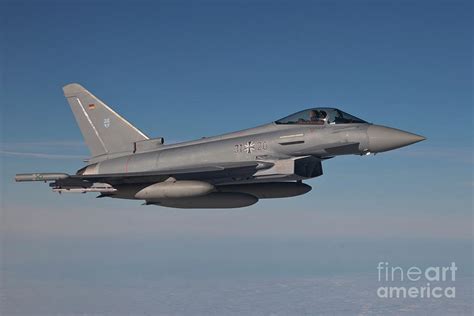
This would mark a watershed moment for Turkey’s defense ambitions. Not only would the forty Typhoons requested by Ankara rejuvenate its aging F-16 fleet, but their acquisition would also send a potent message to regional rivals such as Greece, which recently bolstered its fleet with Rafale jets and is in line to receive F-35s from the United States.
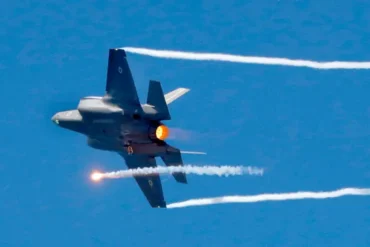
The F-35 Return: Turkey’s Path Back to the Stealth Elite
Turkey’s once-promising involvement in the F-35 Joint Strike Fighter program was derailed in 2019, when its purchase of the Russian S-400 air defense system prompted the U.S. to eject it from the consortium and impose CAATSA sanctions. The sudden ban halted Turkey’s plans to acquire 100 F-35As, despite years of investment and industrial participation in the project.
Yet, six years on, Ankara is making a concerted diplomatic push to reenter the F-35 fold. President Recep Tayyip Erdoğan, in a statement following one-on-one talks with former President Donald Trump, revealed renewed interest in joining the program. He emphasized ongoing technical discussions and reaffirmed Turkey’s strategic need for fifth-generation capabilities.
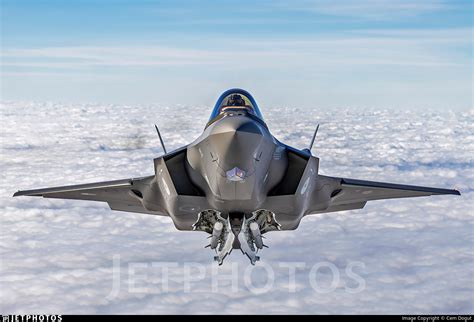
According to leaks in Western media, Washington might allow Turkey back into the F-35 program under the condition that the S-400 systems are either deactivated, dismantled, or relocated to a U.S. base within Turkey. The removal of sanctions, reportedly expected by year’s end, could reopen the door for Turkey to join a select club of stealth jet operators, dramatically enhancing its deterrence in the Eastern Mediterranean.
F-16 Vipers and the Subtle Realignment with Washington
Before any F-35s arrive, Turkey has secured a more immediate and pragmatic upgrade: 40 new F-16 Vipers and 79 modernization kits for its existing F-16C/D fleet. This approval came only after Turkey ratified Sweden’s NATO membership, signaling a quid-pro-quo diplomatic breakthrough.
However, Ankara recently scaled back its purchase plan, deciding to domestically modernize its F-16s rather than rely entirely on U.S. kits. This decision highlights Turkey’s increasing emphasis on sovereign capability development, even while navigating complex geopolitical dependencies.
KAAN: Turkey’s Indigenous Leap into the Fifth Generation
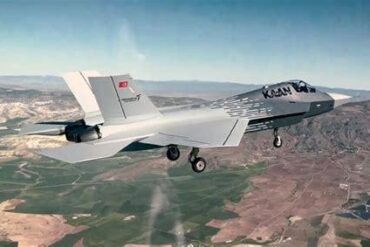
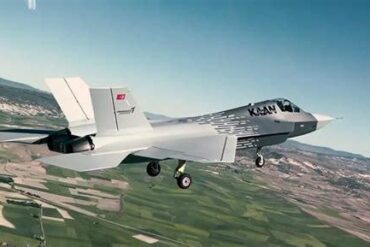
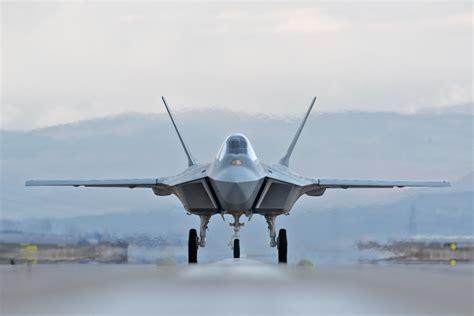
The TAI KAAN, a fifth-generation stealth multirole fighter under development by Turkish Aerospace Industries (TAI), represents Turkey’s boldest step toward defense independence. The twin-engine jet, which completed its maiden flight in February 2025, is slated to enter service in the early 2030s.
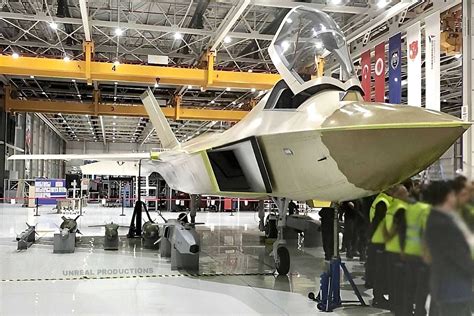
Once operational, KAAN will place Turkey among a handful of nations—including the U.S., Russia, and China—with a domestically developed fifth-generation combat aircraft. Its export potential is already generating buzz, with Pakistan and Indonesia expressing interest. While the road to operational readiness is long, KAAN is a cornerstone of Ankara’s air dominance ambitions and a potent symbol of national aerospace progress.
The Drone Arsenal: Turkey’s Silent Air Superiority
Beyond manned fighters, Turkey’s drone capabilities offer a distinct asymmetric advantage. Its UAVs have seen extensive combat use in Libya, Syria, Nagorno-Karabakh, and Ukraine, earning a reputation for affordability and effectiveness.
The flagship Bayraktar TB2—a product of Baykar Technologies—is now complemented by the TB-2T AI, an upgraded version with advanced artificial intelligence and a turbo engine, improving both autonomy and lethality.
Also part of the UAV arsenal is the Bayraktar Akinci, a high-altitude, long-endurance platform capable of deploying air-to-air and air-to-ground munitions. It can operate in roles traditionally reserved for fighter jets and maintain persistent aerial presence over contested battlefields.
Kizilelma and Anka-3: Pushing the Boundaries of Unmanned Warfare
Two UAVs signal Turkey’s next evolution in combat aviation: the Kizilelma and the Anka-3.
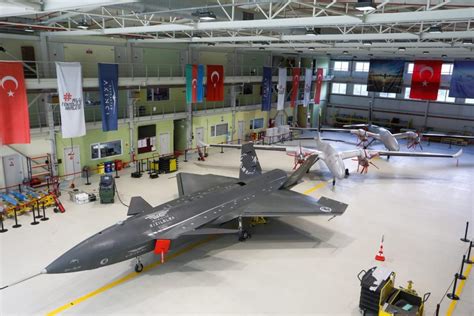
The Kizilelma, dubbed Turkey’s first unmanned fighter jet, is built for air dominance, deep strike, and SEAD/DEAD missions. Its high payload capacity, stealth characteristics, and fighter-like maneuverability make it a potential game-changer in autonomous warfare.
Meanwhile, the Anka-3 adopts a flying-wing configuration optimized for stealth, making it ideal for deep-strike and intelligence, surveillance, and reconnaissance (ISR) roles. This development places Turkey at the cutting edge of next-generation drone warfare, rivaling even the U.S. and Chinese capabilities in unmanned aerial systems.
Strategic Implications: Redefining Middle East Air Power
Should Turkey finalize these acquisitions—Eurofighters, F-35s, upgraded F-16s, and operationalize KAAN and its drone fleet—the composition of the Turkish Air Force will be radically transformed. This overhaul is not merely about hardware; it’s a statement of Ankara’s intent to establish air superiority across regional theaters, from the Aegean Sea to the Persian Gulf.
Unlike other Middle Eastern powers reliant on foreign contractors for maintenance and operation, Turkey’s expanding domestic defense industry provides long-term sustainability. This includes local engine production, software integration, weapons development, and AI-based control systems for drones. It also means reduced foreign dependency, a critical advantage in modern warfare.
Conclusion: A Future of Unprecedented Turkish Air Dominance?
The transformation underway in Turkey’s aerial arsenal is more than a military procurement story—it’s a geopolitical pivot. From negotiating with Berlin and Washington, to developing homegrown fifth-gen jets and world-class drones, Turkey is crafting a hybrid air power model that blends Western technology with indigenous innovation.
If current trends hold and Ankara secures these key aircraft, Turkey will possess one of the most diverse and lethal air forces in the world. It would be capable not only of defending its borders, but also of projecting power across a volatile and strategically vital region.
The message is clear: Ankara intends to fly higher—faster, stealthier, and stronger than ever before.