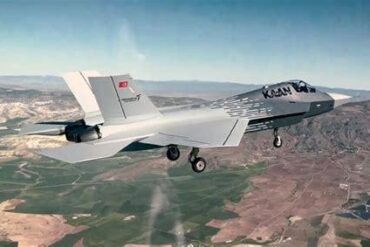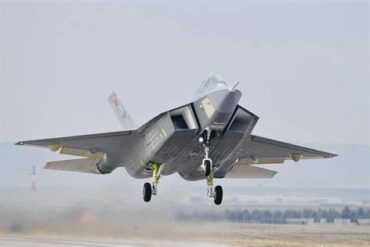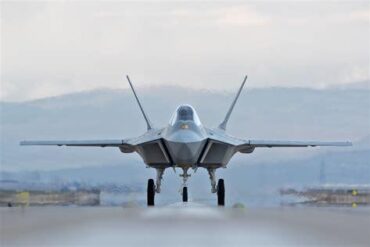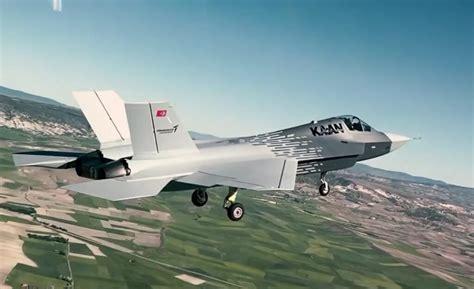
Turkey’s quest to develop an indigenous fifth-generation fighter aircraft has become one of the most ambitious defense projects in its modern history. Designed to replace the nation’s aging fleet of F-16 Fighting Falcons and restore strategic autonomy after its removal from the F-35 program, the Kaan fighter represents Ankara’s determination to build a world-class combat aircraft without relying on foreign platforms. Yet despite billions of dollars invested in the program and years of technological development, one critical component remains unmistakably American: the engine.
Turkey’s Long Road Toward an Indigenous Stealth Fighter
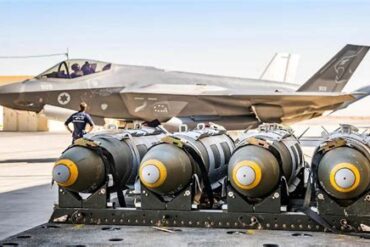
Turkey’s modern fighter aircraft ambitions accelerated dramatically after its expulsion from the F-35 Joint Strike Fighter program in 2019. The decision came following Ankara’s acquisition of the Russian-made S-400 air defense system, a move that Washington argued posed significant security risks to sensitive NATO military technology.
The exclusion was particularly painful because Turkey had not merely been a customer of the F-35. Turkish aerospace companies were integrated into the program’s global supply chain and manufactured numerous components for the aircraft. Losing access to the fighter forced Ankara to accelerate plans that had already been underway for several years: developing a domestic alternative capable of securing the nation’s future air superiority requirements.
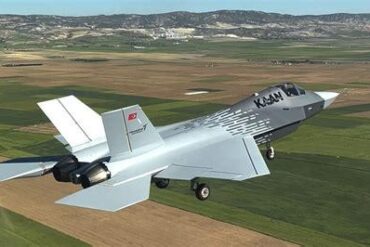
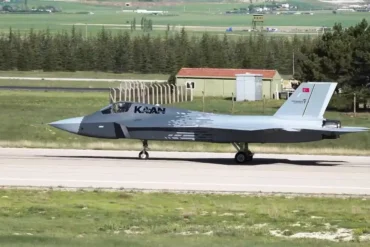
The result is the Kaan, previously known as TF-X, a next-generation stealth fighter intended to compete with advanced combat aircraft entering service around the world. The aircraft is expected to become the backbone of the Turkish Air Force during the 2030s and beyond, replacing more than 200 F-16 fighters currently serving across the country.
Development has moved at an impressive pace. The aircraft achieved its maiden flight in February 2024, marking a major milestone for Turkey’s aerospace industry and demonstrating that the program had progressed beyond the conceptual stage.
After years of design work, prototype construction, and systems integration, the Kaan emerged as a tangible symbol of Turkey’s defense-industrial ambitions.
Why the General Electric F110 Engine Powers the Kaan
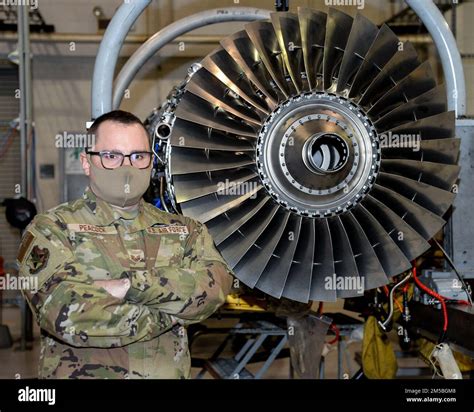
Despite the aircraft’s indigenous design, Turkey has not yet succeeded in producing a domestic engine capable of meeting the fighter’s demanding performance requirements. To bridge this gap, engineers selected the General Electric F110 turbofan engine, a powerplant with a long and proven operational history.
The F110 family is widely recognized for powering numerous variants of the F-16 Fighting Falcon. Decades of operational experience have demonstrated its reliability, maintainability, and combat effectiveness, making it a practical choice for an aircraft still in development.
For Turkish engineers, the F110 offered an immediate solution that reduced technical risk during the early stages of the Kaan program. Rather than waiting for an unproven indigenous engine, developers could focus on validating the aircraft’s flight characteristics, avionics, sensors, and overall aerodynamic performance.
This approach enabled the project to remain on schedule while providing a known benchmark for future performance improvements.
Current plans indicate that the first production-standard Block 10 aircraft will enter service using the American-made engine. Initial deliveries are expected to begin around 2028, allowing Turkey to start fielding the fighter while domestic propulsion development continues in parallel.
Why the F110 Was Never Intended as a Permanent Solution
Although the F110 provides a reliable foundation for early production aircraft, it was never viewed as the final propulsion solution for the Kaan.
One major limitation concerns stealth performance. Modern fifth-generation fighters require carefully engineered exhaust systems designed to reduce infrared signatures and minimize detectability. The F110 was developed for fourth-generation fighters and lacks many of the low-observable characteristics associated with advanced stealth aircraft.
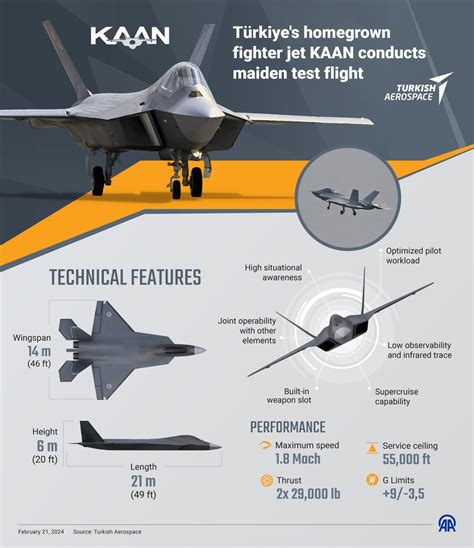
Equally important is overall performance potential. The F110 generates approximately 29,500 pounds of thrust, a respectable figure for established combat aircraft but one that may not fully unlock the capabilities envisioned for future Kaan variants.
Turkey’s defense planners envision an aircraft capable of sustained high-speed operations, improved acceleration, greater payload capacity, and enhanced survivability. Achieving these goals requires a more advanced propulsion system specifically tailored to the aircraft’s design.
The TF35000: Turkey’s Engine Independence Ambition
To eliminate reliance on foreign propulsion technology, Tusaş Engine Industries (TEI) is developing the TF35000, a next-generation indigenous turbofan intended to power future Kaan variants.
The engine’s designation reflects its targeted thrust output of approximately 35,000 pounds, representing a significant increase over the F110. Such performance would provide the aircraft with improved combat capabilities and potentially enable supercruise, allowing sustained supersonic flight without the heavy fuel consumption associated with afterburners.
Supercruise capability remains one of the defining characteristics of advanced modern fighters because it enhances operational reach, reduces fuel expenditure, and improves mission flexibility.
The TF35000 is expected to become available in later Kaan production blocks around the early 2030s, though the development timeline remains ambitious. Creating a modern fighter engine ranks among the most technically challenging achievements in aerospace engineering, requiring mastery of advanced metallurgy, thermal management, turbine technology, and precision manufacturing.
Supply Chain Risks and Export Challenges
Turkey’s continued dependence on the F110 also introduces geopolitical considerations. While prototype aircraft have already received engines, negotiations concerning larger procurement quantities have faced uncertainty amid broader defense-related tensions between Ankara and Washington.
These concerns extend beyond Turkey’s domestic requirements. Indonesia has already committed to acquiring Kaan fighters but reportedly seeks versions free from American-controlled components. That objective effectively ties future export deliveries to the successful completion of the TF35000 program.
As a result, the indigenous engine has become more than a technological milestone; it is now a strategic requirement for expanding the aircraft’s international market potential.
Kaan’s Place in the Global Stealth Fighter Landscape
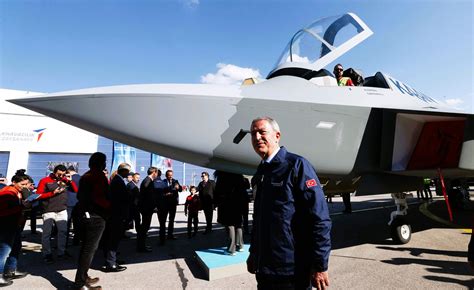
Engine challenges notwithstanding, the Kaan program represents a remarkable achievement for Turkey’s aerospace sector. Few nations possess the industrial capacity, engineering expertise, and financial resources required to design and flight-test a modern stealth fighter.
If the program reaches full operational maturity and successfully transitions to the TF35000 engine, Turkey will join a highly exclusive group of countries capable of developing advanced indigenous stealth combat aircraft. That achievement would place Ankara alongside major aerospace powers and significantly strengthen its long-term defense independence.
For now, however, the road to complete self-reliance still runs through an American engine. The Kaan may symbolize Turkey’s determination to chart its own course in military aviation, but until the TF35000 becomes reality, the fighter’s heart continues to beat with power supplied by the United States.