Malaysia is poised to make a significant leap in its tourism strategy by proposing visa-free entry for Sri Lankan citizens. This initiative marks a critical step towards enhancing tourism cooperation and regional connectivity, which are vital components of Malaysia’s broader efforts to attract international visitors. The discussions around this proposal are gaining momentum, with the Malaysian tourism authorities confirming that formal proposals have been submitted to the government for review. The intention behind this move is to simplify the entry process for travelers from Sri Lanka, thereby making Malaysia an even more appealing destination.
The potential approval of this visa waiver could lead to a notable increase in the influx of Sri Lankan tourists to Malaysia, providing a substantial boost to the local tourism industry. This initiative is supported by Malaysia’s diplomatic mission in Colombo, which is actively working to facilitate discussions and promote the advantages of the proposal. By easing travel restrictions, Malaysian tourism officials aim to create a smoother travel experience that encourages cultural exchange, strengthens business relationships, and fosters deeper connections between the peoples of both nations.
In recent years, there has been a marked increase in tourist arrivals from Sri Lanka to Malaysia. In 2024, the country welcomed over 58,000 visitors from Sri Lanka, a remarkable increase from just 26,000 arrivals in 2019. This impressive growth rate of 122 percent is indicative of a robust recovery in travel demand and signals a renewed interest among Sri Lankan travelers in exploring Malaysia’s rich tapestry of cultural, natural, and urban attractions. The upward trend in tourism from Sri Lanka aligns perfectly with Malaysia’s ambitious targets for international tourism growth. The Malaysian government aims to attract 31.4 million global visitors by 2025, with an even more ambitious goal of 35.6 million by 2026.
Achieving these targets will necessitate a series of targeted policies and strategic marketing efforts, particularly focused on countries exhibiting significant growth potential, such as Sri Lanka. Currently, Malaysia’s visa-free entry policy extends to over 130 countries, allowing travelers to visit without a visa for varying periods depending on their nationality. Tourists from more than 60 nations, including the United Kingdom, Australia, and Saudi Arabia, can stay for up to 90 days without requiring a visa. Meanwhile, citizens of approximately 65 countries, including China, India, and Russia, are eligible for visa-free travel lasting up to 30 days. A smaller cohort, including nations like Iran and Libya, can enjoy visa-free entry for up to 14 days. By potentially adding Sri Lanka to this list, Malaysia seeks to enhance its appeal among South Asian travelers and strengthen its position in a competitive regional tourism landscape.
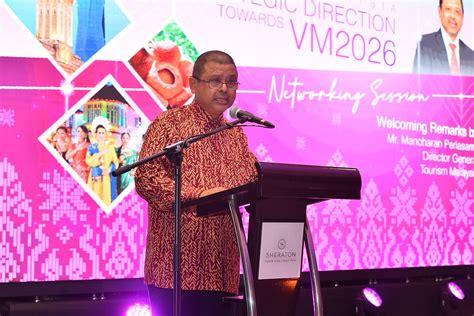
The proposed visa exemption would not only facilitate easier travel for Sri Lankans but also reinforce Malaysia’s image as a welcoming and inclusive destination for a diverse range of visitors. In conjunction with this visa waiver initiative, Malaysia is gearing up for several key events aimed at amplifying its global tourism profile. Notably, in September 2025, the country will host the official launch of Visit Malaysia Year 2026, coinciding with celebrations for World Tourism Day. These pivotal events will take place in the UNESCO-listed historic city of Malacca, themed around “Tourism & Sustainable Transformation.” This theme reflects Malaysia’s commitment to fostering tourism development that is environmentally responsible, socially inclusive, and economically advantageous for local communities.
With sustainability at the forefront of its tourism strategy, the forthcoming events will highlight Malaysia’s vast array of attractions while also emphasizing the importance of preserving its rich cultural heritage and natural resources. The initiative to offer visa-free access to Sri Lankan citizens underscores Malaysia’s dedication to nurturing regional partnerships and adopting a forward-thinking approach to tourism. As the country continues to innovate and broaden access for global travelers, it is well-positioned to meet its ambitious tourism goals and solidify its status as a leading travel destination in Southeast Asia.
As Malaysia navigates the complexities of the post-pandemic tourism landscape, the proposed visa waiver for Sri Lankan citizens stands out as a strategic maneuver aimed at revitalizing its tourism sector. By breaking down barriers to entry and creating a more seamless travel experience, Malaysia is not only enhancing its appeal to Sri Lankan tourists but also reinforcing its commitment to fostering meaningful connections within the region. The success of this initiative could serve as a blueprint for future tourism strategies targeting other emerging markets, thus ensuring that Malaysia remains a competitive player in the ever-evolving global tourism arena.
In conclusion, Malaysia’s proposal for a visa waiver for Sri Lankan travelers is a testament to its proactive stance in bolstering tourism ties within South Asia. As the nation gears up for Visit Malaysia Year 2026 and positions itself as a leader in sustainable tourism, the anticipated increase in Sri Lankan tourists could significantly contribute to the country’s broader economic recovery and growth objectives. By prioritizing accessibility and cultural exchange, Malaysia is set to become a favored destination for travelers seeking unique experiences in Southeast Asia.