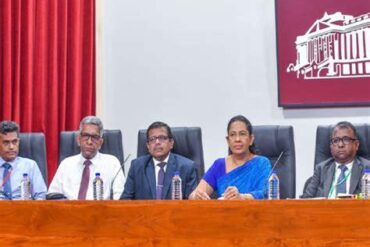
In a strategic move to reinvigorate its tourism industry and accelerate economic recovery, Sri Lanka has expanded its free visa policy to include nationals from 40 countries. This initiative, announced by Sri Lanka’s Foreign Affairs Minister Vijitha Herath, comes at a crucial time for the island nation, which is focusing on rebuilding its economy post-crisis. With the new policy in place, tourists from a broad range of countries, including major travel hubs like the United Kingdom, the United States, Canada, and Australia, can now visit Sri Lanka without the hassle of paying visa fees.
The government believes that this move will substantially increase the number of international tourists visiting the island, thereby providing a much-needed boost to Sri Lanka’s tourism sector and the national economy. This policy expansion is not a sudden shift but part of Sri Lanka’s ongoing strategy to open up to global tourism and create more sustainable economic growth. Despite an estimated revenue loss of $66 million due to the elimination of visa fees, the government is confident that the long-term economic benefits from increased tourist arrivals will far outweigh the loss.
With the tourism industry poised to become a key contributor to Sri Lanka’s economy, this initiative is a step in the right direction toward achieving greater financial stability. The following details explore the countries included in this new free visa regime, the strategic rationale behind the policy, and the anticipated benefits for the Sri Lankan economy.
Key Highlights of Sri Lanka’s New Free Visa Policy
The extension of the free visa policy marks a significant shift in Sri Lanka’s approach to tourism. The highlights of this initiative are as follows:
- Extension to 40 Countries: Nationals from 40 countries, including top travel sources like the U.K., U.S., Canada, Pakistan, Iran, the UAE, and Australia, can now travel to Sri Lanka without needing a visa fee.
- Effective March 2023: The free visa policy was initially launched for seven countries—China, India, Indonesia, Russia, Thailand, Malaysia, and Japan—before being expanded.
- Focus on Economic Growth: Despite the expected $66 million loss in direct revenue, the government anticipates a net positive economic impact through increased tourist spending, job creation, and long-term infrastructure development.
- Tourism as a Growth Driver: Sri Lanka’s tourism sector has been a significant contributor to its GDP, and this free visa initiative is seen as a key strategy for restoring growth after challenging years for the sector.
Expansion of the Free Visa Program
The Sri Lankan government has extended its free visa policy to 40 countries after a cabinet decision in July 2025. While the policy initially only applied to travelers from select Asian countries, it now encompasses a diverse range of international markets. Notable countries added to the list include the United Kingdom, United States, Canada, Pakistan, Iran, the United Arab Emirates, and Australia. These countries represent some of the largest sources of international tourists to Sri Lanka, and the inclusion of their nationals in the visa waiver program is expected to lead to a significant uptick in tourist arrivals.
This development follows an earlier phase, which saw a successful implementation of the visa-free regime for countries such as China, India, and Japan starting in March 2023. The expansion is seen as part of a broader effort to revitalize Sri Lanka’s tourism industry, which has faced challenges in recent years, including economic downturns and political instability.
Strategic Implications for Sri Lanka’s Economy
The decision to waive visa fees for tourists from these 40 countries aligns with Sri Lanka’s long-term strategy to boost tourism as a key economic pillar. The government anticipates that the influx of international visitors will lead to increased demand for hotel accommodations, local transportation, food and beverages, and cultural attractions—contributing to both direct and indirect economic growth. Tourism-related industries are expected to benefit, including hospitality, tour operations, and transportation services.
Despite the short-term revenue loss from visa fees, the long-term gains from tourism are projected to compensate for this financial gap. Increased international tourism is expected to support Sri Lanka’s recovery by creating jobs and fostering the growth of small and medium enterprises. Additionally, it may stimulate foreign investment in the country’s infrastructure, such as airports, roads, and public services, further enhancing the visitor experience.
Countries Included In The Visa-Free List
The Sri Lankan government has expanded its free visa policy to nationals from 40 countries. These include key markets for global tourism, reflecting Sri Lanka’s desire to attract a wide array of visitors from both established and emerging travel regions. Below is the full list of countries now eligible for visa-free entry to Sri Lanka:
- India
- China
- Japan
- United Kingdom
- United States
- Germany
- France
- Australia
- Saudi Arabia
- UAE
- Qatar
- Oman
- Kuwait
- Netherlands
- Spain
- Belgium
- Norway
- Sweden
- South Korea
- Indonesia
- Russia
- Kazakhstan
- Israel
- Finland
- Denmark
- Italy
- Canada
- Czech Republic
- Austria
- Turkey
- Belarus
- Iran
- Malaysia
- Thailand
- Nepal
- Poland
- New Zealand
- Bahrain
- Switzerland
These countries represent a broad spectrum of regions, including key European markets, Middle Eastern hubs, and major Asian travel destinations. By welcoming nationals from such a diverse range of countries, Sri Lanka aims to position itself as an attractive, accessible, and inclusive destination for global travelers.
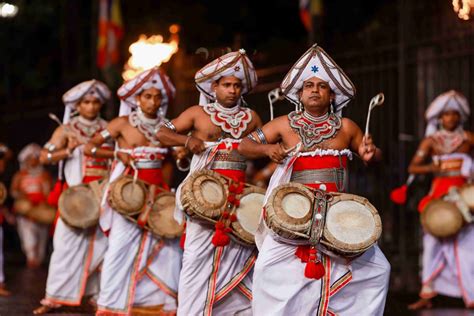
Tourism and Economic Recovery
Sri Lanka’s tourism sector was significantly impacted by the COVID-19 pandemic and the subsequent economic crisis. Tourism, which is one of the largest contributors to the country’s GDP, saw a sharp decline in 2020 and 2021 due to global travel restrictions. However, as the global situation improved and travel restrictions eased, Sri Lanka’s tourism industry began to show signs of recovery. The introduction of a free visa policy is one of several measures aimed at ensuring that this recovery is both sustainable and long-lasting.
The government’s rationale behind the visa policy expansion is clear: by offering visa-free access to a broader range of countries, Sri Lanka can position itself as a more accessible and attractive destination for tourists worldwide. In turn, this will stimulate various sectors of the economy, from retail to services, and help create new job opportunities for the local population.
Long-Term Outlook and Expected Benefits
While the short-term financial loss from the removal of visa fees may be a concern, the long-term outlook for Sri Lanka’s tourism industry remains positive. According to the Sri Lankan government, the expected surge in tourism will lead to an increase in direct and indirect spending. This includes spending on hotels, tours, souvenirs, dining, and cultural experiences, all of which support local businesses and the wider economy.
The government’s vision for the future of tourism in Sri Lanka includes not only increased visitor numbers but also an emphasis on high-quality tourism. This could include eco-tourism, adventure tourism, wellness tourism, and cultural tourism, all of which can appeal to high-spending tourists from international markets. By targeting a wide range of tourists from different countries, Sri Lanka aims to diversify its tourism offerings and reduce its reliance on any one market.
Conclusion
Sri Lanka’s decision to extend its free visa policy to 40 countries represents a bold and strategic step toward revitalizing its tourism sector. By welcoming tourists from a diverse array of countries, the government hopes to stimulate economic growth, create jobs, and promote long-term sustainability in the tourism industry. Despite the potential short-term loss of revenue from visa fees, the overall benefits to the economy are expected to far outweigh the initial sacrifice. With the global tourism industry on the rebound, Sri Lanka is well-positioned to capture a larger share of the market, attracting visitors from key regions such as the U.K., U.S., Canada, Australia, and more.