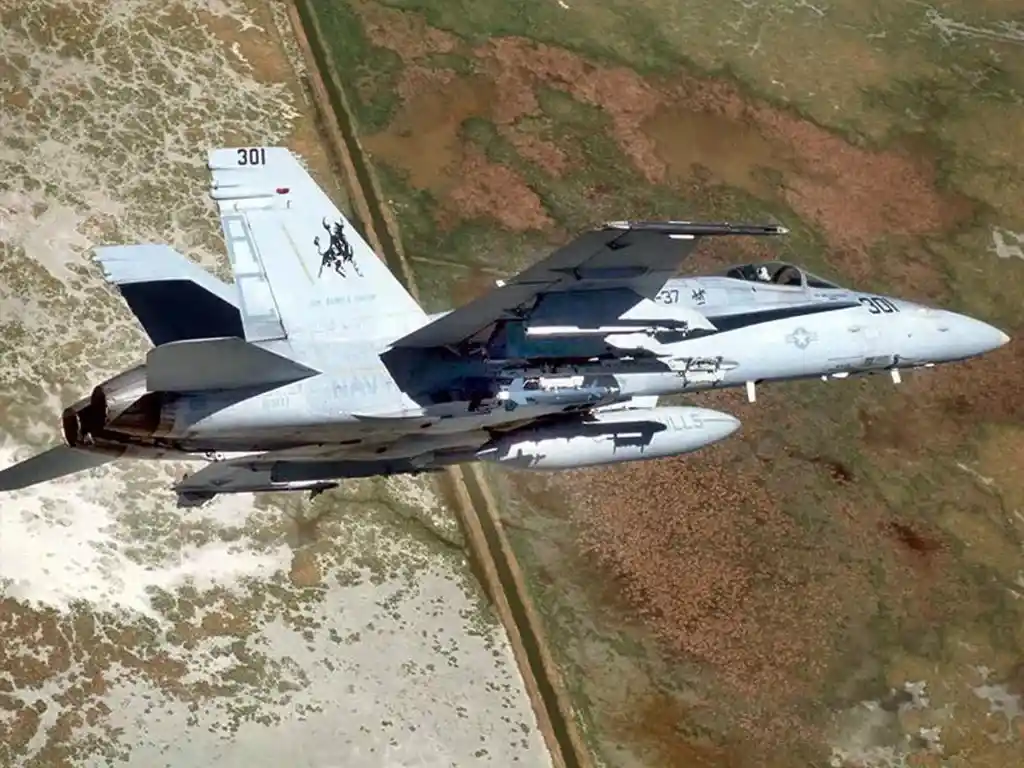
Overview of Malaysia’s F/A-18D Operations
Since 1997, Malaysia has operated a fleet of eight F/A-18D Hornets, serving as a key component of its air force. However, these aircraft face operational and maintenance constraints that limit their combat readiness. In response, Malaysia is pursuing the acquisition of second-hand F/A-18s from Kuwait, aiming to strengthen its air defense capabilities while navigating financial and geopolitical challenges.
Challenges of the Existing F/A-18D Fleet
Operational Limitations
Malaysia’s F/A-18Ds are hindered by several factors that reduce their effectiveness in modern combat scenarios:
- Software Restrictions: The Royal Malaysian Air Force (RMAF) has not been provided with the source code for the aircraft’s software, preventing independent upgrades and limiting the integration of new weapon systems.
- Ammunition Dependency: Malaysia requires U.S. approval to procure compatible missiles and munitions, restricting its ability to sustain wartime operations without external authorization.
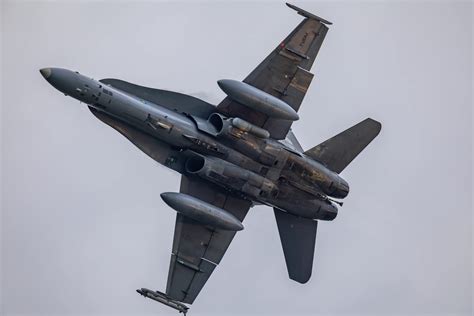
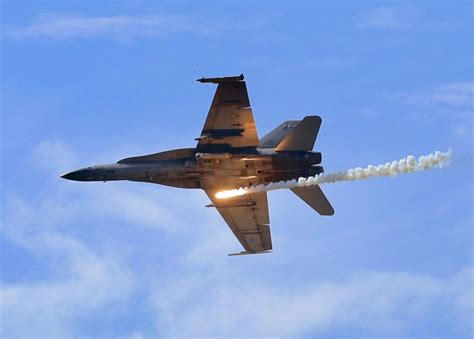
- Limited Combat Role: Due to these constraints, some of Malaysia’s F/A-18Ds are primarily used for aerobatic displays rather than frontline defense.
Maintenance and Sustainability Issues
Although Malaysia has developed in-house maintenance capabilities for its Su-30MKM fighters since 2003, the F/A-18Ds remain costly to maintain due to reliance on foreign technical support and spare parts. The high logistics costs and aging airframes further strain the fleet’s long-term viability.
Malaysia’s Plan to Acquire Kuwait’s F/A-18C/D Fleet
Details of the Procurement
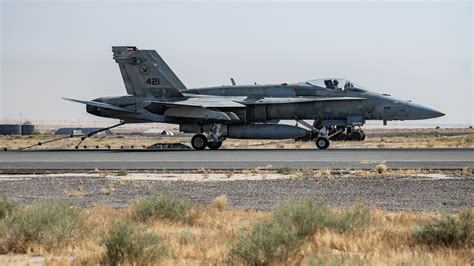
To address its fighter jet shortage, Malaysia has turned to Kuwait’s retiring fleet of F/A-18C/Ds. Kuwait is replacing its 33 aging Hornets (comprising 26 single-seat F/A-18Cs and 7 two-seat F/A-18Ds) with F/A-18E/F Super Hornets and Eurofighter Typhoons. Malaysia aims to acquire 24 to 33 of these aircraft, effectively expanding its F/A-18 fleet to approximately 40 units.
Assessment of Kuwait’s F/A-18s
- Low Flight Hours: In June 2024, Malaysian technical experts evaluated Kuwait’s F/A-18C/Ds, concluding that they have relatively low operational hours, extending their usability.
- Modernized Systems: The aircraft have undergone avionics and systems upgrades, improving combat capability and interoperability.
- Favorable Purchase Cost: Acquiring pre-owned fighters offers a cost-effective solution compared to buying brand-new 4.5-generation or fifth-generation fighters.
U.S. Approval and Strategic Implications
Since the F/A-18 incorporates U.S. military technology, the purchase requires Washington’s approval. Malaysia and the U.S. have formed a special committee to facilitate the transaction, with a deal expected by 2025. This acquisition aligns with Malaysia’s defense strategy while reinforcing ties with Western military partners.
Economic Considerations and the Case for Second-Hand Fighters
Budgetary Constraints
Malaysia has explored alternatives such as the Dassault Rafale and Eurofighter Typhoon, but their high price tags—approximately $240 million per Rafale—made them financially unfeasible. As a result, acquiring second-hand F/A-18C/Ds presents a practical solution within the country’s budget limitations.
Transitional Role of the F/A-18s
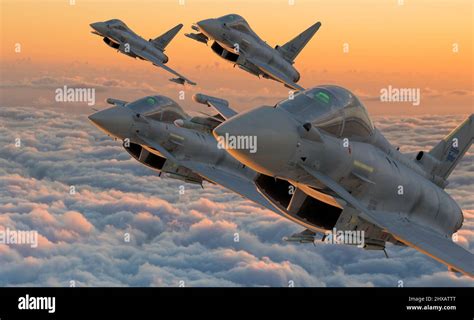
Malaysia views the F/A-18C/D acquisition as a temporary measure until its Multi-Role Combat Aircraft (MRCA) program introduces a new generation of fighters, expected by 2035. The transition will ensure the RMAF maintains operational capability without overextending its budget.
Regional Security and Strategic Impact
Strengthening Air Power for South China Sea Defense
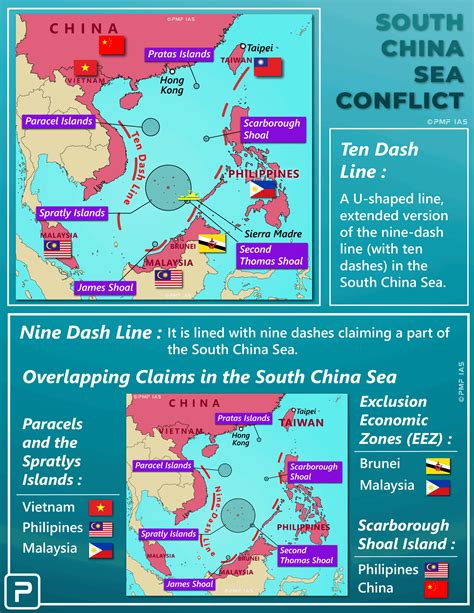
With rising territorial disputes in the South China Sea, Malaysia sees an expanded F/A-18 fleet as a means to reinforce its defensive posture. The interoperability of the F/A-18Ds with Western military networks—including Link-16 data-sharing systems—enhances joint operations with allied forces.
Diversified Fleet Composition
Despite expanding its U.S.-made fleet, Malaysia is maintaining a mixed arsenal:
- Sukhoi Su-30MKM: The RMAF retains 18 Su-30MKMs as its primary heavy fighter.
- KAI FA-50: The acquisition of Korean FA-50 light combat aircraft complements the F/A-18Ds, creating a high-low mix of capabilities.
- Future MRCA Plans: Beyond 2035, Malaysia intends to procure next-generation multi-role fighters to replace older aircraft.
Potential Risks and Challenges
Compatibility and Upgrade Costs
While Kuwait’s F/A-18C/Ds are in good condition, they may require additional modernization to integrate with Malaysia’s existing systems. This could lead to higher costs in avionics, radar, and weapons upgrades.
Geopolitical Considerations
The deal’s success hinges on U.S. approval and potential restrictions. If Washington imposes operational limits, such as banning deployments in disputed areas, Malaysia’s strategic flexibility could be compromised.
Conclusion
Malaysia’s F/A-18D Hornets remain a vital asset, but operational challenges have led to the pursuit of additional aircraft from Kuwait. The second-hand purchase provides a cost-effective solution to boost air power while balancing budget constraints and regional security needs. However, the final outcome depends on U.S. regulatory approvals and the successful integration of these aircraft into the RMAF’s evolving fleet structure.
Frequently Asked Questions (FAQ)
1. Why is Malaysia buying second-hand F/A-18s instead of new jets?
Malaysia faces budgetary constraints that make purchasing brand-new fighters like the Rafale or Typhoon impractical. The Kuwaiti F/A-18C/Ds offer a cost-effective alternative with modern upgrades and relatively low flight hours.
2. Will the second-hand F/A-18s require upgrades?
Yes, while the Kuwaiti F/A-18C/Ds are in good condition, they might need avionics upgrades, software improvements, and weapons integration to align with Malaysia’s operational requirements.
3. What are the geopolitical risks of acquiring U.S.-made fighters?
Since the F/A-18 contains American technology, the purchase requires U.S. approval. There is a risk that Washington may impose operational restrictions, particularly concerning deployment in disputed regions like the South China Sea.