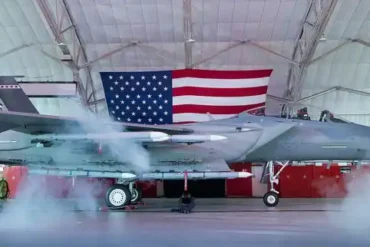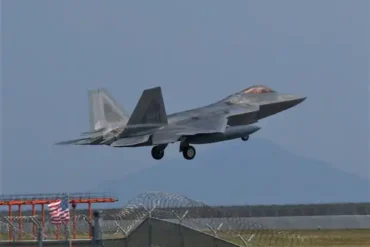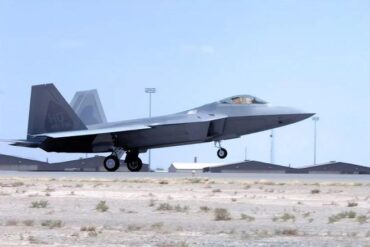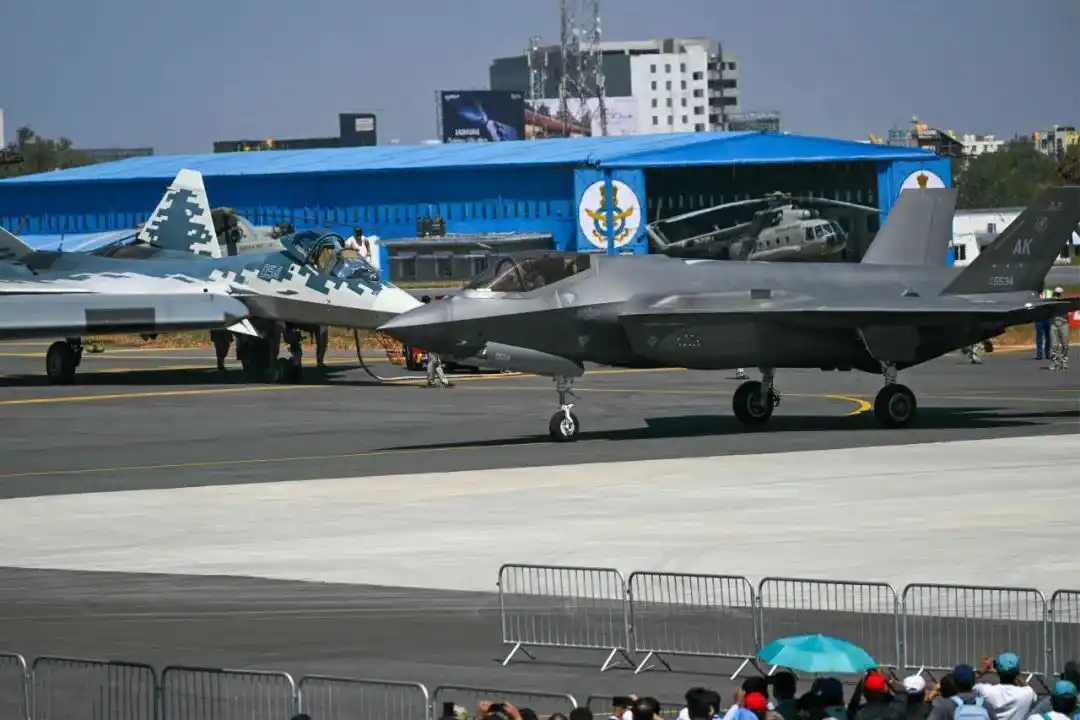
The potential procurement of the F-35 fighter jet by India has emerged as a crucial topic in global defense circles. The Lockheed Martin F-35 Lightning II, known for its advanced stealth capabilities and next-generation avionics, represents a major leap in air combat technology. However, India faces strategic, diplomatic, and technical challenges in integrating the F-35 into its air force. This article explores the geopolitical backdrop, India’s defense priorities, technical concerns, and the implications of such an acquisition.
U.S. Political Push and Recent Developments
Trump’s Endorsement and Diplomatic Maneuvering
In February 2025, former U.S. President Donald Trump publicly stated his intention to significantly increase arms sales to India. For the first time, he explicitly proposed offering the F-35 to India, marking a strategic shift in U.S.-India defense relations. This proposal aligns with Washington’s broader efforts to counter Russian influence in India’s arms market while strengthening India’s military posture against China.
However, India’s External Affairs Minister quickly clarified that the F-35 deal remains in the “proposal stage” and has not yet entered formal negotiations. This highlights the delicate balancing act India must maintain between the U.S. and Russia while keeping its defense autonomy intact.

India’s Strategic Dilemma: Balancing Allies and Autonomy
Dependency on Russian Military Hardware
India has historically relied on Russian defense equipment, including Su-30MKI fighter jets and the S-400 missile defense system. The United States has made it clear that a reduction in military cooperation with Russia would be a prerequisite for acquiring the F-35. However, shifting entirely away from Russian weaponry could jeopardize India’s existing defense infrastructure and complicate logistical support for its air force.
Impact on India’s Indigenous AMCA Project
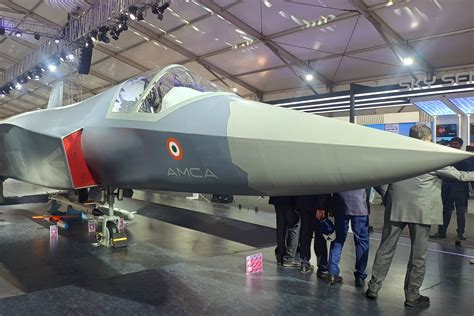
The Advanced Medium Combat Aircraft (AMCA) is India’s ambitious fifth-generation fighter jet program. If India chooses to purchase the F-35, it could divert critical resources from AMCA’s research, development, and production, slowing down the progress of an indigenous stealth fighter. This would contradict India’s ‘Make in India’ initiative, which aims to strengthen domestic defense manufacturing.
Technical Concerns and Security Risks
Remote Control Controversy and Data Security
In March 2025, reports surfaced regarding the F-35’s embedded remote override systems, which could theoretically allow the U.S. to control or disable the aircraft remotely. This revelation raised serious concerns among Indian defense analysts regarding operational independence and data security.
High Maintenance Costs and Operational Challenges
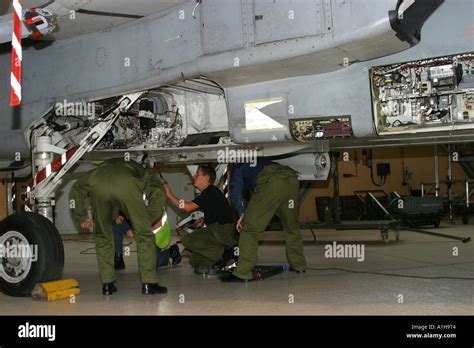
Another significant drawback of the F-35 is its extensive maintenance requirements. The jet demands specialized infrastructure, frequent software updates, and highly controlled logistics networks, which could strain India’s defense budget. Furthermore, India’s state-run Hindustan Aeronautics Limited (HAL) has a mixed record in aircraft maintenance, leading to fears that operational readiness may be compromised.
Geopolitical Competition and Alternative Options
Russia’s Counteroffer: Su-57 and Su-75
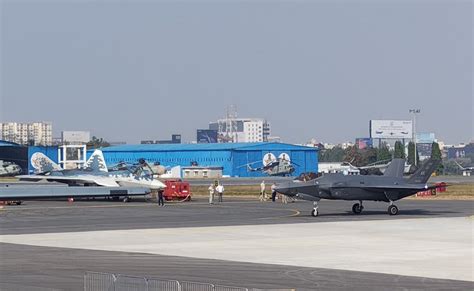
As the F-35 proposal gains traction, Russia has intensified efforts to market its Su-57 Felon and the upcoming Su-75 Checkmate stealth fighters to India. Russia has even proposed setting up a production line in India, similar to its past collaboration on Su-30MKI fighters. However, India remains skeptical about the Su-57’s combat effectiveness and whether the Su-75 will meet future battlefield requirements.
European Sixth-Generation Fighter Jet Programs
India is also exploring participation in advanced European next-generation fighter projects such as the Future Combat Air System (FCAS) (led by France and Germany) and the Global Combat Air Programme (GCAP) (a joint effort by the UK, Italy, and Japan). These initiatives offer potential long-term collaborations and could provide technology-sharing benefits that the F-35 program may not.
Future Outlook: What Lies Ahead?
Despite Washington’s strategic push, India appears reluctant to commit fully to the F-35 program due to the political conditions, technology concerns, and operational challenges associated with the aircraft. The most probable near-term path for India is to maintain a diversified military procurement strategy, relying on its fleet of Rafale fighters, Russian-origin aircraft, and indigenous developments.
In the coming years, India is likely to:
- Continue Rafale acquisitions to strengthen its air superiority.
- Invest in AMCA development while simultaneously observing the performance and cost-effectiveness of F-35 competitors.
- Explore sixth-generation fighter jet partnerships with European allies.
FAQ
1. Why is India hesitant to buy the F-35 despite its advanced capabilities?
India is cautious about the F-35 due to concerns over operational independence, potential U.S. restrictions, high maintenance costs, and the impact on its indigenous AMCA program. Additionally, its long-standing military partnership with Russia adds another layer of complexity.
2. What alternatives does India have if it does not purchase the F-35?
India is evaluating options such as additional Rafale fighters, Russian Su-57 and Su-75 jets, and participation in the European sixth-generation fighter programs (FCAS and GCAP). These alternatives could provide better cost-effectiveness and strategic autonomy.
3. How does the U.S. benefit from offering the F-35 to India?
The U.S. aims to strengthen military ties with India, counter Russian influence, and create interoperability between Indian and American forces in the Indo-Pacific region. A successful F-35 deal would further cement India’s alignment with Western defense technology.