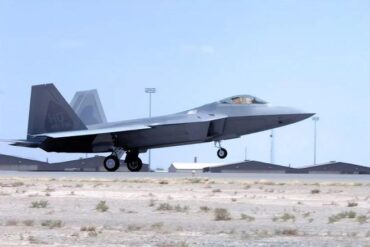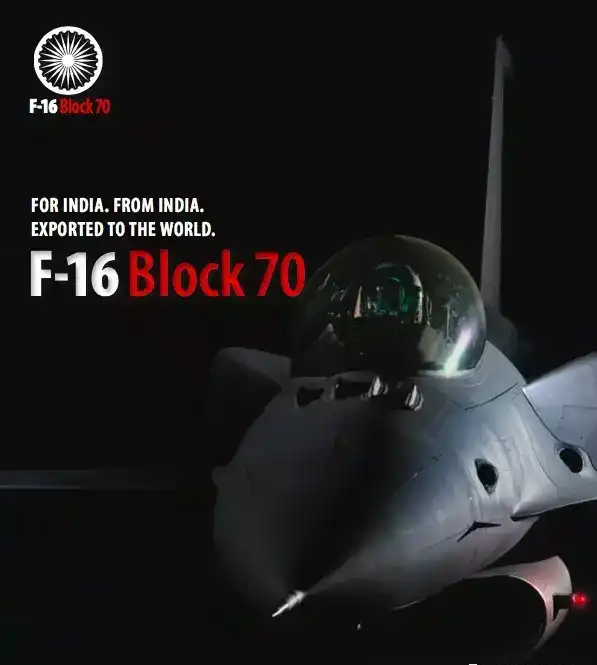
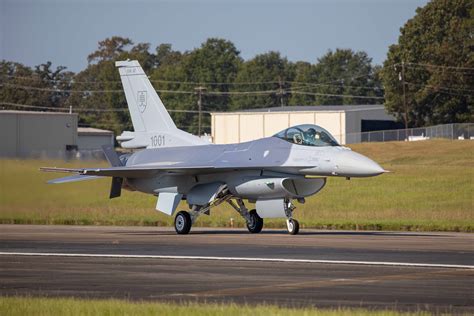
The Lockheed Martin F-16 Fighting Falcon, a proven multi-role fighter, has been at the center of discussions between the United States and India since 2016. As part of Prime Minister Narendra Modi’s ambitious “Make in India” initiative, Lockheed Martin proposed shifting the F-16 production line to India in collaboration with the Tata Group. This move could significantly bolster India’s defense manufacturing sector while meeting the Indian Air Force’s (IAF) urgent need to modernize its aging fleet.
Background of the F-16 India Partnership
Production Line Transfer and Technology Cooperation
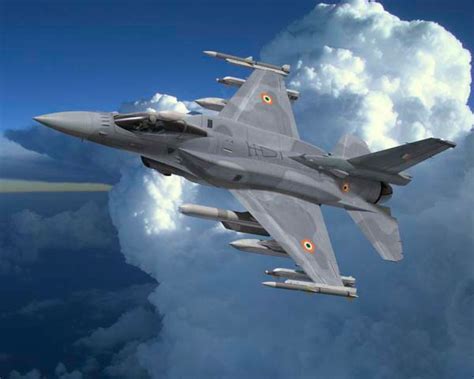
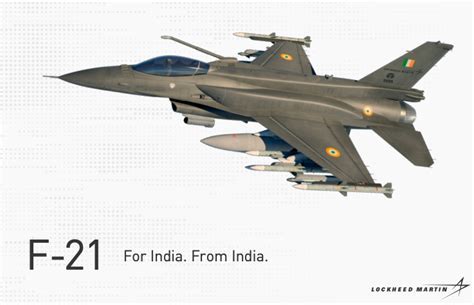
Since 2016, Lockheed Martin has pursued a partnership with India to establish an advanced F-16 Block 70/72 production facility. Later rebranded as the F-21, this initiative aligns with India’s long-term strategy to develop domestic aerospace capabilities through technology transfer. Initially, the first locally manufactured F-16 was expected to roll out between 2019 and 2020. However, delays in the procurement process and protracted negotiations have stalled progress.
India’s Urgent Fighter Jet Needs
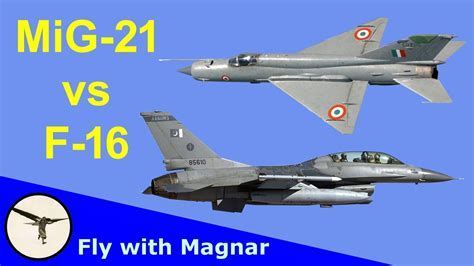
The Indian Air Force (IAF) faces a critical shortage of fighter jets, with nearly one-third of its fleet, predominantly Soviet-era MiG-21s, serving for over 40 years. While India has acquired 36 Dassault Rafale fighters from France, this number is insufficient to counterbalance the growing air power of China and Pakistan. The F-16/F-21 is seen as a cost-effective stopgap solution to maintain operational strength until next-generation indigenous fighter programs, like the Advanced Medium Combat Aircraft (AMCA), reach maturity.
Upgrades and Customization for India
F-21: A Tailored Version of the F-16 Block 70
Lockheed Martin has proposed an advanced variant of the F-16, designated F-21, to meet India’s operational needs. This aircraft incorporates several enhancements, including:
- AN/APG-83 AESA Radar – Providing superior target tracking and electronic warfare capabilities.
- Conformal Fuel Tanks – Extending combat radius without external drop tanks.
- F-35 Derived Cockpit Interface – Enhancing pilot situational awareness.
- Network-Centric Warfare Capabilities – Enabling real-time data sharing and coordination with unmanned aerial vehicles (UAVs).
- Russian-Compatible Aerial Refueling System – Allowing seamless integration with India’s existing refueling infrastructure.
Supply Chain and Production Advantages
If the deal proceeds, India would become the sole global production hub for the F-16, overseeing spare parts manufacturing and potential future upgrades. This strategic position could even affect Pakistan’s F-16 fleet, which depends on U.S.-controlled logistics. India’s potential monopoly over F-16 components could limit Islamabad’s access to maintenance and upgrades, reshaping regional power dynamics.
Strategic and Economic Considerations
U.S. Objectives in the F-16 India Deal
The U.S. sees multiple benefits in offering the F-16 to India:
- Extending the Lifecycle of the F-16 – Keeping the aircraft relevant in the global market while transitioning to newer platforms like the F-35.
- Economic Gains – Utilizing India’s low-cost manufacturing capabilities to boost profit margins.
- Strengthening Indo-U.S. Defense Ties – Reducing India’s reliance on Russian military hardware and integrating it further into the Indo-Pacific strategic framework.
India’s Strategic Goals
From India’s perspective, the F-16/F-21 deal serves multiple objectives:
- Enhancing Defense Industrial Self-Reliance – By participating in F-16 production, India could accelerate its indigenous fighter programs.
- Diversifying Defense Partnerships – Creating competition between U.S.-backed Tata Group and Russia-backed Hindustan Aeronautics Limited (HAL), reducing dependency on a single supplier.
- Accelerating Fifth-Generation Fighter Development – By leveraging Lockheed Martin’s expertise, India could expedite its AMCA project, envisioned as India’s answer to stealth-capable fighters.
Challenges and Controversies
Domestic Resistance to the F-16 Purchase
The F-16 deal has faced opposition within India, particularly from the defense community and policymakers who argue that:
- The F-16 is an aging platform, lagging behind modern 4.5th and 5th generation fighters.
- Acquiring the F-16/F-21 could undermine India’s investment in the HAL Tejas Light Combat Aircraft (LCA).
- The U.S. continues to supply Pakistan with F-16 upgrades, raising security concerns for India.
Compatibility and Cost Concerns
Integrating the F-16 into India’s predominantly Russian-equipped air force would require extensive logistical adjustments, including:
- Infrastructure modifications for maintenance, training, and support systems.
- Significant financial investment to maintain a mixed fleet.
- Doubts over technology transfer depth, as India might only receive assembly-line capabilities rather than core avionics and engine technology.
Future Outlook
The 2025 Fighter Jet Procurement Plan
India is expected to launch a 114-unit Multi-Role Fighter Aircraft (MRFA) competition by 2025, where the F-21 will compete against:
- Saab Gripen E/F (Sweden)
- Dassault Rafale (France)
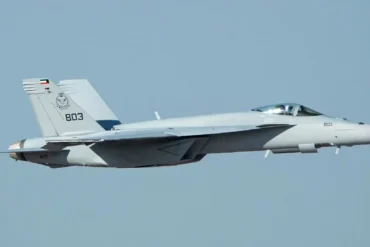
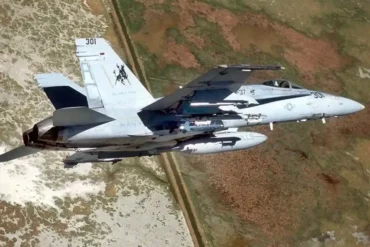
- Boeing F/A-18 Super Hornet (U.S.)
- Eurofighter Typhoon (EU Consortium)
Lockheed Martin must demonstrate the F-21’s superior cost-effectiveness and operational value to secure this lucrative contract.
Impact on Regional Military Balance
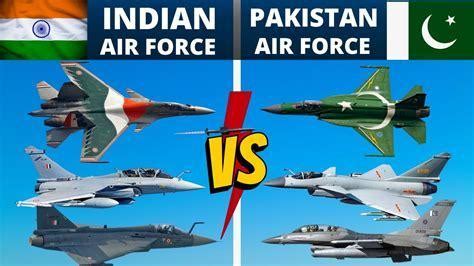
If India secures the F-16/F-21, it could force Pakistan to accelerate purchases of JF-17 Block 3 or Chengdu J-10CE from China. This development could further intensify the South Asian arms race, potentially leading to a strategic shift in aerial combat capabilities between the two nuclear-armed neighbors.
Conclusion
The F-16/F-21 partnership between the United States and India presents both opportunities and challenges. While the project could enhance India’s aerospace industry and defense capabilities, concerns over technological depth, logistical complexity, and geopolitical implications remain. India’s final decision will hinge on balancing indigenous defense ambitions with regional security dynamics and cost-benefit analyses.
FAQ
1. Why is India considering the F-16 despite already acquiring the Rafale?
The Dassault Rafale is a more advanced fighter, but India only procured 36 units, which is insufficient to meet the IAF’s operational demands. The F-16/F-21 serves as a cost-effective, multi-role fighter to bridge the gap until future indigenous projects like AMCA become viable.
2. Will India receive full technology transfer for the F-21?
While Lockheed Martin has promised some level of technology transfer, India is unlikely to gain full access to critical avionics, radar, or engine technology. Most production will involve assembly rather than deep manufacturing capabilities.
3. How would an Indian F-16 affect Pakistan’s Air Force?
If India becomes the sole global hub for F-16 production and spare parts, it could impact Pakistan’s F-16 maintenance. This might push Islamabad to accelerate Chinese fighter acquisitions like the JF-17 Block 3 and J-10CE to counterbalance India’s air superiority.