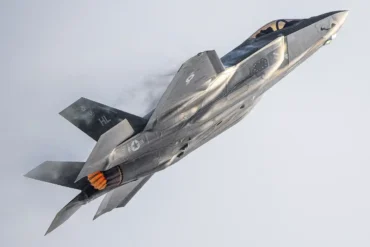
The F-16 Fighting Falcon, a multi-role fighter aircraft, has been an integral part of military operations across the globe. In Yemen, this aircraft has been involved in high-stakes confrontations, particularly involving the Houthis (Ansar Allah). Over the years, incidents such as the 2025 failed missile attack on a U.S. F-16 and the 2015 Moroccan F-16 shootdown have underscored the evolving threats in the region. The Houthis’ increasing military capability, fueled by external support, has posed a persistent challenge to air operations over Yemen and the Red Sea.
2025: Houthi Missile Attack on a U.S. F-16
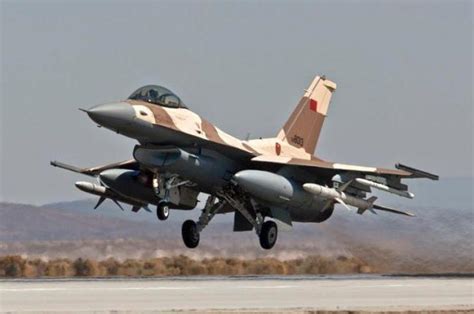
On February 19, 2025, the Houthis launched a missile attack targeting a U.S. Air Force F-16 conducting operations over the Red Sea. The missile failed to hit its mark, but the incident highlighted the Houthis’ ongoing ability to engage aerial targets.
Strategic Context of the 2025 Incident
The Red Sea region has been a flashpoint for military tensions, with U.S. forces conducting aerial and naval operations to ensure freedom of navigation and counter Houthi threats. The attempted attack on the F-16 demonstrates the Houthis’ capability to challenge U.S. air superiority in the region. On the same day, a Houthi missile was also fired at a U.S. MQ-9 Reaper drone, further proving their persistent anti-aircraft ambitions.
Implications for U.S. Military Operations
- Increased Threat to U.S. Aircraft: The failed attack indicates that Houthi forces possess operational air-defense systems capable of engaging fast-moving fighter jets.
- Continued Iranian Support: The attack suggests ongoing Iranian military assistance, as many of the Houthis’ missile capabilities are suspected to originate from Tehran.
- Risk to Regional Stability: Such incidents add to broader geopolitical tensions, particularly affecting U.S. allies like Saudi Arabia and the UAE.
2015: Moroccan F-16 Shot Down Over Yemen
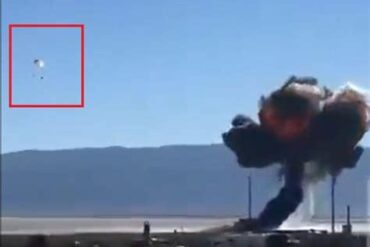
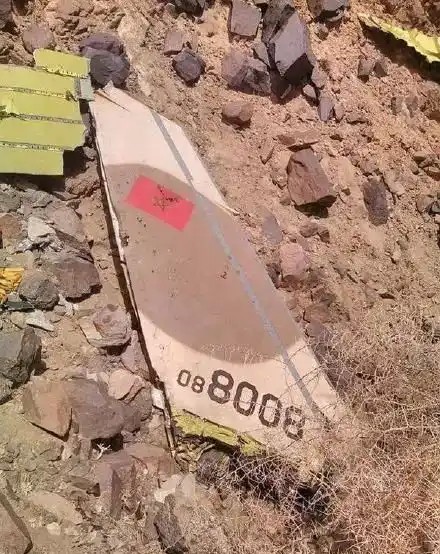
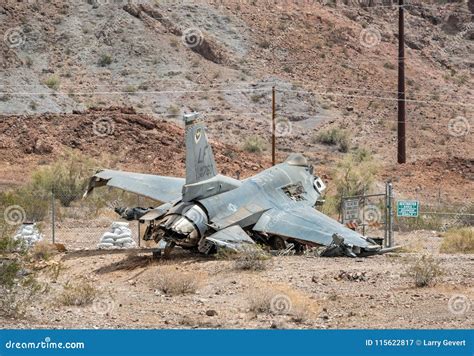
In May 2015, a Moroccan Royal Air Force F-16 participating in an Arab Coalition operation over Yemen was shot down by pro-Houthi tribal fighters. The pilot was killed, and the aircraft’s wreckage was later displayed on Houthi-affiliated media.
How the Aircraft Was Downed
The Moroccan F-16 was conducting strikes in Saada Province, a known Houthi stronghold. While the exact weapon used remains unclear, the Houthis have historically utilized:
- Surface-to-air missiles (SAMs)
- Shoulder-fired anti-aircraft weapons (MANPADS)
- Heavy-caliber anti-aircraft artillery
Following the incident, Houthi forces claimed responsibility, stating that “the plane was brought down by divine intervention”, emphasizing their ideological stance in the conflict.
Impact on the Arab Coalition
- Vulnerability of Air Assets: The shootdown exposed the risk even advanced fighters like the F-16 face in asymmetric conflicts.
- Morale and Strategic Calculations: The loss of the aircraft was a psychological blow to the Arab coalition, leading to revised operational tactics.
- Houthi Propaganda Victory: Displaying the wreckage allowed the Houthis to claim a symbolic triumph against superior forces.
Houthis’ Military Capabilities and External Support
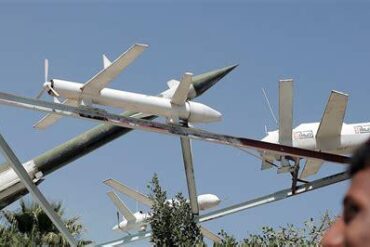
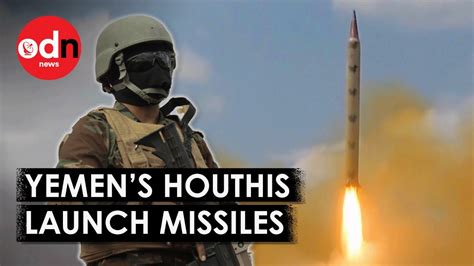
Since capturing Sanaa in 2014, the Houthis have significantly upgraded their military capabilities. Their arsenal includes:
Air Defense Systems
- Modified Soviet-era SAMs
- Iranian-designed Sayyad and 358 missiles
- Repurposed Yemeni military stockpiles
Ground and Naval Strike Capabilities
- Ballistic and cruise missiles (e.g., Quds-1, Burkan series)
- Drones for reconnaissance and attack (e.g., Samad-3)
- Naval mines and drone boats (used to threaten Red Sea shipping)
Iran’s Role in Strengthening the Houthis
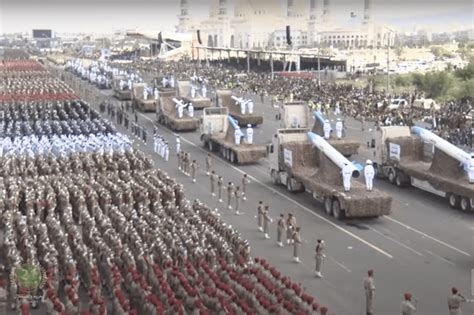
Reports indicate that Iran has supplied the Houthis with 185 tons of weapons and military equipment, including missile components and oil shipments to fund operations. This external backing has enhanced the Houthis’ ability to challenge regional and Western military forces.
The Strategic Impact of F-16 Engagements in Yemen
1. Evolving Air Warfare in the Middle East
The F-16’s presence in Yemen illustrates the challenges modern air forces face against unconventional adversaries. Despite its advanced radar and countermeasure systems, the aircraft remains vulnerable to determined, well-equipped insurgent forces.
2. Red Sea Security Threats
The Red Sea is a critical global trade route, and Houthi missile capabilities directly threaten international shipping and military movements. Attacks on F-16s and drones signal an increasing risk to stability in the area.
3. The Future of U.S. and Allied Air Operations
With repeated missile attacks against manned and unmanned aircraft, the U.S. and its allies may adapt by:
- Deploying more electronic warfare and missile defense systems.
- Relying on stealth aircraft to minimize detection risks.
- Increasing air-to-ground surveillance to preempt missile launches.

Conclusion
The involvement of F-16 fighter jets in Yemen’s conflict highlights the changing nature of aerial warfare. From the 2015 Moroccan F-16 shootdown to the 2025 Houthi missile attack on a U.S. F-16, these incidents reflect a growing asymmetric threat posed by non-state actors.
With Iranian military assistance, the Houthis have developed into a formidable adversary, capable of engaging advanced warplanes and threatening regional stability. As military confrontations in the Red Sea and Yemen persist, the necessity for adaptive strategies and enhanced air defense measures becomes ever more critical.
FAQ
1. How was the Moroccan F-16 shot down in 2015?
The Moroccan F-16 was downed by Houthi-affiliated tribal forces using a surface-to-air missile or heavy anti-aircraft weaponry while conducting operations over Saada Province.
2. What does the 2025 Houthi attack on a U.S. F-16 signify?
The failed missile attack on a U.S. F-16 over the Red Sea highlights the Houthis’ growing air-defense capabilities and the continued regional threats posed by their Iran-backed military expansion.
3. What role does Iran play in supporting Houthi military capabilities?
Iran has supplied weapons, training, and financial support to the Houthis, including missile systems, drones, and radar technology, enhancing their ability to engage air and naval targets in Yemen and the Red Sea.